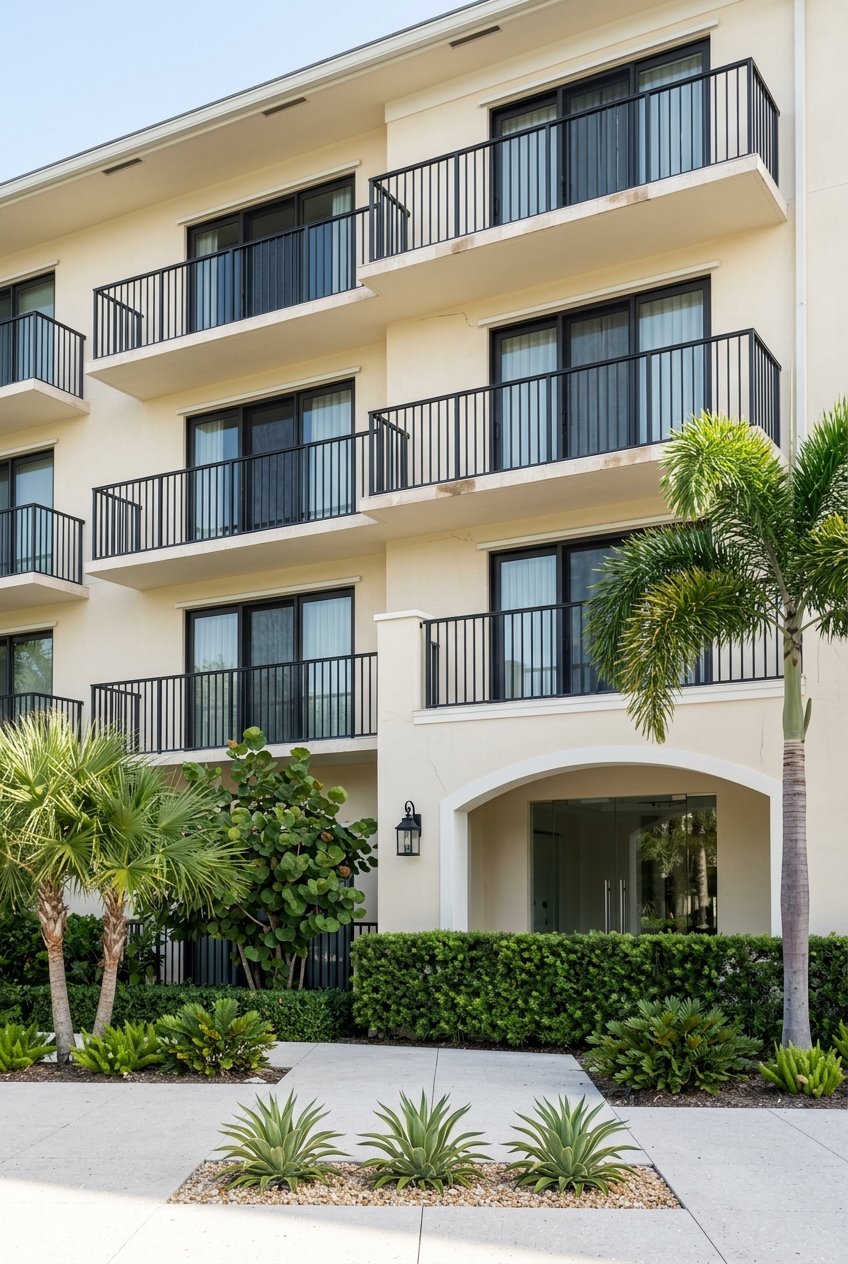
"Keep the Mirasol Residential."
That was the sign language on Davis Islands this January, printed on yard signs that showed up around the neighborhood ahead of a City Council hearing that ran nearly five and a half hours and drew more than 100 speakers. By the time Tampa City Council voted 5-2 in the early morning hours of January 15 to deny a rezoning request for the building, the signs had done their job. The Mirasol stays zoned residential. It stays an apartment building.
If you read the headlines and stopped there, you'd think the story was over: neighbors organized, the council listened, the historic building on Davis Boulevard is safe. That's the tidy version. It's also not quite what happened. The vote didn't decide whether the Mirasol gets preserved. It decided that a hotel conversion, specifically the one on the table that night, wasn't the mechanism Tampa would use to try. The underlying problem that brought the owners to City Council in the first place is still sitting there, unresolved, in a building that turns 100 years old this year.
What the Mirasol actually is
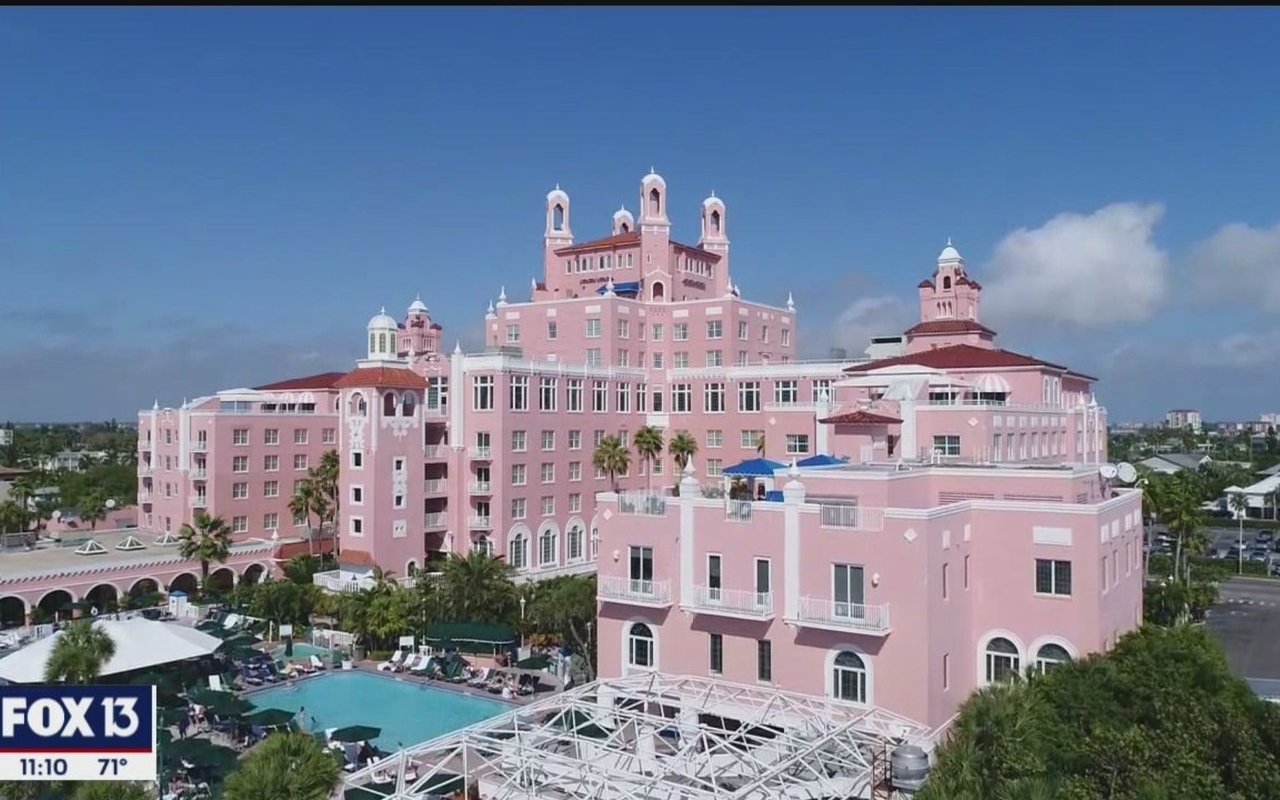
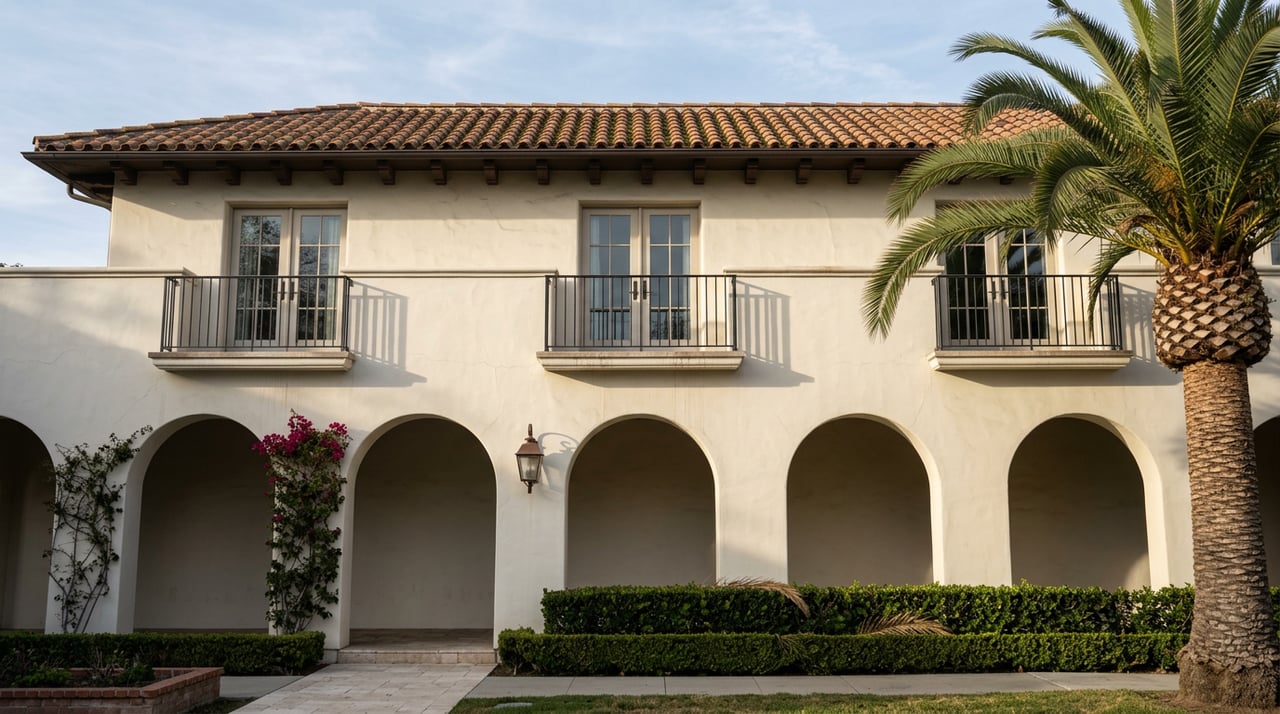
The building at 84 Davis Blvd. opened in April 1926 as a hotel, designed by Miami architect Martin Hampton with Tampa architect Franklin O. Adams, at a construction cost of $750,000, close to $14 million in today's dollars. It had a large lobby, a restaurant in its southern tower, a rooftop garden, and a small private marina. During World War II it filled with servicemen training at MacDill and Drew fields. The restaurant reopened to the public after the war and hosted a widely remembered Thanksgiving dinner in 1946, four courses for two dollars.
Somewhere along the way, like several of the other grand hotels built during the Davis Islands land boom, the Mirasol shifted from hotel to apartments. For more than six decades now, it has operated that way: 58 residential units on a waterfront lot that residents and historians alike have called the crown jewel of the island.
Frank and Lindsey Carriera, who live on Davis Islands with their children and pass the building daily, bought into the Mirasol along with a small group of investors. At the time of purchase, the building carried no local historic designation. Under the zoning that applied to it, it could legally have been demolished. That fact, not sentiment, is what the Carrieras say drove the purchase. They didn't want to see it torn down.
The proposal that split the island
What they brought to City Council was a plan to restore the Mirasol to something close to its original purpose. The request asked for a future land-use change and a rezoning to CMU-35, one of Tampa's more intensive mixed-use categories, which would have allowed the current 58 apartments to convert into as many as 116 hotel rooms, plus up to 12 condominium units, a restaurant, a coffee bar, and expanded parking.
Supporters framed it as the only path that made economic sense for a century-old structure with deferred maintenance. The building already has a small taste of hotel-style demand built in: eight units inside the apartment complex currently operate as short-term rentals under a seven-night minimum stay, and the owners say they regularly turn away guests. Much of that demand comes from families connected to Tampa General Hospital, whether for long-term medical stays, visiting relatives, or staff attending conferences and rotations.
Opponents saw something different: a change to the island's least dense zoning category, more traffic, more noise, and a building whose scale could grow well past what neighbors are used to on a residential lot. Some also raised a subtler worry. Changing the land use, they argued, could increase the property's market value and leave it more exposed to future redevelopment, not less, since the building still lacked historic protection either way.
Why the council said no
Here's the part that gets lost in a headline that just says "denied." Several council members were careful to say the vote wasn't a rejection of preservation itself. It was a rejection of the zoning vehicle. Council member Lynn Hurtak brought the motion to deny, and it passed 5-2. Council member Guido Maniscalco pointed to the Planning Commission's role in shaping the outcome during deliberations. The concern that came up repeatedly wasn't "should this building become a hotel." It was that CMU-35 is broad and flexible enough that it could permit development beyond what was actually presented at the hearing, hotel or not.
Two council members voted the other way. Council Chair Alan Clendenin and Council member Luis Viera both opposed the denial. Clendenin's remarks that night are worth sitting with. He acknowledged the economic pressure facing older buildings and said plainly that Tampa cannot function as a fully residential city. He also pointed to past examples of historic structures lost not to a wrecking ball but to years of neglect, when no financially viable path existed to sustain them. His phrase for that slow failure was demolition by attrition, rather than demolition by choice.
That warning is the hinge the whole story turns on.
What actually changed, and what didn't
| Status | Before January 15 | After January 15 |
|---|---|---|
| Zoning | Residential | Still residential |
| Use | 58 apartments | Still 58 apartments |
| Hotel conversion | Proposed, under review | No longer an approved option |
| Historic designation | None | Still none |
| Legal exposure to demolition | Existed under current zoning | Unchanged |
| Short-term rental demand from Tampa General Hospital families | Present, capped at 8 units | Present, unaffected by the vote |
| Funding path for structural repairs | Contested, tied to rezoning | Still unresolved |
Read that table straight through and the picture is less reassuring than "neighbors won." The vote didn't touch the two things that actually put the Mirasol at risk in the first place: it still has no historic protection, and nobody has identified a funded path to address the deferred maintenance the owners say the building carries. Denying the rezoning didn't remove either problem. It just removed the one proposal anyone had put forward to solve them.
What the Carrieras said after
Frank Carriera didn't describe the outcome as a resolution. He called the Mirasol's future uncertain, and said the need to protect and invest in the building doesn't disappear just because the rezoning did. The couple has said they remain committed to the property and to continued conversation with the city and their neighbors, including hosting an open house before the vote to walk residents through the plans directly.
Anyone who assumed this story ended in January should think again. The zoning question is closed for now. The building question, the one about who pays to fix a nearly century-old structure without a historic designation to lean on, is still open, and the people most affected by how it resolves are the ones already living a short walk from it.
Why this matters if you live here
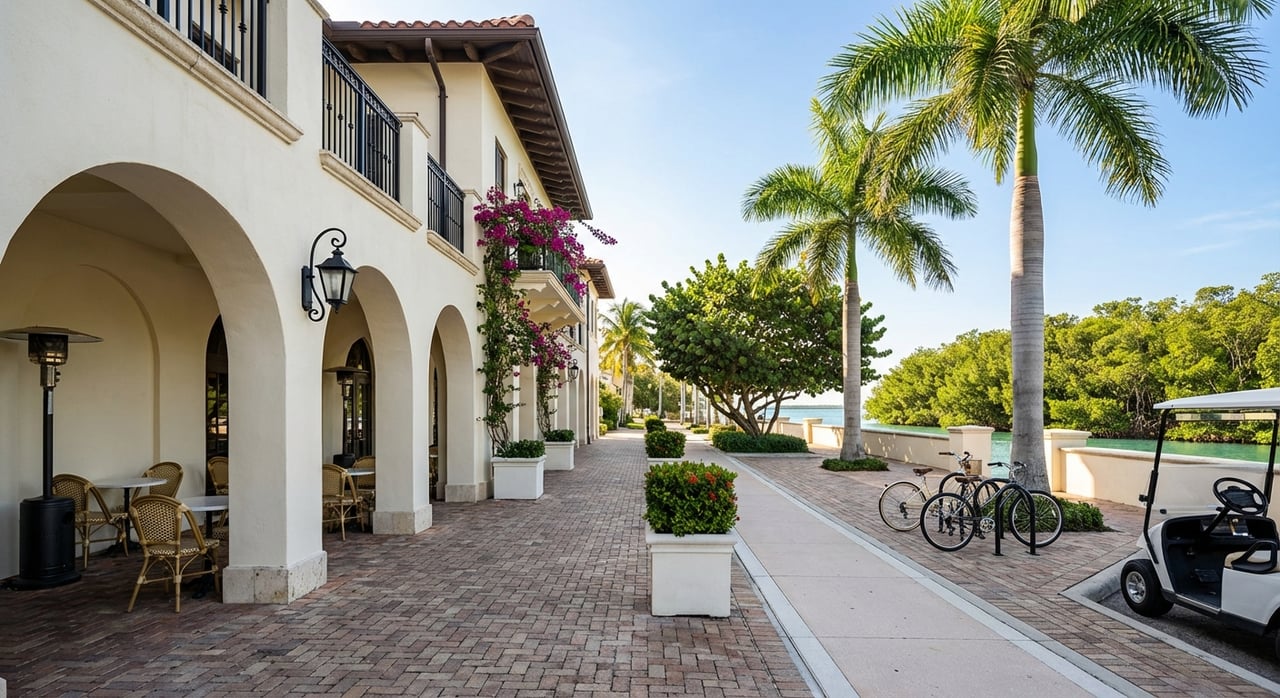
You don't need to have an opinion on hotels versus apartments to care about how this plays out. The Mirasol sits on Davis Boulevard, in the middle of the island's small commercial stretch, visible from the seawall path that gives Davis Islands its unobstructed view back toward downtown. Whatever happens to it next becomes part of the daily backdrop for everyone who walks that path, boats out of the yacht basin, or just drives past it on the way to Tampa General.
The council didn't preserve the Mirasol in January. It preserved the status quo, which is a different thing, and one that both the owners and Council Chair Clendenin warned might not hold indefinitely without a new plan. Keep an eye on what the Carrieras bring back to the table, and on whether a historic designation application, something the building has never had, ends up part of round two.
If you're curious about what's happening on Davis Islands or anywhere else across Tampa Bay, from the everyday texture of a neighborhood to what a listing near a landmark like the Mirasol might actually be worth, Jenny Sells The Block Tampa is always up for that conversation. Let's chat, find homes, or just talk through what's changing in the neighborhood you already call home.