Thinking about a home in New Port Richey and noticing “CDD” in the listing or on a tax bill sample? You are not alone. Community Development District fees can be confusing, especially in newer Pasco County neighborhoods with lots of amenities. In this simple guide, you will learn what CDDs are, how fees show up at closing and on your tax bill, how to estimate the monthly impact, and how to quickly verify whether a property has a CDD. Let’s dive in.
What is a CDD in Pasco County?
A Community Development District is a special-purpose unit of local government created under Florida law (Chapter 190, Florida Statutes). Its job is to plan, finance, build, operate, and maintain community infrastructure and amenities within a defined boundary. Think roads, stormwater systems, parks, clubhouses, and pools.
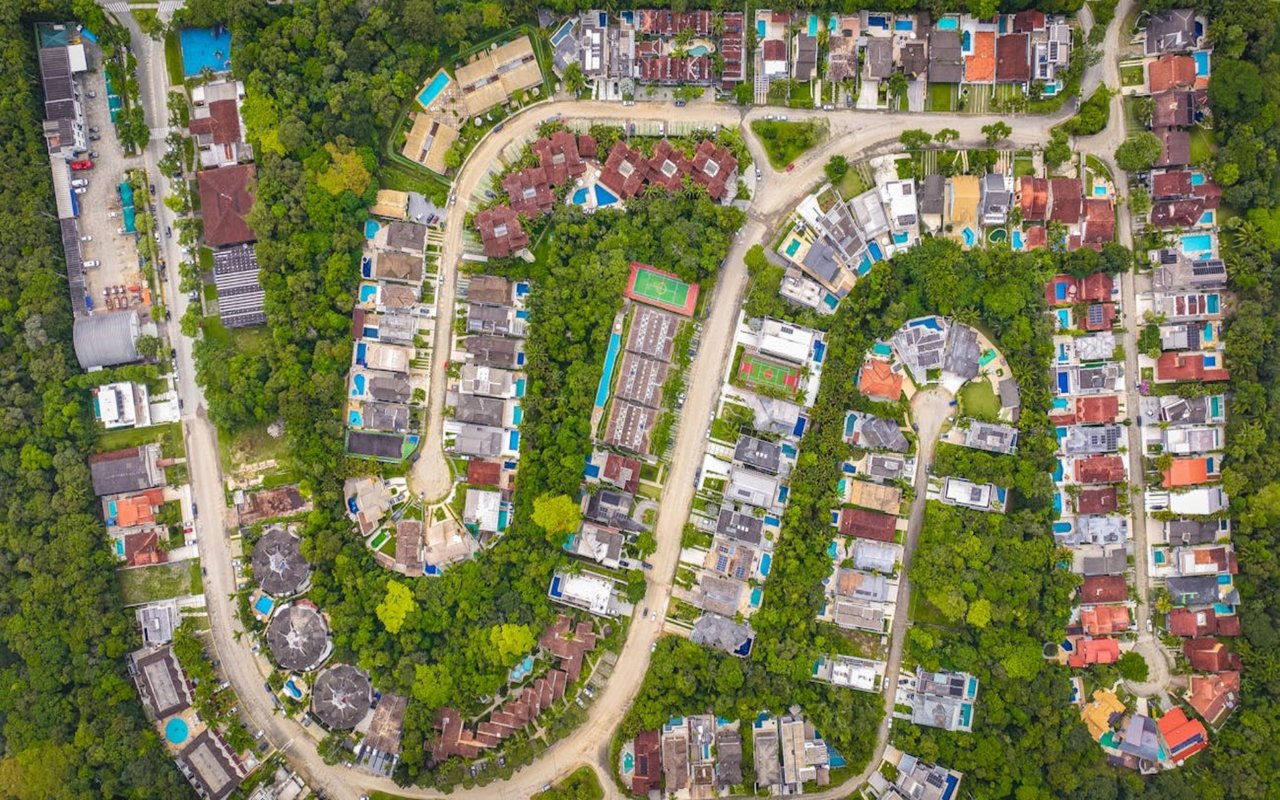
You will often find CDDs in master-planned communities or newer subdivisions around New Port Richey. The district is governed by a board of supervisors, has the authority to issue tax-exempt bonds, and can levy assessments against properties that benefit from the improvements.
Assessments you may pay
- Bonded assessments (capital): These repay bonds used to build the community’s infrastructure. They are typically charged annually and may last for the life of the bonds, often 20 to 30 years.
- Operations and Maintenance (O&M): These annual assessments cover ongoing expenses like landscaping, amenity upkeep, insurance, management, and utilities for common areas.
- Special or one-time assessments: Less common, but possible for unplanned costs or large repairs if approved by the district.
How information is made public
CDD budgets, assessment rolls, and notices are public records. You can usually find them through the district’s website, the Pasco County Clerk or County Administration, or the district’s management company. If you are evaluating a specific New Port Richey address, these documents help confirm the current O&M and bond amounts for that property.
Where CDD fees show up
Understanding where and how CDD charges appear helps you budget and avoid surprises.
On your closing documents
You may see items such as:
- “CDD assessment — prepaid by seller” or a seller credit if a developer or seller covered a portion of the current year.
- A proration entry that splits the annual assessment between buyer and seller based on the closing date.
- “CDD payoff” if a seller or developer has a payoff obligation associated with the district.
How these line items are handled depends on your contract, title company, and lender. On a Closing Disclosure, CDD entries often appear under adjustments or other charges, not as a recurring monthly item. Ask your title company to point out how the district’s assessments are treated in your specific file.
On your Pasco County tax bill
In Pasco County, CDD assessments commonly appear as separate non-ad valorem lines on the annual tax bill. You will often see the district name or an assessment label distinct from your ad valorem property taxes. The Pasco County Tax Collector is the office that collects both property taxes and non-ad valorem assessments, and the Property Appraiser’s parcel page usually shows whether a parcel has non-ad valorem charges and what they are.
Some districts allow prepayment or installment options based on county collection schedules and district policies. Always verify how your district bills and collects before you plan cash flow.
How to estimate your monthly CDD cost
To know your true monthly payment, fold the annual CDD amount into your housing budget. Here is a straightforward process you can use for any New Port Richey property.
Step-by-step method
- Confirm CDD status for the property. Check the listing remarks and fee sections, look up the address on the Pasco County Property Appraiser site, or ask the listing agent or title company.
- Identify the district name or ID. The tax bill or parcel record usually lists the district or shows an assessment label.
- Get the current assessment details. Use the district website, management company, the county clerk or administration, or the district’s annual assessment notice to pull the latest budget and assessment roll.
- Find two numbers: the annual O&M assessment and the annual bonded (debt) assessment for that property type.
- Add O&M plus bond to get the total annual CDD assessment. Divide by 12 for a monthly estimate.
- Add that monthly figure to your mortgage principal and interest, homeowner’s insurance, property taxes, and HOA dues if applicable. This gives you a more realistic monthly cost of ownership.
- Confirm billing and escrow details. Ask whether the lender will escrow for non-ad valorem assessments and whether any portion was prepaid or will be prorated at closing.
Typical ranges and examples
Amounts vary widely by district and amenity package. To set expectations, many Pasco communities with newer amenities fall into these illustrative ranges:
- Low-range example: O&M about $600 per year and bond about $1,200 per year. Total about $1,800 annually, or roughly $150 per month.
- Mid-range example: O&M about $900 per year and bond about $2,400 per year. Total about $3,300 annually, or roughly $275 per month.
- High-range example: O&M about $1,500 per year and bond about $4,800 per year. Total about $6,300 annually, or roughly $525 per month.
These figures are only examples to show how O&M and bond pieces add up. Always verify the exact O&M and bond amounts for the specific property through district or county records.
How CDDs can affect your closing
CDD assessments are typically annual charges. At closing, they are handled according to the contract and local practice. That treatment changes the cash you need on day one and what you will owe on the next tax bill.
- Developer or seller prepayment: Sometimes a developer covers part of the current year’s O&M or a buyer incentive. You might see a credit on the Closing Disclosure.
- Prorations: If you close partway through the assessment year, the annual amount may be prorated between buyer and seller.
- Buyer assumes next bill: In some cases, you will owe the full annual CDD on the next tax bill. Your closing may still show a proration based on ownership dates.
Tell your lender early that the property has a CDD. Lenders often ask for assessment documentation and may require escrow or reserves. Getting the district budget and assessment roll to underwriting helps keep your loan on track.
How to tell if a listing has a CDD
You can quickly screen listings in New Port Richey and confirm details before you write an offer.
- Listing details: Look for “CDD,” “Community Development District,” or “non-ad valorem assessment” in remarks or fee sections. Some listings display a separate annual CDD amount.
- Public records: Use the property address or parcel ID to search the Pasco County Property Appraiser. The parcel page typically shows non-ad valorem assessments, which indicate CDD charges if present.
- Ask the pros: The listing agent and the title company can confirm whether a CDD applies and point you to the district budget and assessment roll. Ask for the current year O&M and bond amounts for that property type.
Buyer and seller tips for New Port Richey
A little prep can make your decision and closing much smoother.
- Before you offer: Confirm whether a CDD applies and get the district name and current annual O&M and bond amounts. Use them to build your monthly budget.
- During the contract period: Ask your title company how the current year’s assessment will be handled. Clarify whether any part is prepaid, prorated, or due on the next tax bill.
- Talk to your lender early: Provide district assessment documents and ask whether your escrow will include the non-ad valorem CDD lines.
- Know what CDDs cover: CDDs fund infrastructure and shared amenities. They are not the same as HOAs, which enforce community rules and collect dues. Some communities have both.
- Understand potential changes: O&M assessments can change with the annual district budget. Bonded assessments follow the bond schedule, but additional assessments can occur if the district approves them.
- Tax questions: The tax treatment of CDD assessments varies by type and by taxpayer. If you have questions about deductibility, consult a qualified tax professional.
Avoid surprises at closing
Most frustrations come from unclear expectations around who pays what and when. Make a short checklist for any Pasco property you are serious about.
- Get the latest district budget and assessment roll. Verify the O&M and bond amounts by property type.
- Confirm current-year handling with title. Ask exactly how the Closing Disclosure will show CDD items and how proration is calculated.
- Review the tax bill format. Expect separate non-ad valorem lines labeled with the district name.
- Re-run your monthly numbers. Add the monthly CDD to your mortgage, insurance, taxes, and HOA dues before you finalize your budget.
Ready to compare homes with or without a CDD?
If you are weighing amenity-rich neighborhoods that use CDDs against areas without them, a quick side-by-side of monthly costs can help you choose with confidence. You can use the steps above to estimate the CDD component, then compare total monthly ownership across your short list.
When you are ready, let a local expert help you verify assessment details, interpret closing disclosures, and spot listing disclosures that matter. For friendly, clear guidance on New Port Richey and greater Pasco County, reach out to Jenny Neumeyer. Let’s chat and build a plan that fits your budget and timeline.
FAQs
What is a CDD and how is it different from an HOA?
- A CDD is a public entity that funds and maintains community infrastructure through assessments, while an HOA is a private association that enforces community rules and collects dues; many neighborhoods have both.
How do CDD fees appear on a Pasco County tax bill?
- They usually appear as separate non-ad valorem assessment lines labeled with the district name, distinct from your ad valorem property taxes.
How do CDD fees show up on my Closing Disclosure?
- They often appear under adjustments, credits, or other charges as prepaid items, prorations, or payoffs, depending on your contract and title treatment.
Can CDD assessments increase over time?
- O&M assessments can change with the district’s annual budget, and while bonded assessments follow a schedule, additional assessments can be approved by the district.
Are CDD fees negotiable when buying a home?
- The assessment amounts are set by the district, but you can negotiate who pays the current year’s share at closing through contract terms.
How do I estimate the monthly cost of CDD fees?
- Add the annual O&M and bonded assessments from the district’s documents, divide by 12, then add that monthly figure to your mortgage, taxes, insurance, and HOA dues.
How can I verify whether a New Port Richey property has a CDD?
- Check the listing for CDD disclosures, look up the address on the Pasco County Property Appraiser site for non-ad valorem assessments, or ask the listing agent or title company for confirmation and documents.