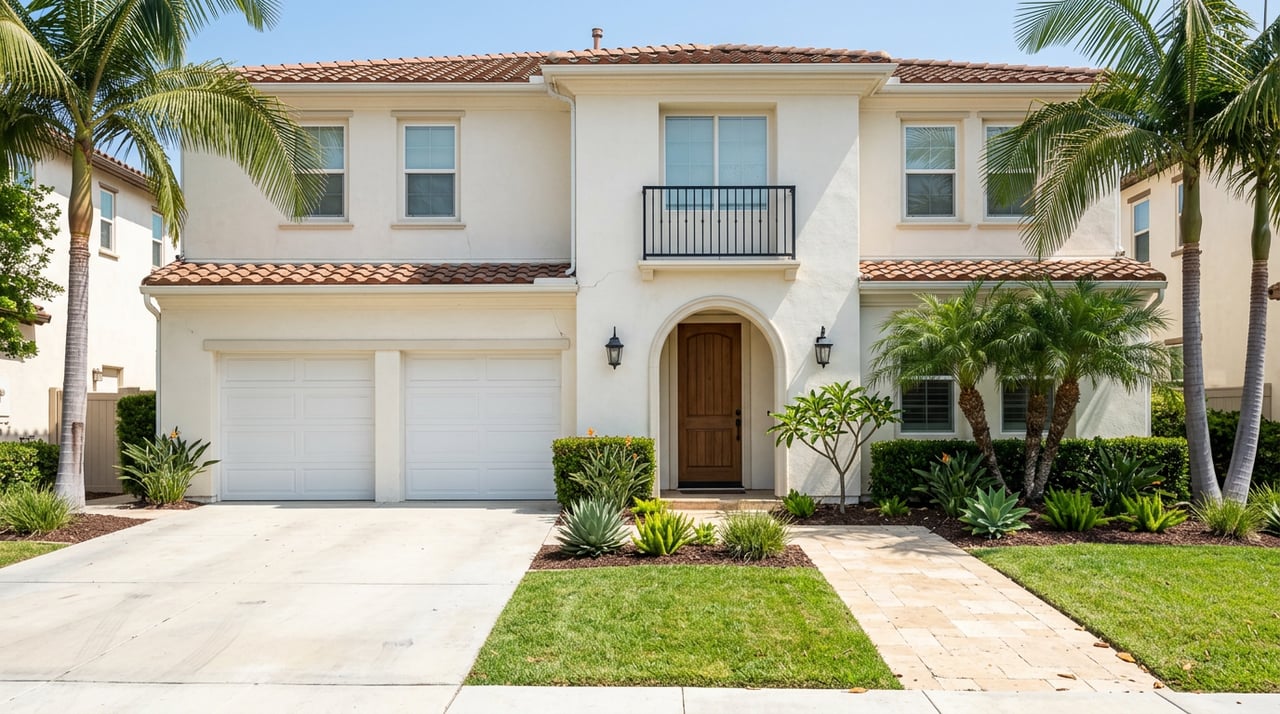
June marks the official start of hurricane season in Florida, and residents of Tampa Bay are encouraged to take early steps to prepare their homes, families, and neighborhoods. With forecasts pointing to a potentially active season, having a solid hurricane plan in place is essential.
This guide offers practical tips for hurricane preparedness in Tampa, from home protection to emergency kits, tailored for homeowners, buyers, and sellers navigating the summer season.
When is Hurricane Season in Florida (2025)?
Florida’s hurricane season runs from June 1 through November 30, with the highest risk between August and October. In coastal cities such as Tampa, risks include storm surge, flooding, high winds, and power outages.
Early indicators suggest that the 2025 hurricane season may bring above-average storm activity, underscoring the importance of timely preparation for residents and property owners.
How to Hurricane-Proof A Tampa Home?
As hurricane season in Florida peaks, it’s essential for Tampa homeowners to get ahead of the storm. Preparing your property now can save you time, money, and stress later.
You can take several steps to protect your homes during hurricane season. Key tasks include:
Inspecting Roofs for Loose Shingles or Vulnerabilities
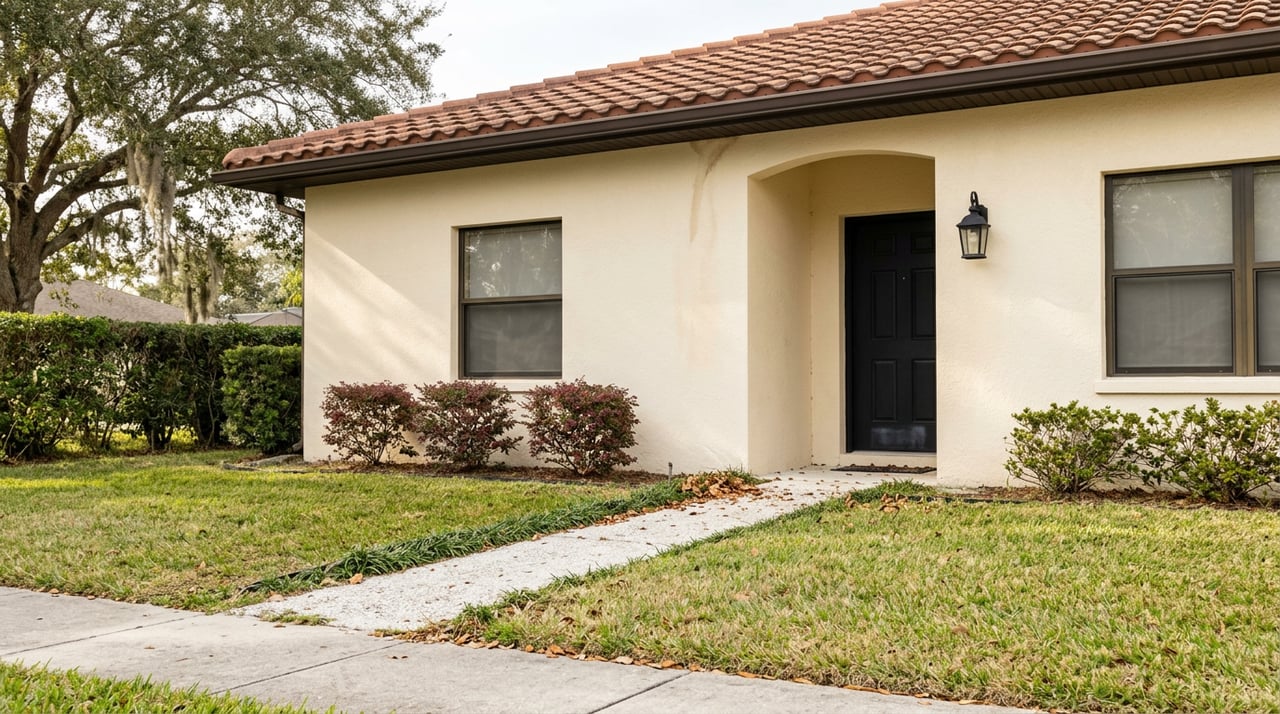
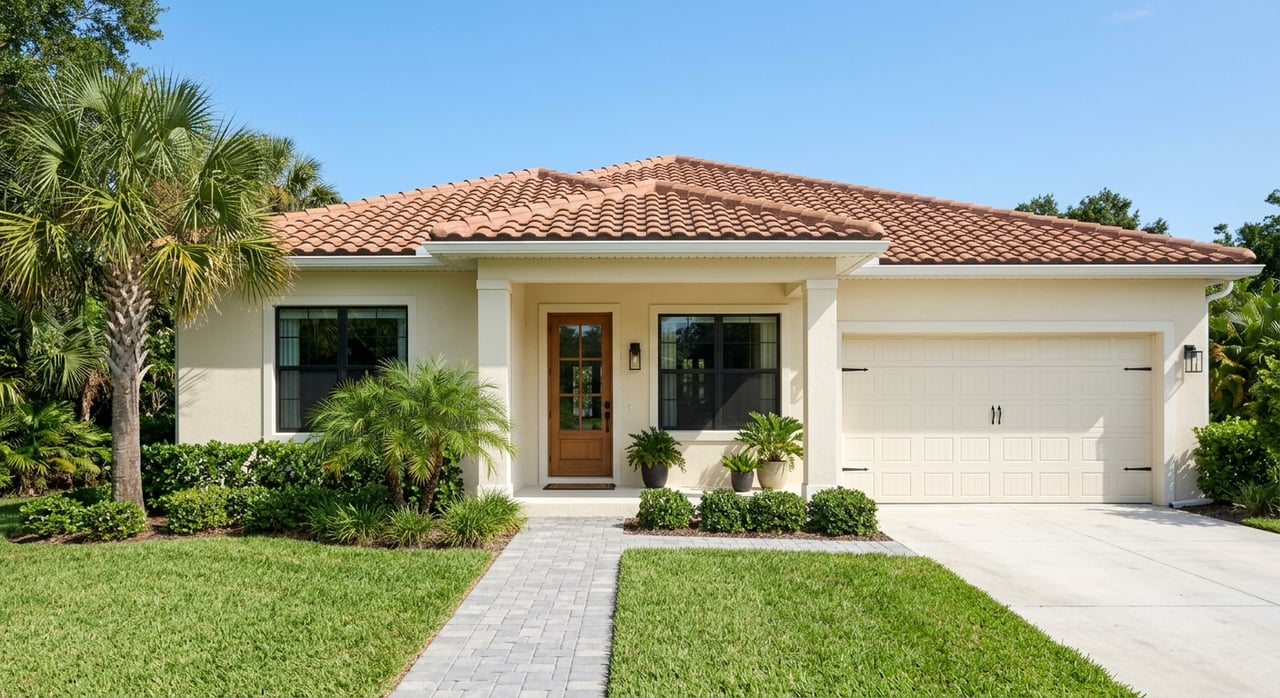
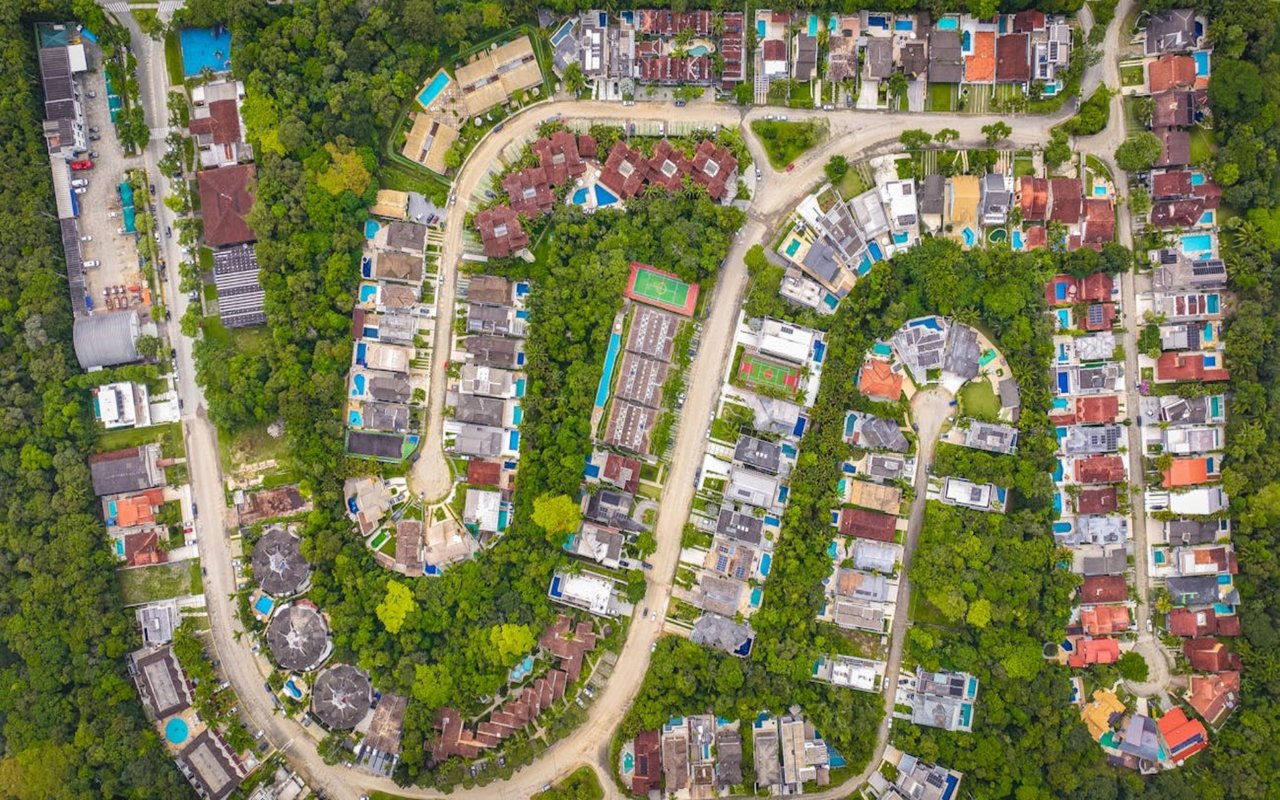
Your roof is your first line of defense. Start your Tampa hurricane preparedness by having it professionally inspected for missing, curled, or loose shingles. Even small gaps can let in wind and water during severe storms, causing significant interior damage. Reinforcing weak areas or upgrading to wind-rated shingles can protect your home during hurricane season and reduce costly repairs later.
Photo by Hanna Alves on Pexels
Clearing Gutters and Downspouts to Ensure Proper Drainage
Clogged gutters can cause rainwater to back up and pool around your home’s foundation, increasing the risk of flooding. Make sure all gutters and downspouts are free of debris so they can handle heavy rainfall typical during hurricane season in Florida. For added safety, check that water drains away from your home to avoid erosion and structural issues.
Checking or Installing Hurricane Shutters or Boarding Windows
Windows are one of the most vulnerable parts of a home during a storm. Installing hurricane shutters or pre-cut plywood boards adds a critical layer of protection. These barriers shield against flying debris and help maintain the structural integrity of your home—an essential part of any Florida hurricane checklist.
Trimming Trees and Securing Outdoor Furniture and Decor

Photo by Anna Shvets on Pexels
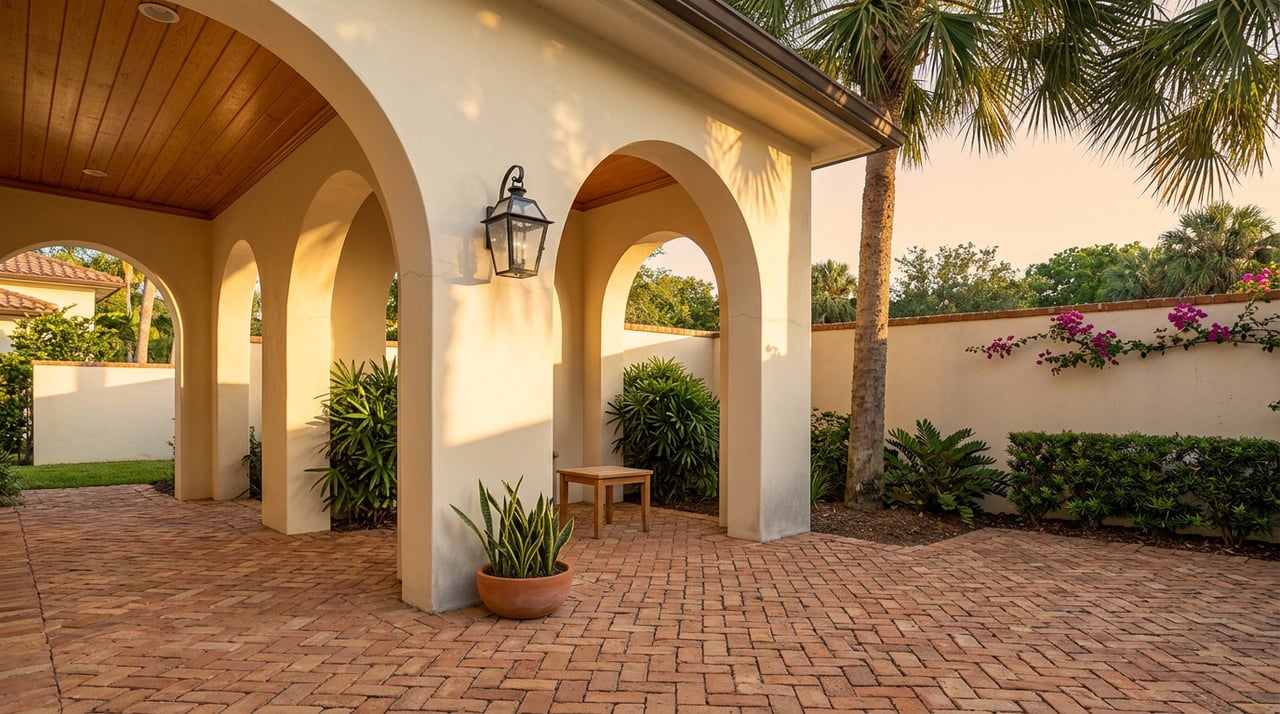
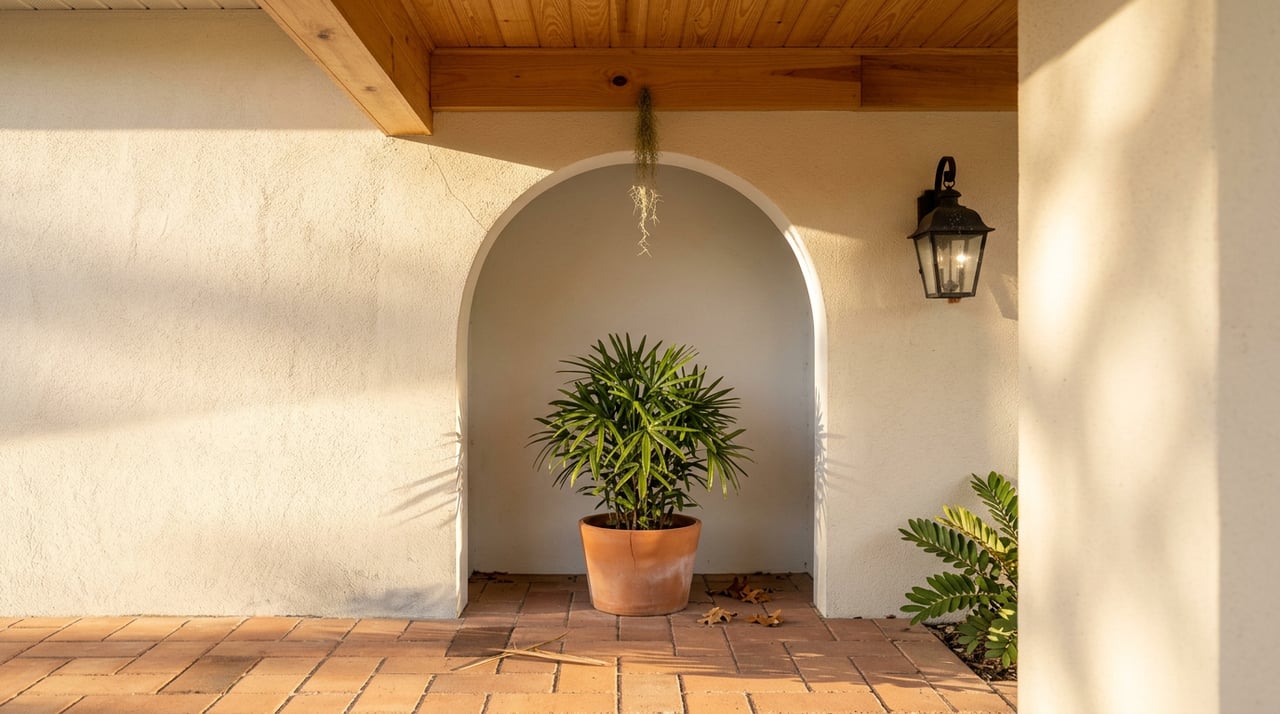
High winds can turn loose objects into dangerous projectiles. Trim tree branches that hang near your home or power lines, and bring in or secure items like patio furniture, potted plants, and garden decorations. These small steps can significantly protect your home during hurricane season, especially in storm-prone areas like Tampa Bay.
Reviewing Homeowners Insurance, Including Wind and Flood Coverage
Not all insurance policies include windstorm or flood protection, both of which are crucial for Tampa homeowners. Contact your provider to confirm your coverage and update your policy if needed. Also, take inventory of your belongings and store digital copies of important documents—smart moves that should be on every hurricane home prep checklist.
Partnering with local inspectors or contractors can help identify any weak spots and ensure the home is storm-ready.
What to Include in a Hurricane Emergency Kit?

Photo by Julia M Cameron on Pexels
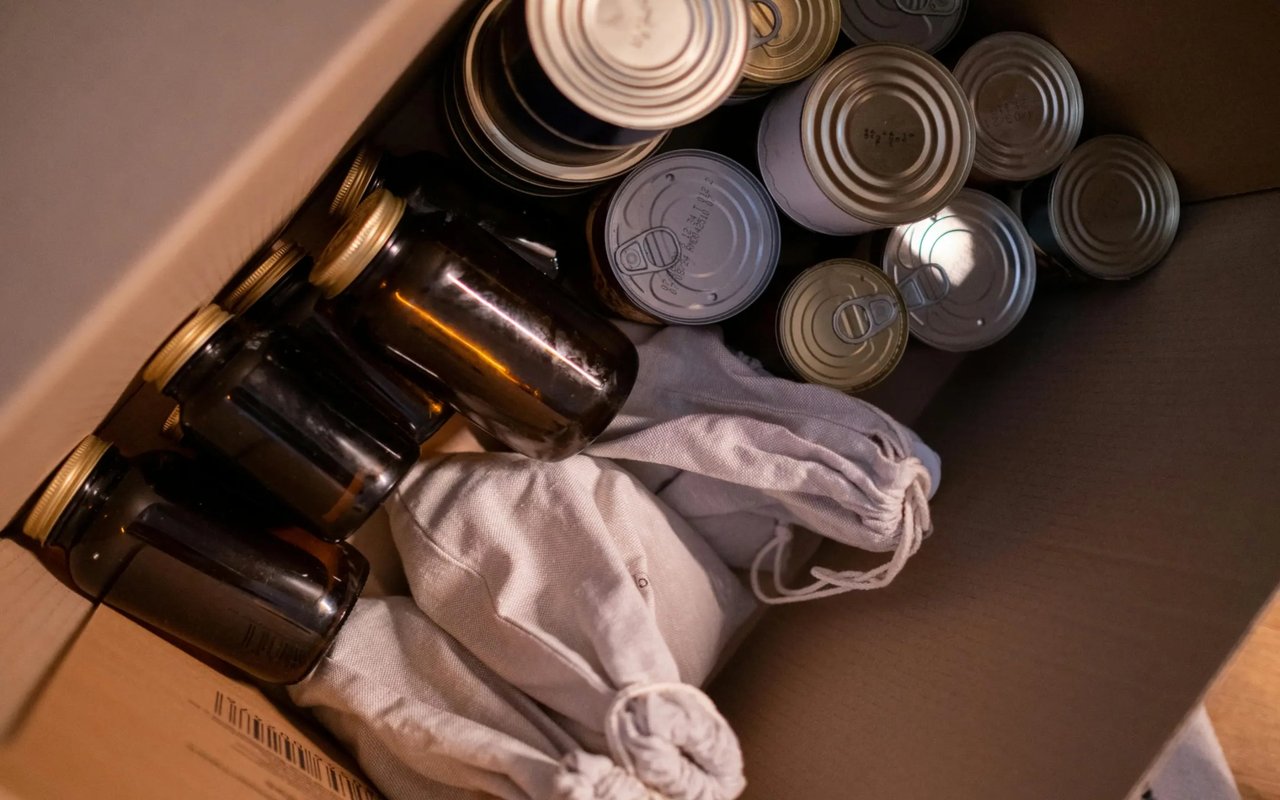
A well-stocked hurricane emergency kit is crucial in the event of power outages, evacuations, or extended shelter-in-place periods. Essentials include:
- 1 gallon of water per person per day (minimum 3 days)
- Non-perishable food
- Flashlights, extra batteries, portable phone chargers
- First aid supplies and hygiene items
- Important documents in waterproof containers
- Prescription medications
- Cash in small bills
- Pet food and supplies
Kits should be packed in accessible containers and reviewed at the beginning of each season.
Know Tampa’s Evacuation Zones and Local Resources
Residents should be aware of their flood zone, local evacuation routes, and nearby shelters—especially those that are pet-friendly. Tampa and Hillsborough County offer several resources, including:
- Flood zone look-up tool – Hillsborough County
- Pet-friendly shelter information
- Local hurricane text alert sign-ups
Evacuation plans should be discussed with all household members in advance.
What Buyers and Sellers Should Know During Hurricane Season?
Those in the process of buying or selling a home during Florida’s hurricane season should remain flexible and prepared. Storm activity can impact:
- Home inspections and appraisals
- Closing dates and documentation delivery
- Insurance binding timelines (many carriers halt new policies before a storm)
Real estate professionals in the Tampa area can help guide buyers and sellers through seasonal disruptions and ensure timelines are properly managed.
Final Thoughts
As hurricane season in Florida approaches its peak, preparation is more than a precaution—it’s a necessity. Whether you’re a seasoned resident or a first-time Tampa homeowner, having a solid hurricane home prep checklist in place can make all the difference. From inspecting your roof and shutters to securing outdoor items and updating your insurance, every step strengthens your defense against the storm.
True Tampa hurricane preparedness also means knowing where to go, how to communicate, and how to care for every member of your household—including pets. Be sure to stay connected to Tampa Bay emergency alerts, research pet-friendly hurricane shelters in Tampa, and plan ahead to reduce last-minute stress.
Need a quick, visual guide to keep on hand?
Download Jenny’s FREE Hurricane Prep Infographic: