Salt air, sunrise views, and a walkable Main Street can make everyday life feel easier. If you’re curious about living near the bay in Safety Harbor, you’re not alone. Many Tampa Bay buyers want the small-city vibe with quick access to parks, local dining, and the water. In this guide, you’ll learn what daily life looks like, the housing you’ll find, key buyer considerations, and how to decide if Safety Harbor fits your plans. Let’s dive in.
Where Safety Harbor sits in Tampa Bay
Safety Harbor sits on the west shore of Tampa Bay in Pinellas County, tucked between Clearwater and St. Petersburg and northwest of downtown Tampa. It is one of the smaller, older cities on the bay with a defined Main Street and several bayfront parks. The population is roughly 17,000 residents, which supports a friendly, small-city feel.
The climate is humid subtropical. Expect hot, humid summers and mild winters. Hurricane season runs from June through November, so storm readiness and flood considerations are part of everyday planning for homeowners near the water.
Downtown lifestyle and daily conveniences
Safety Harbor’s downtown is compact and easy to navigate, which makes quick errands and casual meetups simple.
Main Street rhythm
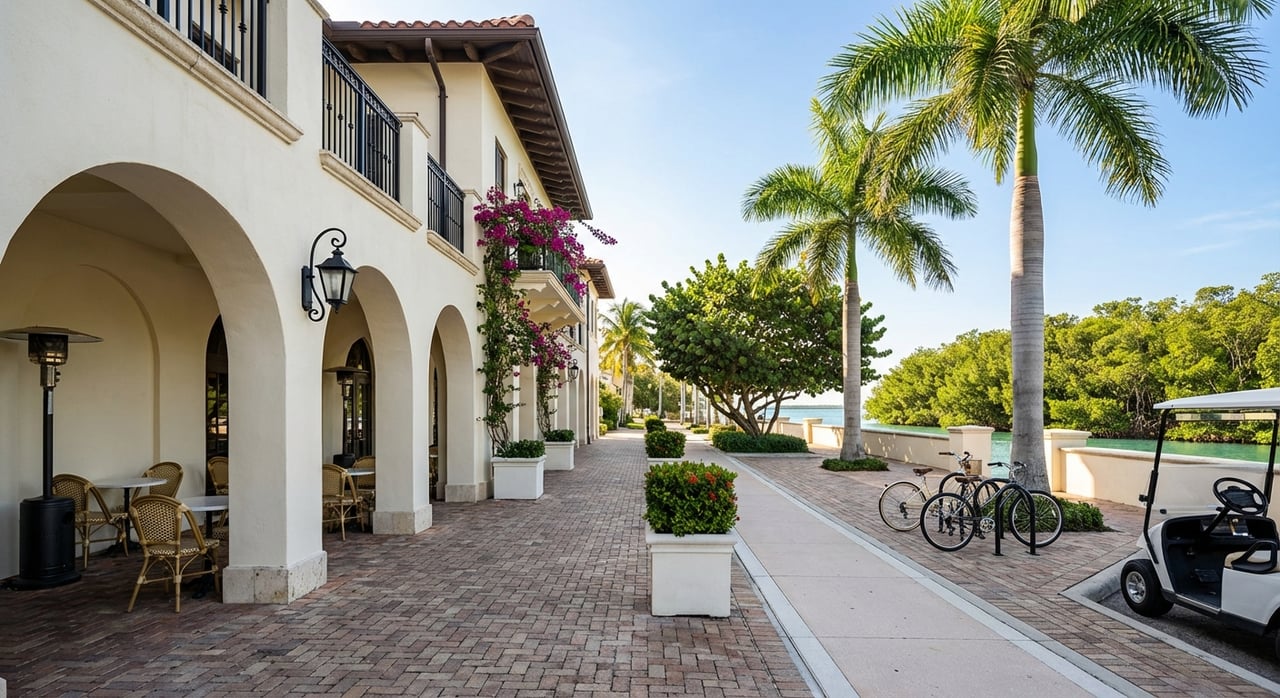
A typical day might include a coffee run, browsing local boutiques, or grabbing lunch at a neighborhood spot. Most businesses are small and locally owned. The walkable grid around Main Street encourages short strolls and relaxed evenings.
Local dining and shops
You’ll find cafés, restaurants, and service businesses clustered in the core blocks. It’s the kind of place where you start to know the barista or the shop owner by name. Weekends often bring more visitors, which adds energy without losing the local feel.
Bayfront parks and water access
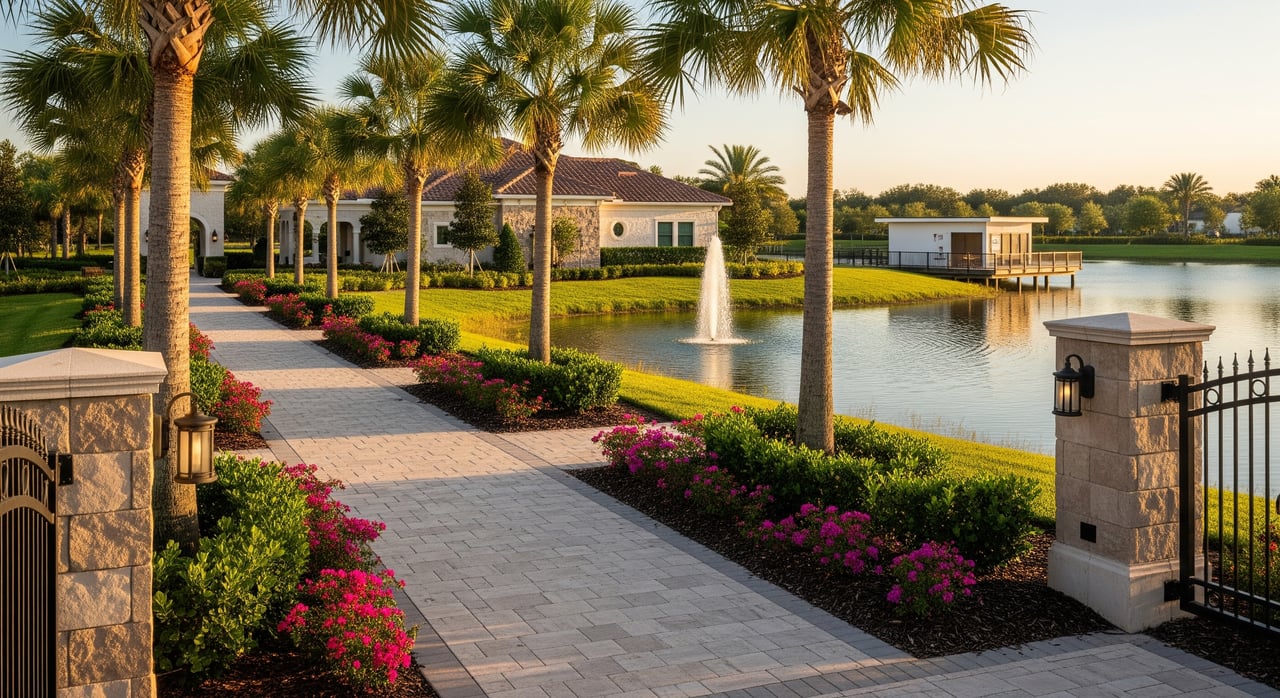
Access to the bay shapes daily life here. Whether you fish at sunrise, picnic under mature trees, or launch a paddleboard, the waterfront is part of the routine.
Philippe Park highlights
Philippe Park is the city’s signature bayfront space. It offers shaded picnic areas, playgrounds, and scenic waterfront views. The park also features a preserved Native American mound associated with the Tocobaga culture, which adds historical context to your visits.
Marina, ramps, and piers
The municipal marina and public boat ramps make it realistic to keep a small boat, fish on weekends, or head out for a paddle. Smaller parks and linear waterfront stretches give you spots for walking and watching the sun rise over the bay.
Safety basics on the waterfront
Some bayfront areas are low-lying and can be exposed to storm surge or high tides. If you’re evaluating a property near the water, check FEMA flood maps, local elevation certificates, and Pinellas County resources to understand site-specific risk. These details can affect insurance costs and long-term resilience.
Events, arts, and the spa scene
Community events and the local arts presence give Safety Harbor a lively, welcoming atmosphere.
Community events
The city hosts recurring festivals, markets, and concerts throughout the year. These events draw visitors from across the county and give residents regular reasons to gather downtown.
Arts and classes
Local galleries, community arts centers, and small performance spaces add creativity to the calendar. You can take a class, browse public art, or catch a show without leaving town.
Safety Harbor Resort & Spa
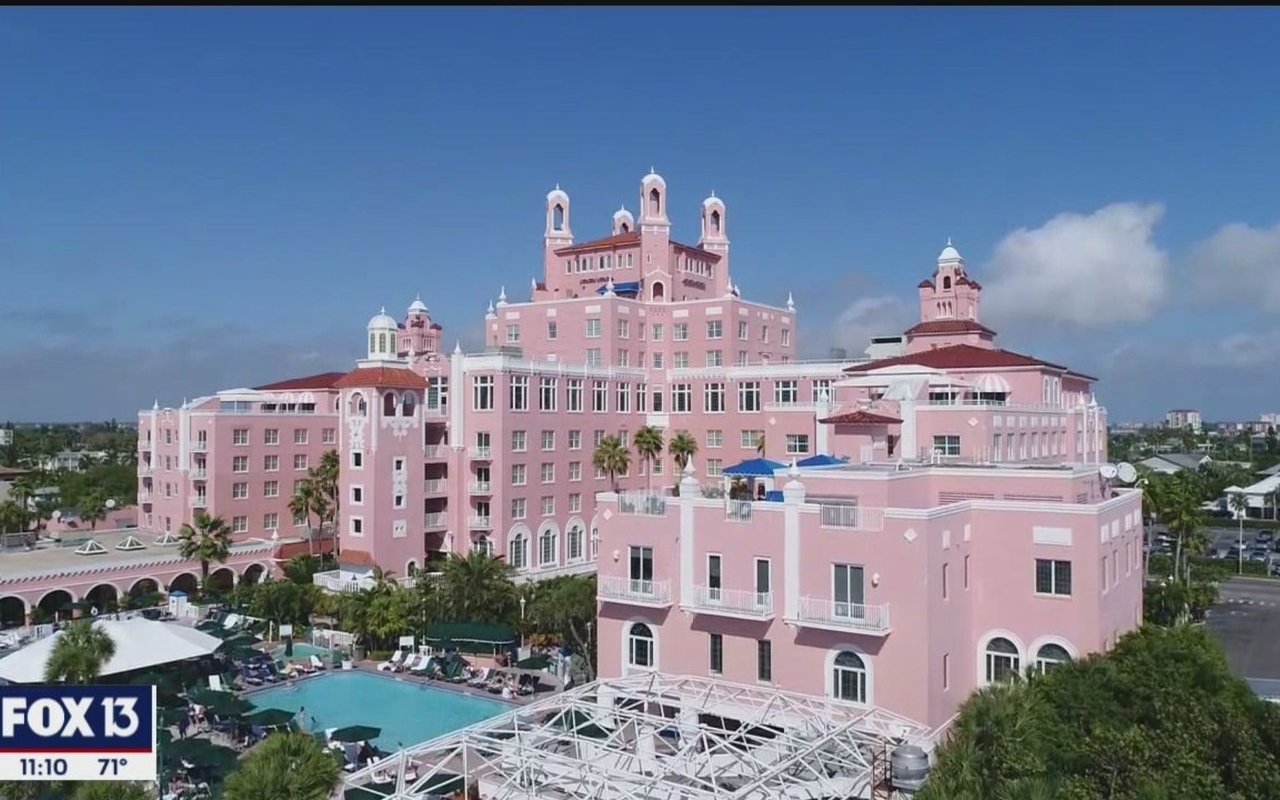
The historic mineral spring and resort sits on the bayfront and remains a local landmark. It brings visitors to town and supports a mix of hospitality and tourism-oriented businesses near the water.
Recreation on land and water
If you like a casual, active routine, Safety Harbor makes it easy to get outside.
On the water
You’ll see neighbors kayaking, paddleboarding, sailing, and fishing on calm mornings. If you plan to dock a boat or use a slip, confirm availability and any local rules before you commit.
On land and nearby beaches
Walk your dog through tree-lined streets, visit playgrounds, or hop on a bike for a short ride. Gulf beaches in places like Clearwater and Dunedin are a short drive away, which expands your weekend options.
Housing types near the bay
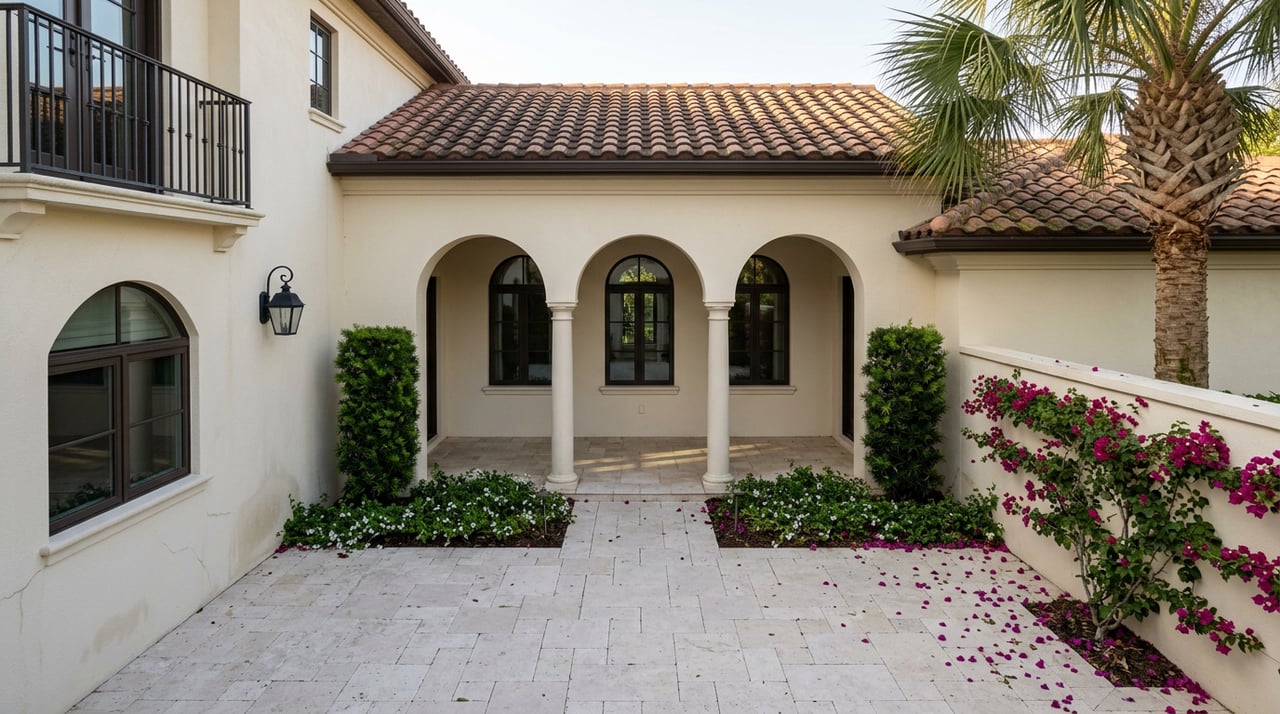
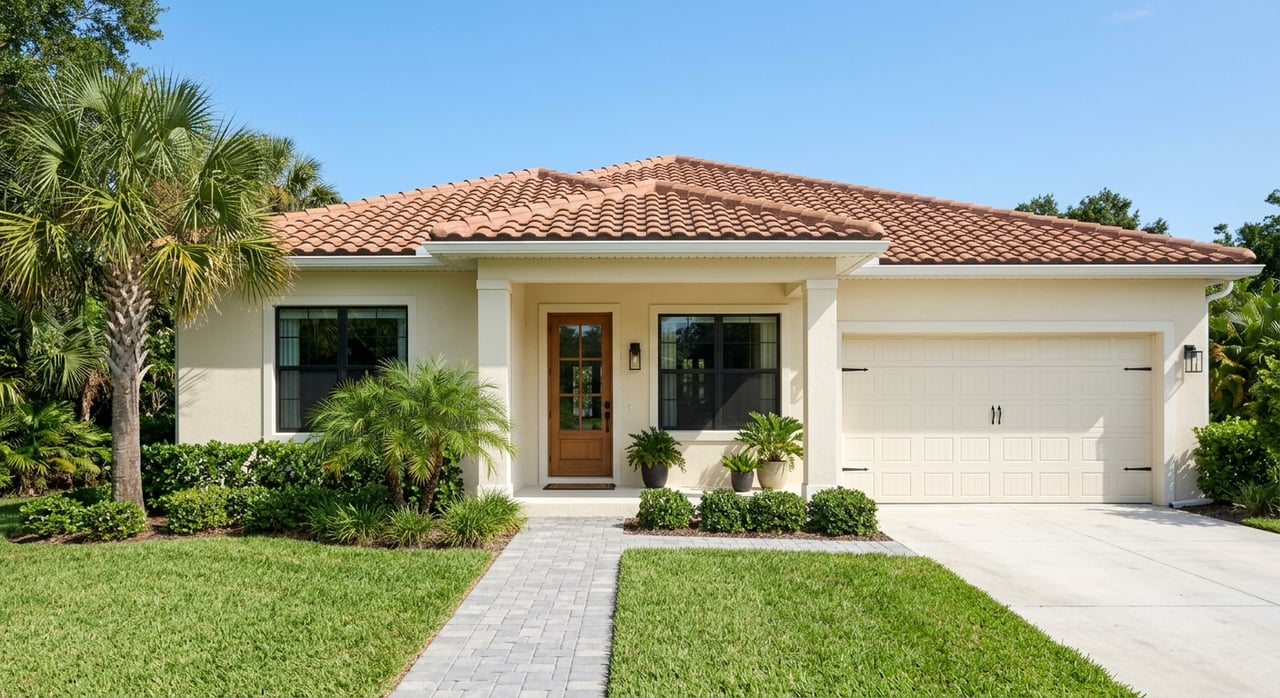
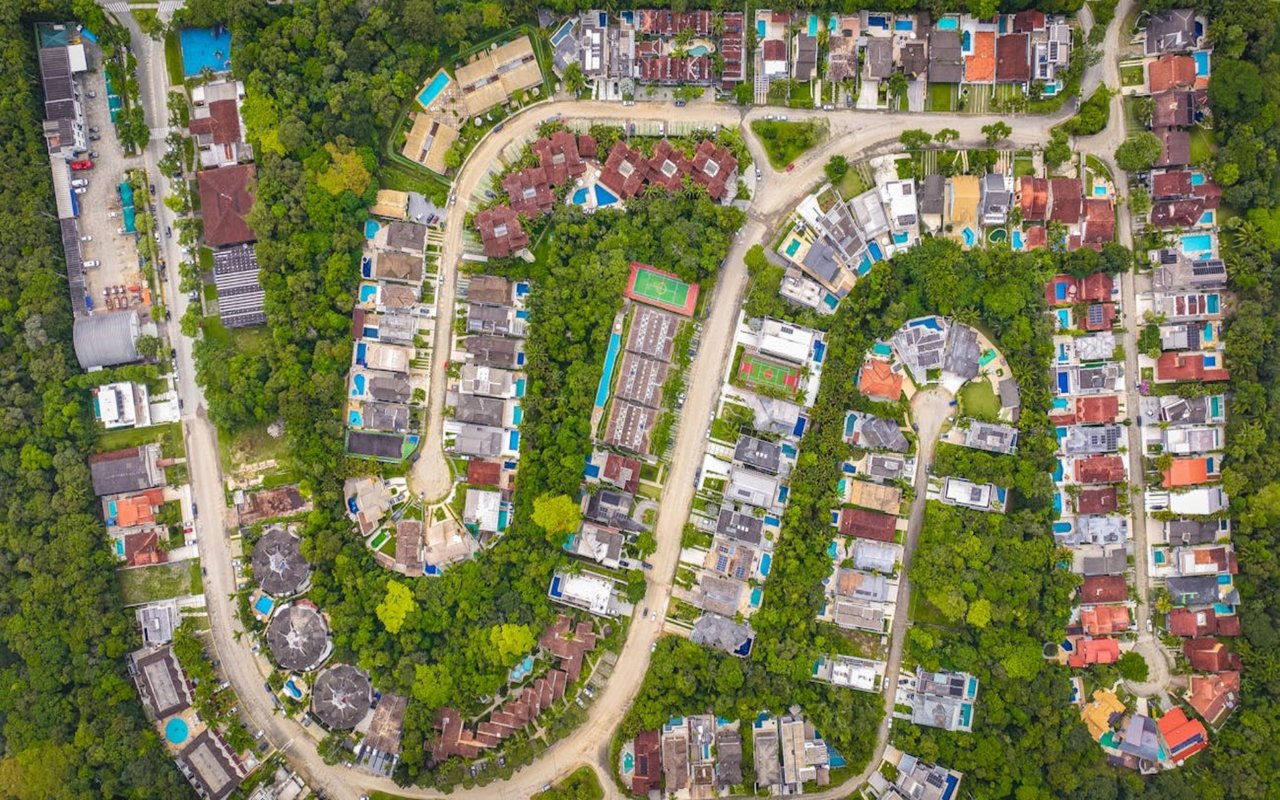
Safety Harbor’s housing stock reflects its age, bayfront setting, and ongoing infill. You’ll find a range of options depending on location, lot size, and water access.
Historic bungalows and cottages
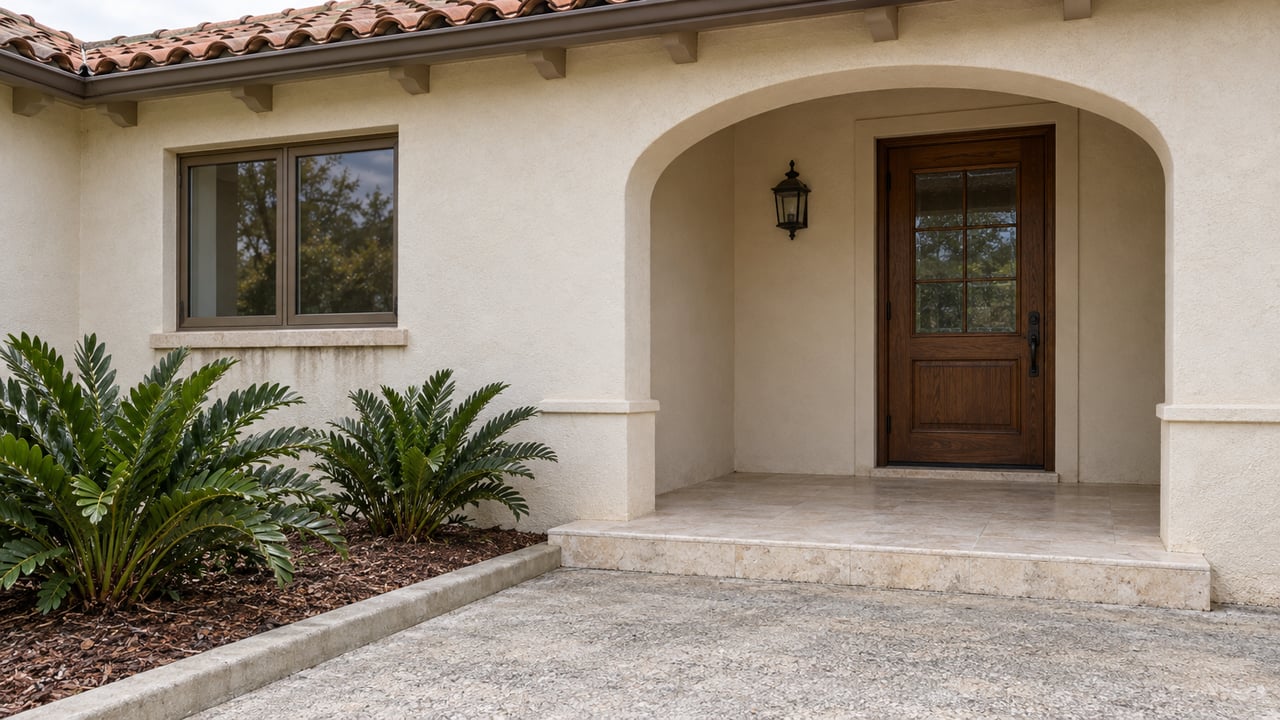
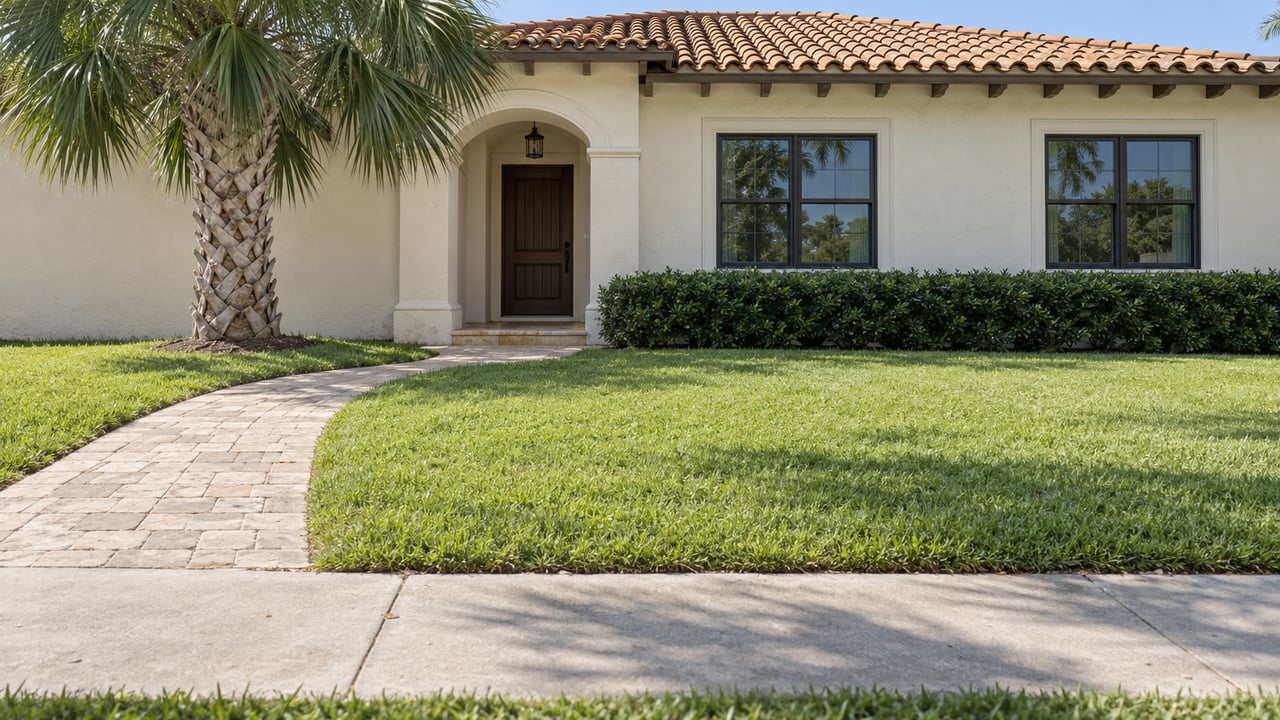
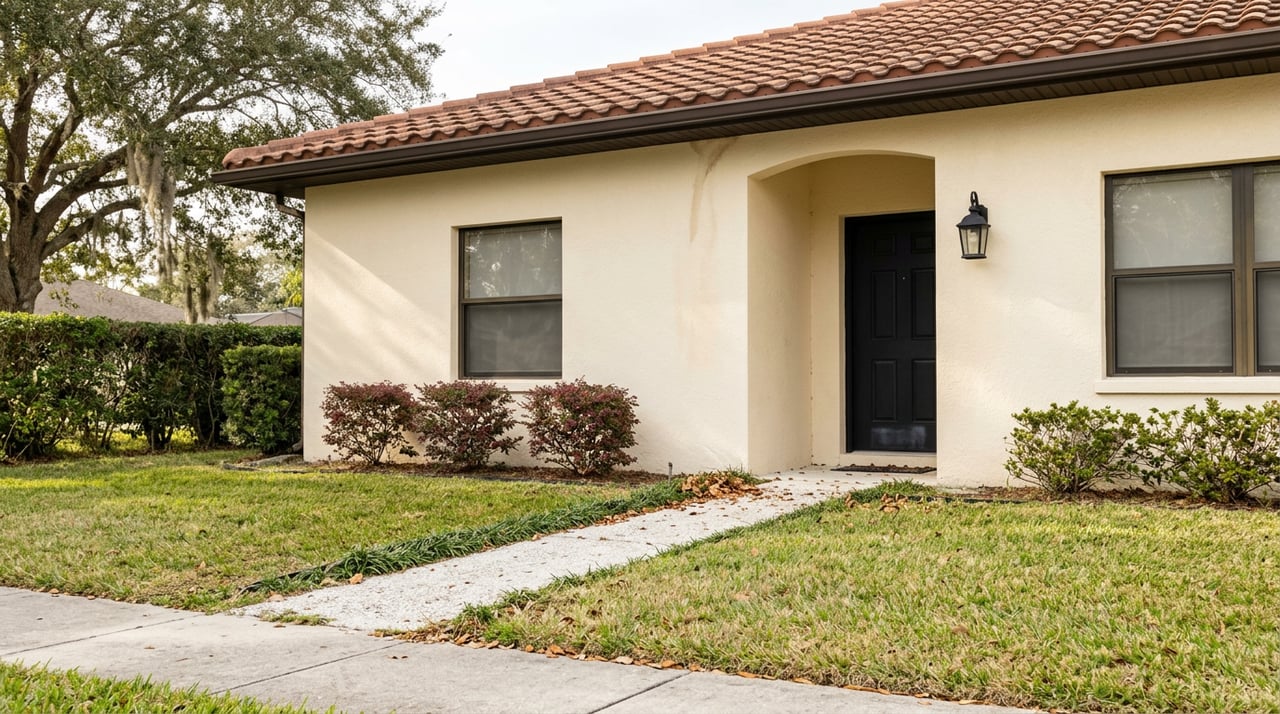
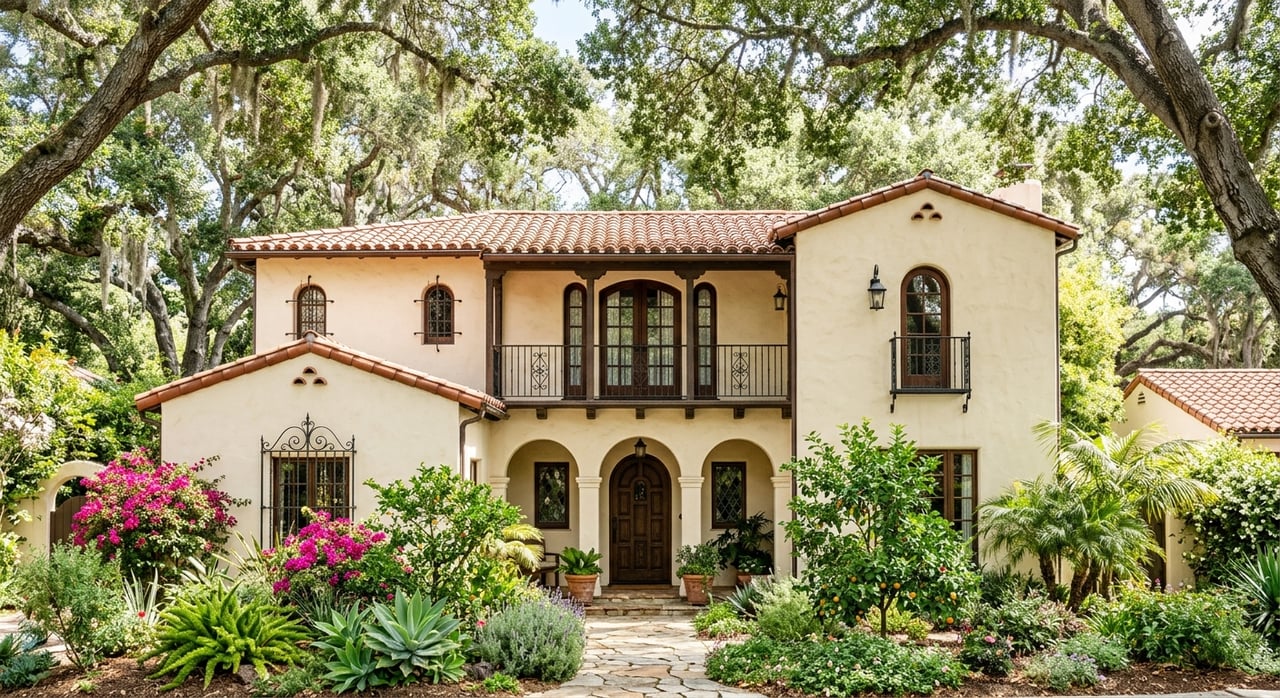
In older neighborhoods near downtown, you’ll see early-20th-century homes with porches, smaller lots, and mature trees. Many have been updated over time, while others present renovation opportunities.
Waterfront homes and condos
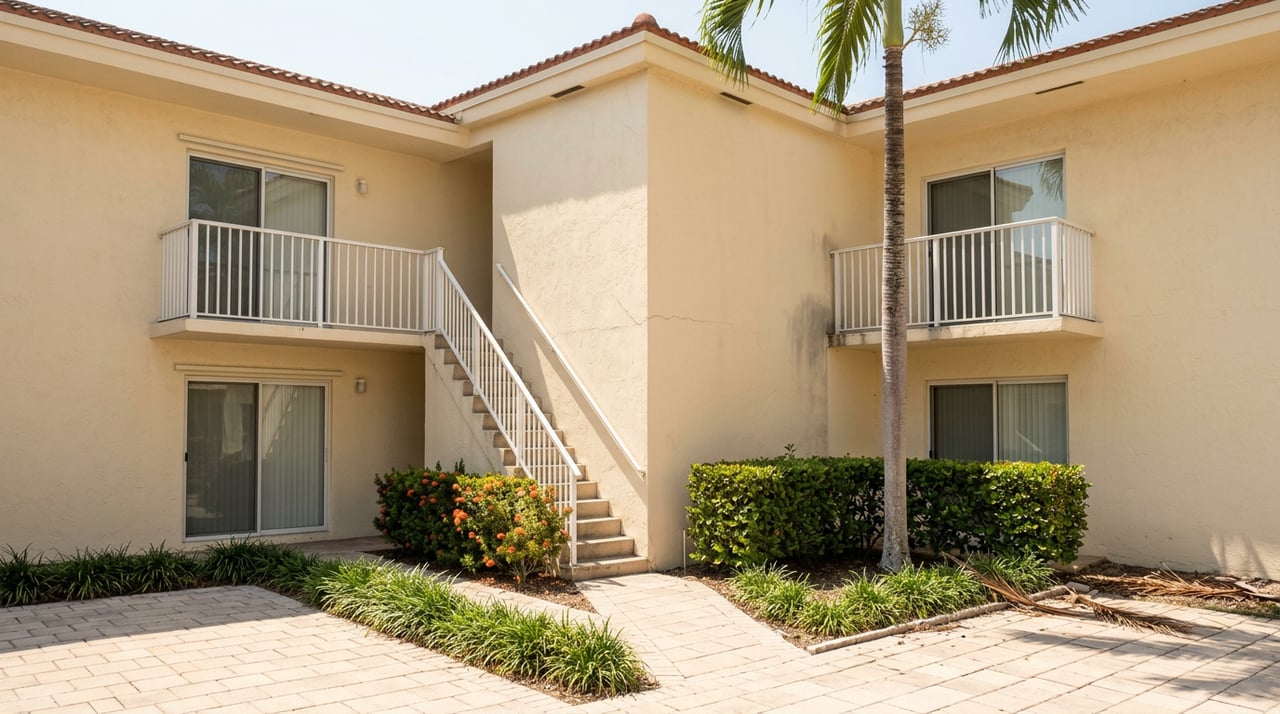
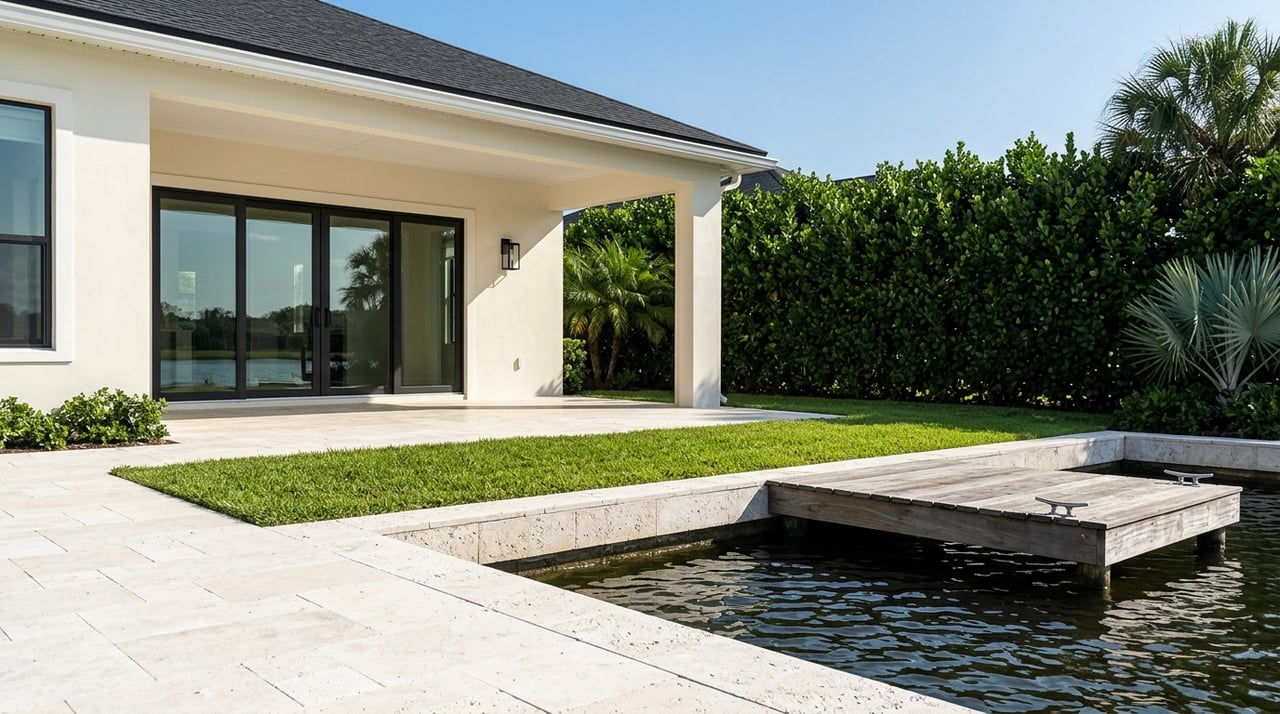
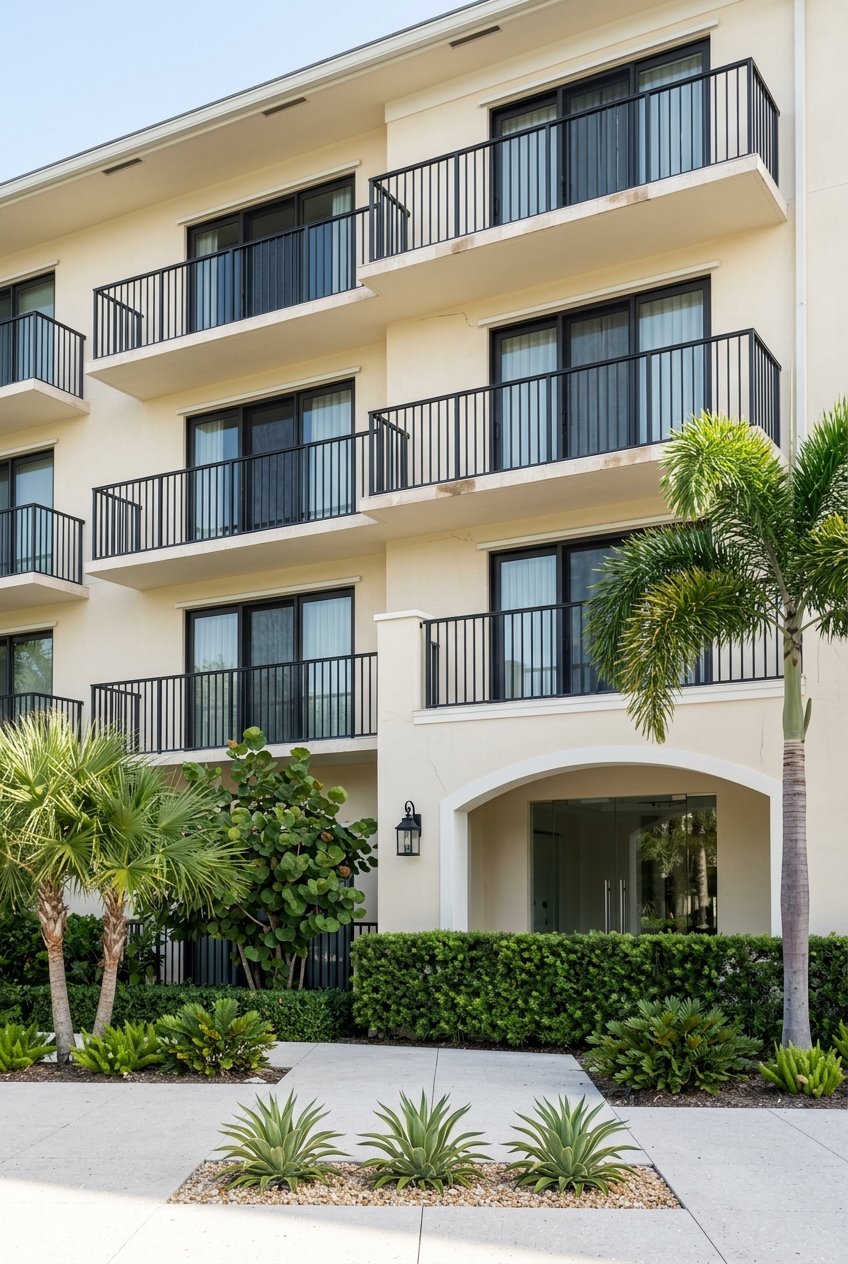
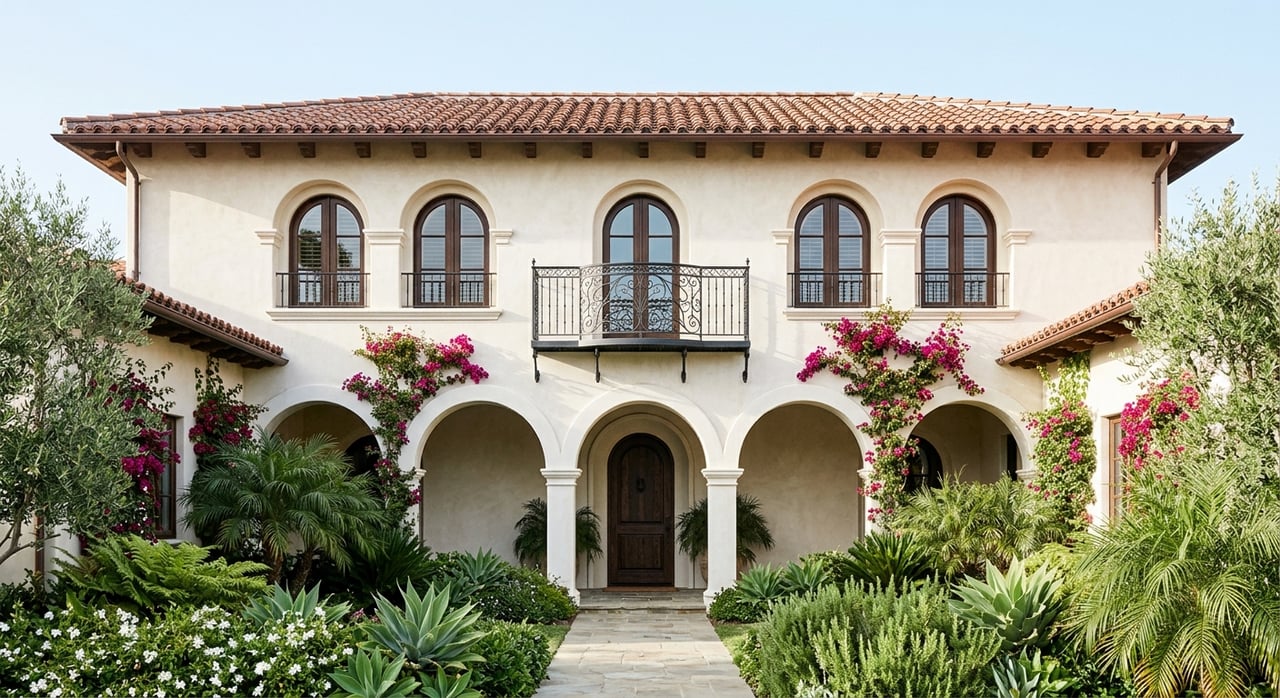
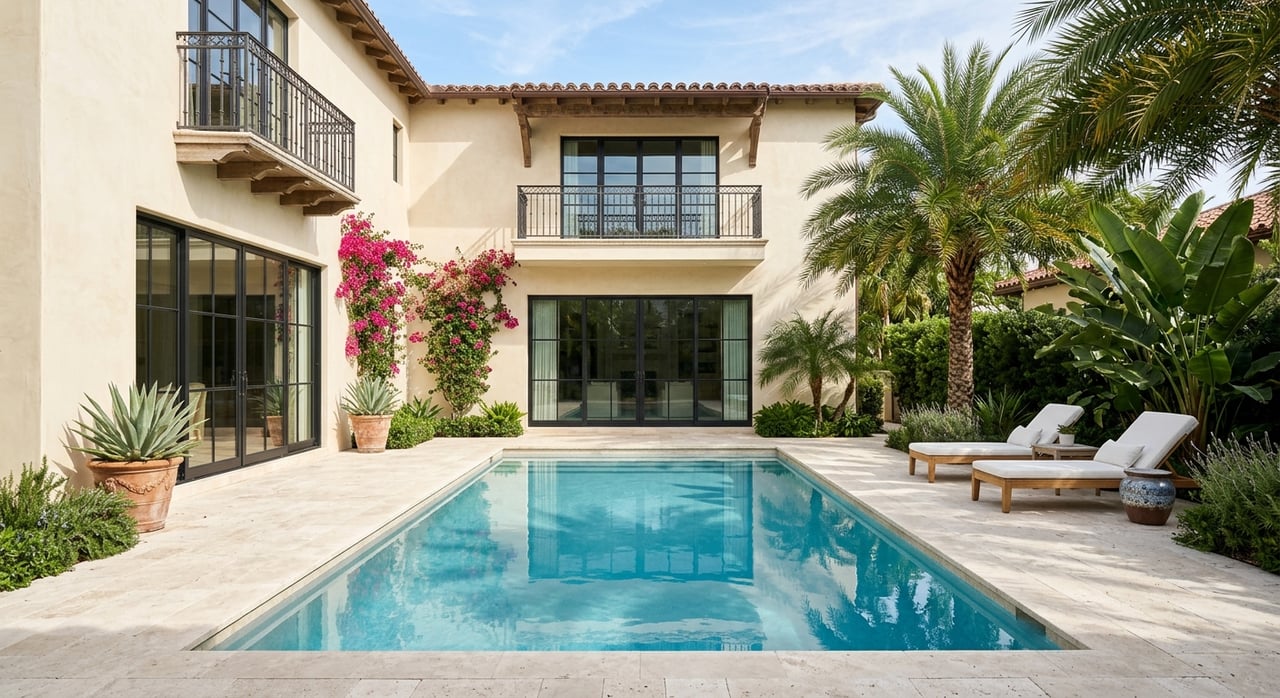
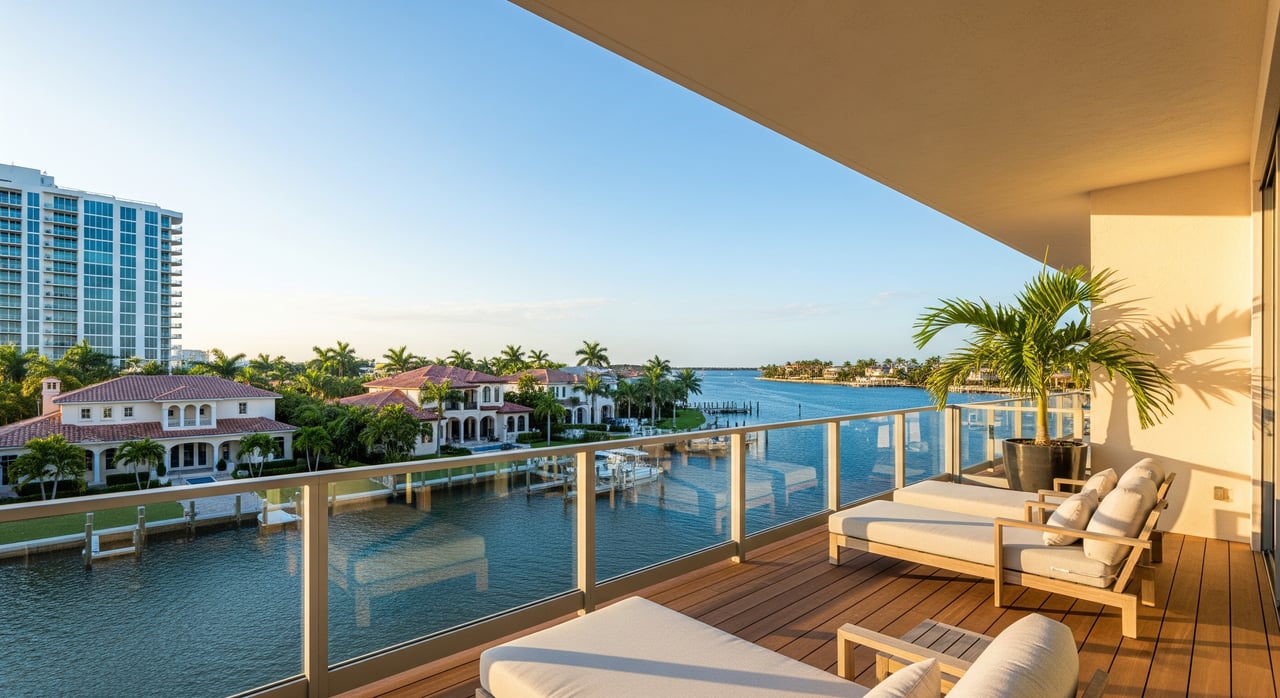
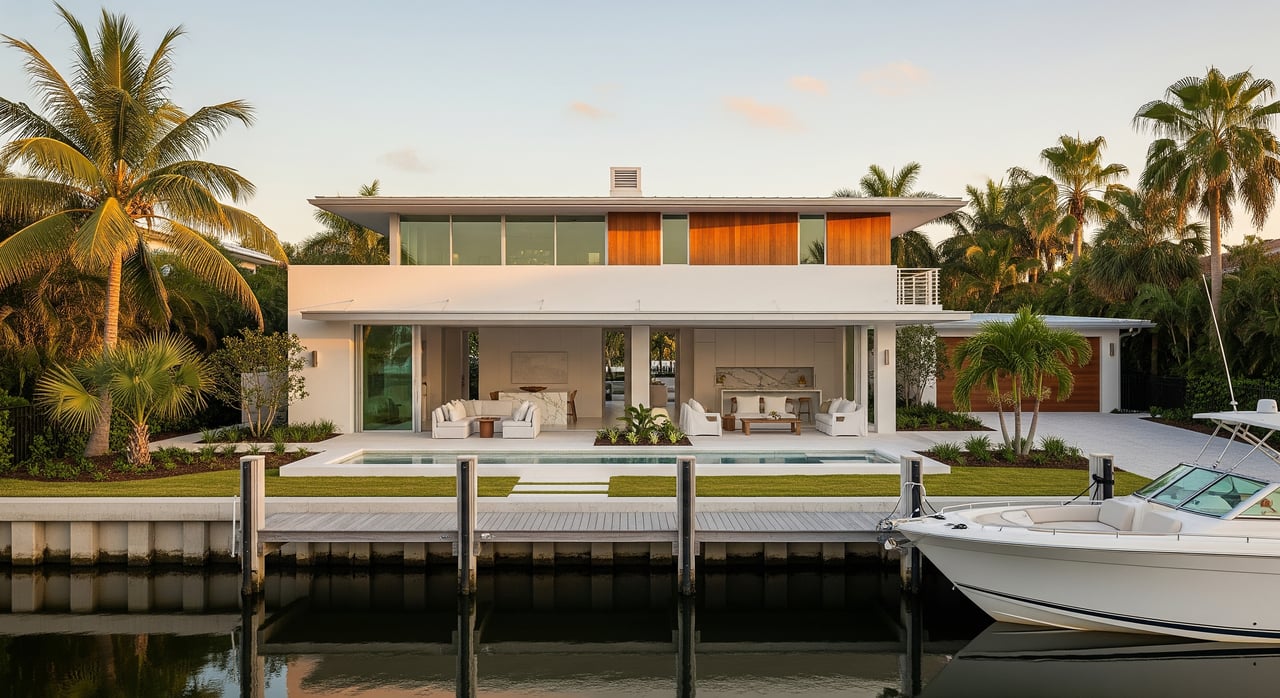
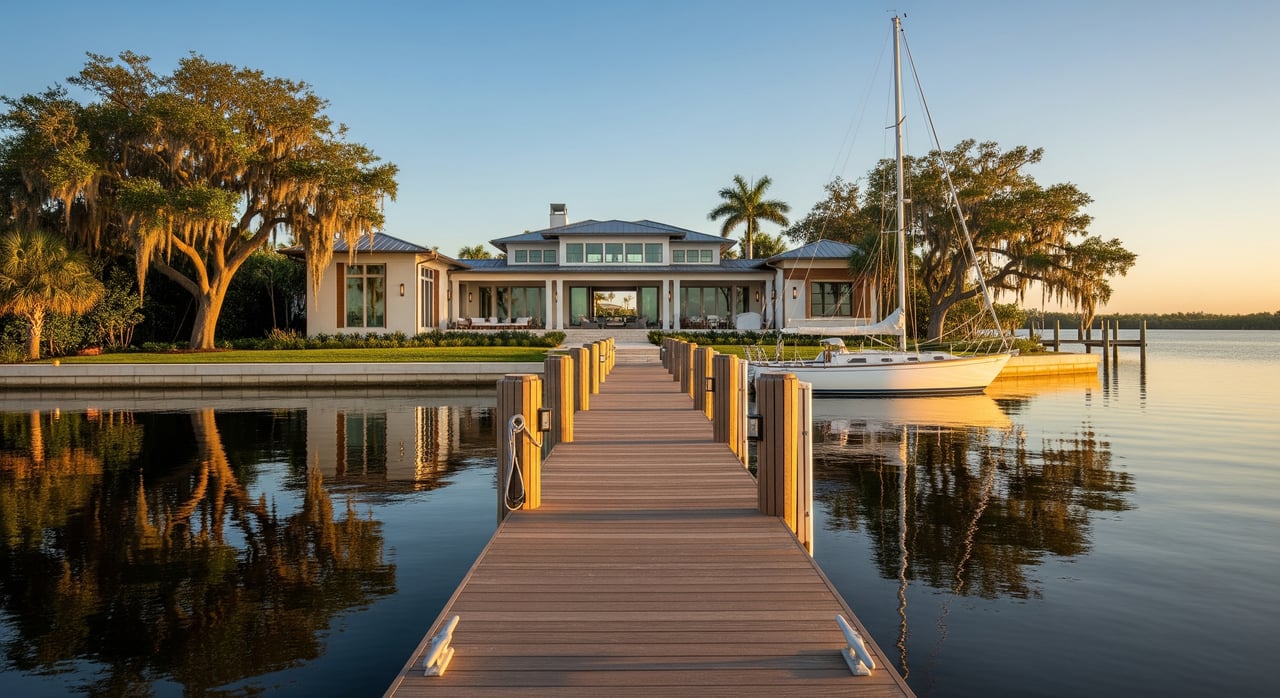
Along the bay and near the marina, you’ll find single-family homes with docks, mid-rise condos, and smaller multi-family buildings. Some offer direct water access or broad bay views.
Infill and new builds
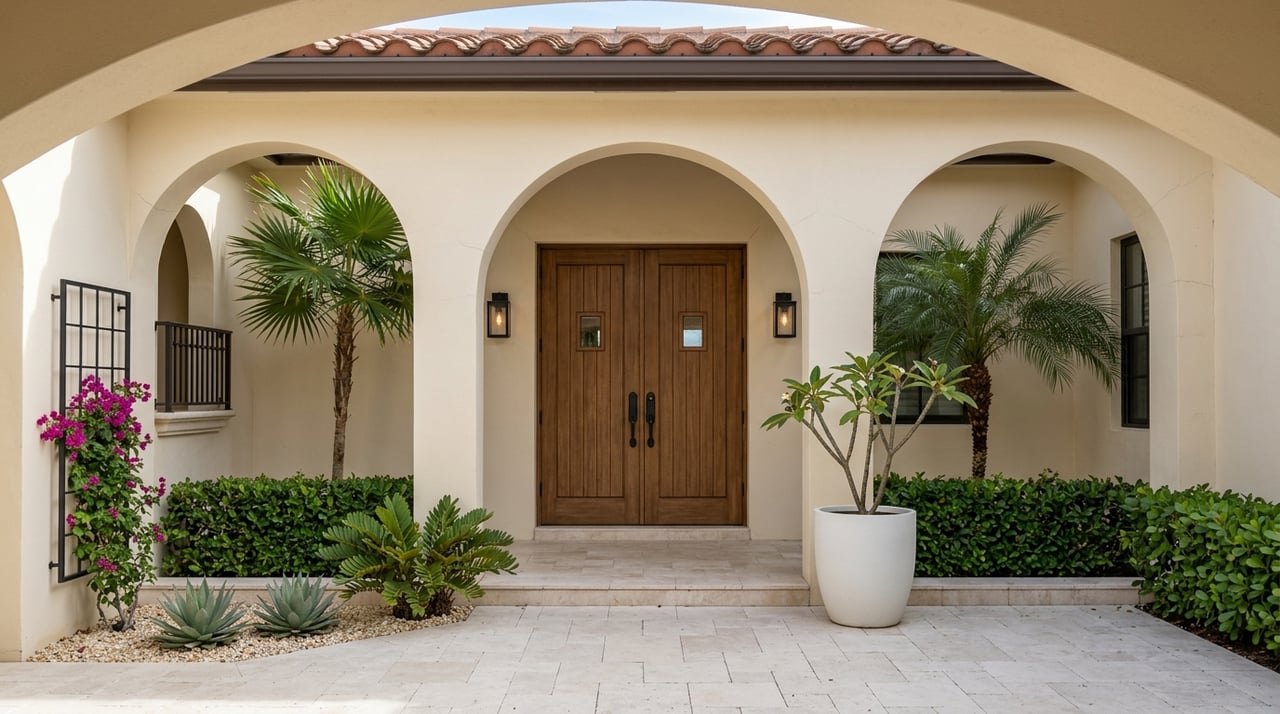
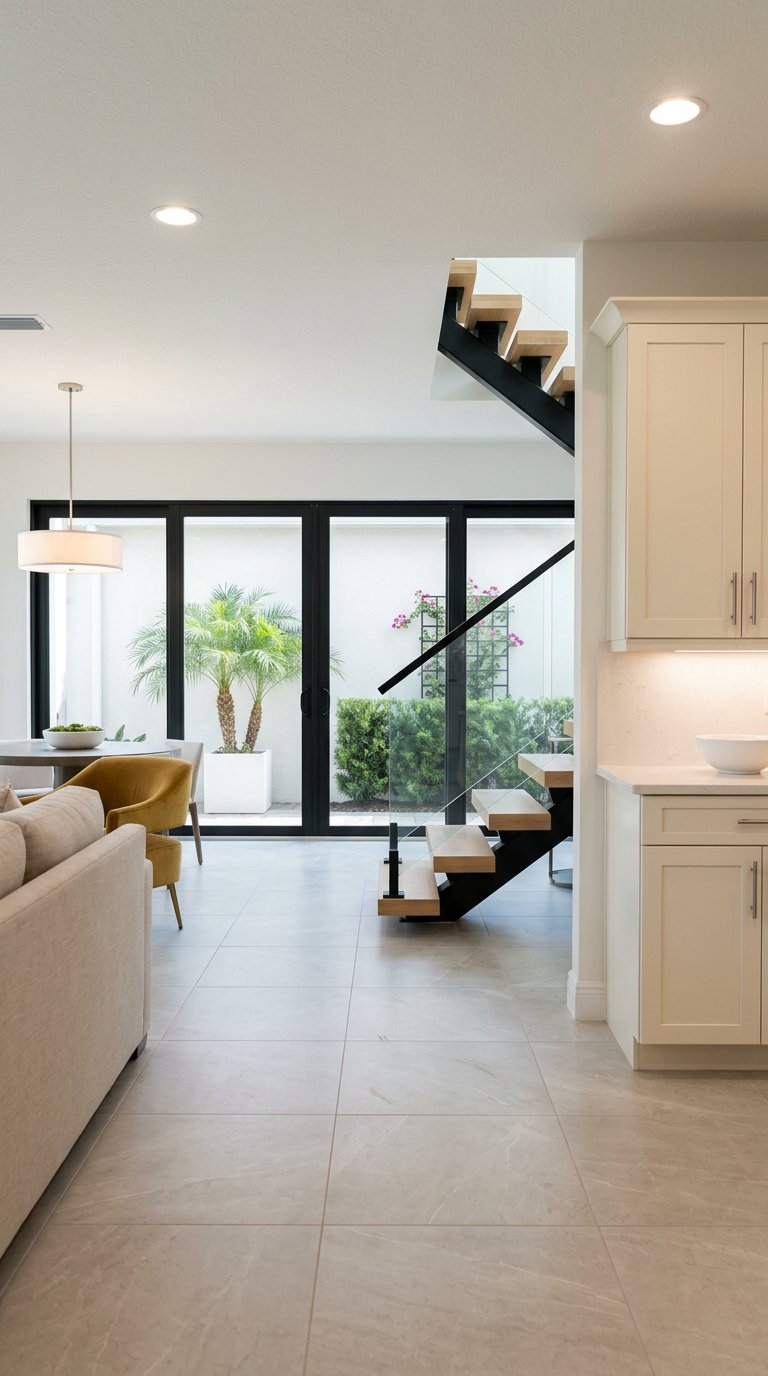
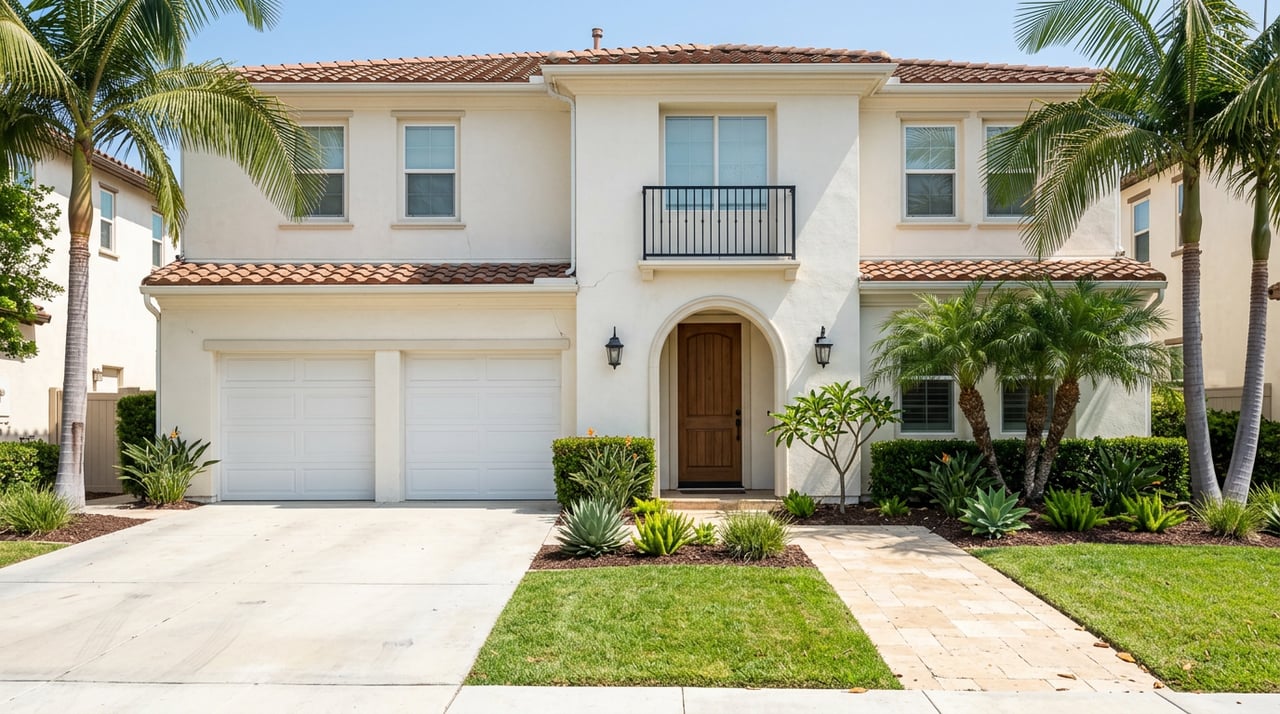
Because land is limited and demand is steady, older homes are sometimes replaced by new construction. You’ll also find townhomes and luxury replacements on previously smaller lots in select areas.
What drives demand
Buyers are drawn to the small-city, bay-adjacent lifestyle, walkable downtown, and proximity to regional job centers in Tampa, Clearwater, and St. Petersburg. Inventory can be tight for well-located homes near Main Street or on the bay, which may lead to competitive offers for well-priced listings.
Buyer considerations specific to the bay
If you’re considering a home close to the water, use this checklist to focus your due diligence:
- Flood risk and insurance. Many near-bay properties sit in FEMA flood zones. Lenders may require flood insurance. Ask for elevation certificates, review historical high-water details, and evaluate storm-surge models.
- Hurricane readiness and building standards. Review the age of the roof, window and door ratings, and any storm-hardening upgrades. Verify documented repairs after prior storms.
- Seawalls, docks, and riparian rights. Inspect seawall condition, understand dock permits and maintenance responsibilities, and verify ownership and usage rights.
- Historic or design rules. Some areas may have local review for exterior changes. Confirm whether renovations or additions require approvals.
- Utilities and services. Most homes are on municipal water and sewer. If you’re evaluating a unique or infill lot, confirm service connections.
- Title and surveys. For waterfront parcels, a current boundary and dock survey is especially useful.
Carrying costs to factor in
Beyond the purchase price, plan for annual costs that are common in a bayfront community.
- Property taxes and exemptions. Florida offers a homestead exemption for qualifying primary residences. Check Pinellas County resources for current exemptions and millage rates.
- Home and flood insurance. Premiums vary based on construction, elevation, and distance to the bay. Get quotes early so you can compare properties accurately.
- Maintenance and marina fees. If a property has a seawall or dock, budget for periodic inspections and repairs. If you plan to keep a boat, account for marina slip fees and related upkeep.
Getting around, schools, and services
Practical logistics influence your day-to-day experience, especially if you commute or have school-age children.
Commute and transit
Most residents drive for regional commutes. Typical drive times to downtown Tampa are about 20 to 40 minutes depending on route and traffic. The PSTA bus network serves Pinellas County, including regional connections, but trips are generally slower than driving. There is no direct commuter rail from Safety Harbor.
Schools and family services
Safety Harbor is served by Pinellas County Schools. The city includes local elementary and middle schools, with high school assignments in nearby areas. Always confirm current attendance zones with the district. You will also find local childcare options, a public library branch, and community programs.
Safety and crime
Safety Harbor is widely regarded as a safe, community-oriented city with active local involvement. For specific crime rates and trend data, review information from the Pinellas County Sheriff’s Office or the Florida Department of Law Enforcement. Conditions can vary by block, so check recent data for any address you are considering.
Is Safety Harbor a fit for you?
Choose Safety Harbor if you want a small-city lifestyle with an easy downtown, regular community events, and direct access to the bay. You’ll trade towering condos for historic charm, neighborhood restaurants, and sunrises over the water. If you’re looking for a home base that blends local energy with quick access to Tampa, Clearwater, and St. Pete, this neighborhood often hits the sweet spot.
If you want help matching your wish list to the right street or bayfront pocket, let’s talk. I’ll walk you through flood and insurance factors, property trade-offs, and how to position a winning offer when the right home hits. Ready to explore homes near the bay or list your property with confidence? Connect with Jenny Neumeyer for local guidance and next steps.
FAQs
How does hurricane season affect Safety Harbor homeowners?
- Hurricane season runs June through November, so plan for storm readiness, review flood zones and elevation, and confirm insurance coverage early in your search.
What are typical commute times from Safety Harbor to Tampa or St. Petersburg?
- Many residents drive; travel to downtown Tampa typically ranges from about 20 to 40 minutes depending on route and traffic, with St. Petersburg and Clearwater also within regional drives.
Are there public boat ramps and slips in Safety Harbor?
- Yes, the municipal marina and public ramps support boating access to Tampa Bay, and you should confirm slip availability and any local usage rules.
What should buyers know about flood insurance in Safety Harbor?
- Near-bay homes may be in FEMA flood zones and often require flood insurance; ask for elevation certificates and review site-specific risk before making an offer.
Which schools serve homes in Safety Harbor?
- Safety Harbor is served by Pinellas County Schools; verify current elementary, middle, and high school assignments with the district for any specific address.
Are there historic homes, and do renovations require approvals?
- Many older bungalows and cottages remain; some areas may have design or preservation rules, so confirm whether exterior changes need local review before renovating.