
As the new year unfolds, the real estate market continues to evolve, influenced by economic conditions, technological advancements, and shifting consumer preferences. Whether you’re a buyer, seller, or investor, understanding the latest trends can help you make informed decisions. Here are the top real estate market trends to watch in 2025.
1. The Rise of Sustainable Housing
Eco-friendly homes are becoming increasingly popular as buyers prioritize sustainability. Features like energy-efficient appliances, solar panels, and green building materials are no longer optional but expected in many markets. Developers are responding by incorporating sustainable practices into new builds, while homeowners are investing in upgrades to improve energy efficiency and boost resale value.
2. Continued Demand for Suburban and Secondary Markets
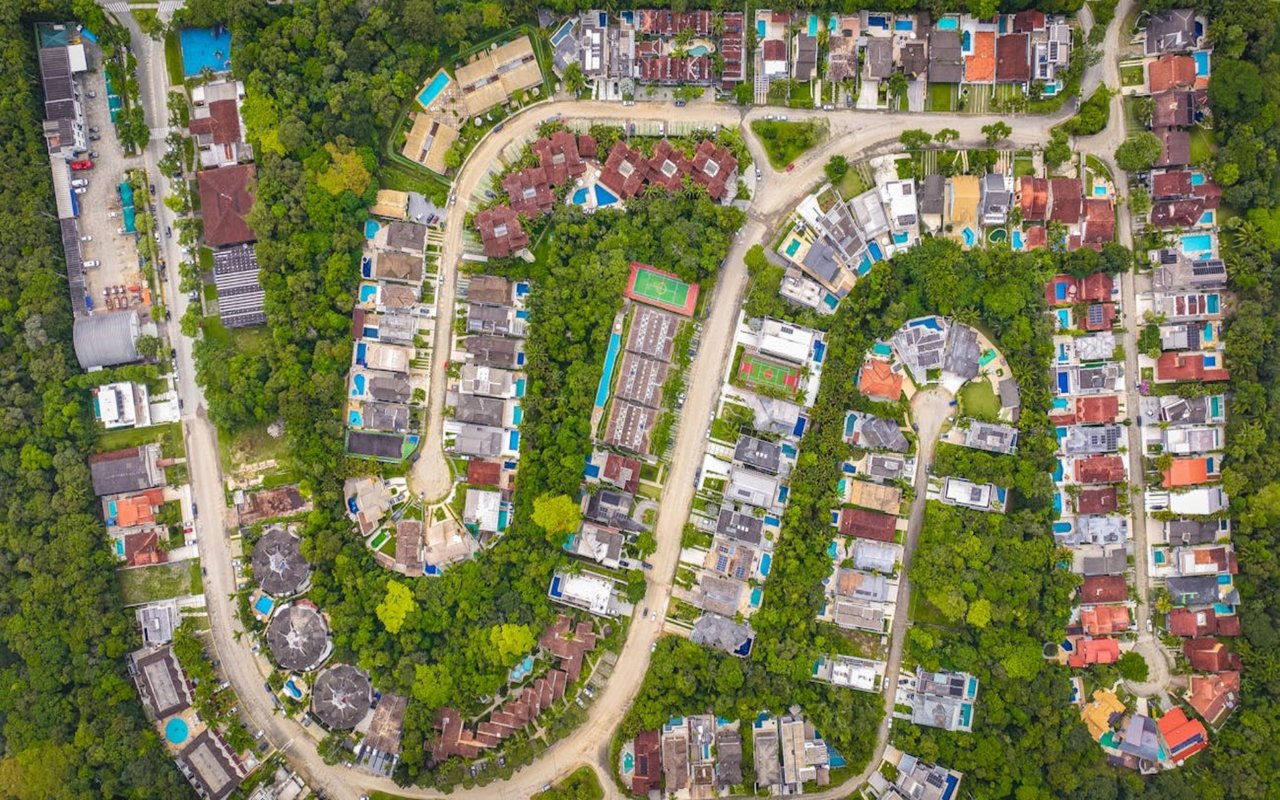
The shift to remote and hybrid work has led many people to move away from dense urban centers in favor of suburban or secondary markets. These areas offer more space, lower costs, and often a higher quality of life. In 2025, this trend is expected to persist as families and professionals seek homes that provide flexibility and comfort.
3. Rising Interest Rates and Their Impact
Interest rates have been a key factor in shaping the real estate market, and 2025 is no exception. With rates stabilizing but remaining higher than the historically low levels of previous years, buyers may face increased borrowing costs. This could lead to a cooling effect in some markets, particularly those where home prices have risen sharply.
4. Increased Use of Technology in Real Estate
Technology continues to revolutionize the real estate industry. Virtual tours, AI-powered property searches, and blockchain for secure transactions are becoming standard practices. Buyers and sellers alike are embracing these tools to streamline processes, improve transparency, and enhance decision-making.
5. Multifamily Housing and Co-Living Spaces
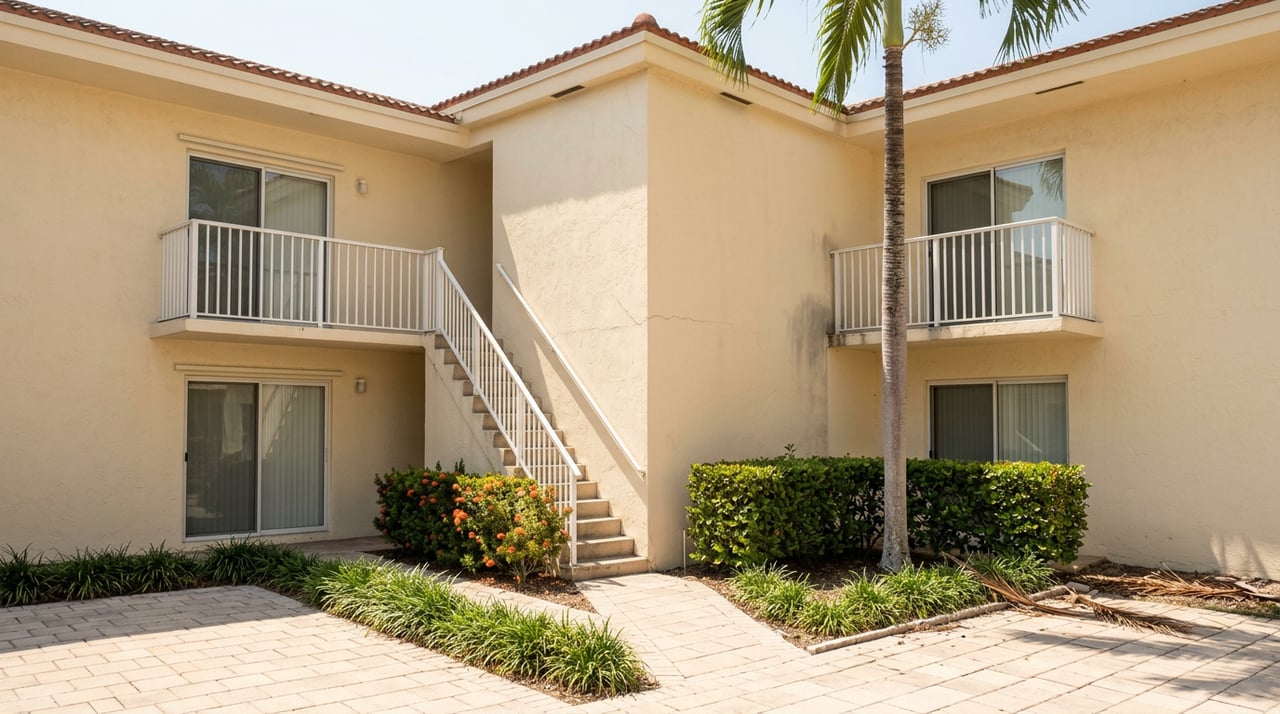
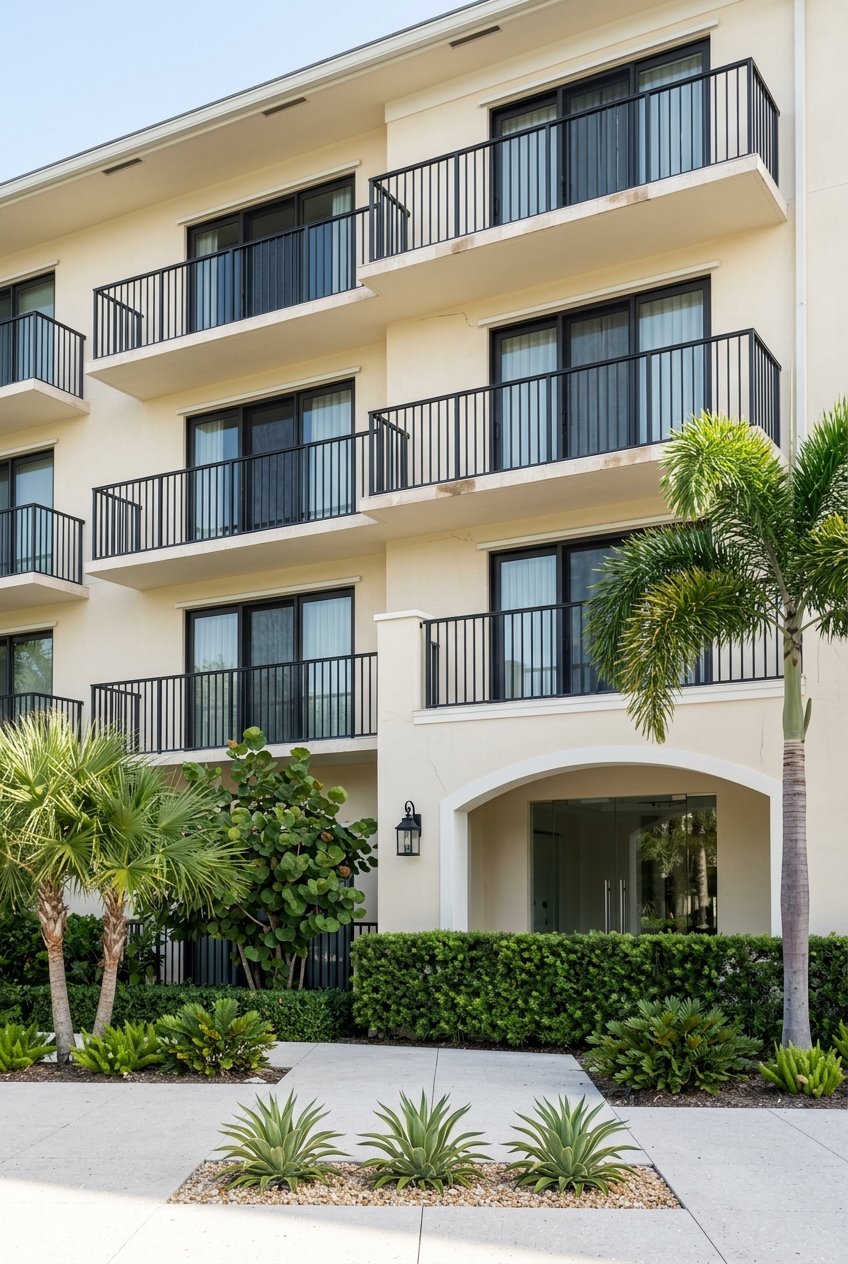
With affordability remaining a concern, multifamily housing and co-living arrangements are gaining traction. These options appeal to younger buyers and renters who prioritize community living and shared amenities. Developers are responding by building more multifamily units with modern designs and communal spaces.
6. A Focus on Affordability
Affordability remains a critical issue as home prices have outpaced wage growth in many areas. Local governments and developers are working to address this challenge by increasing the availability of affordable housing and exploring creative solutions like tiny homes and modular construction.
7. Resurgence of Luxury Real Estate
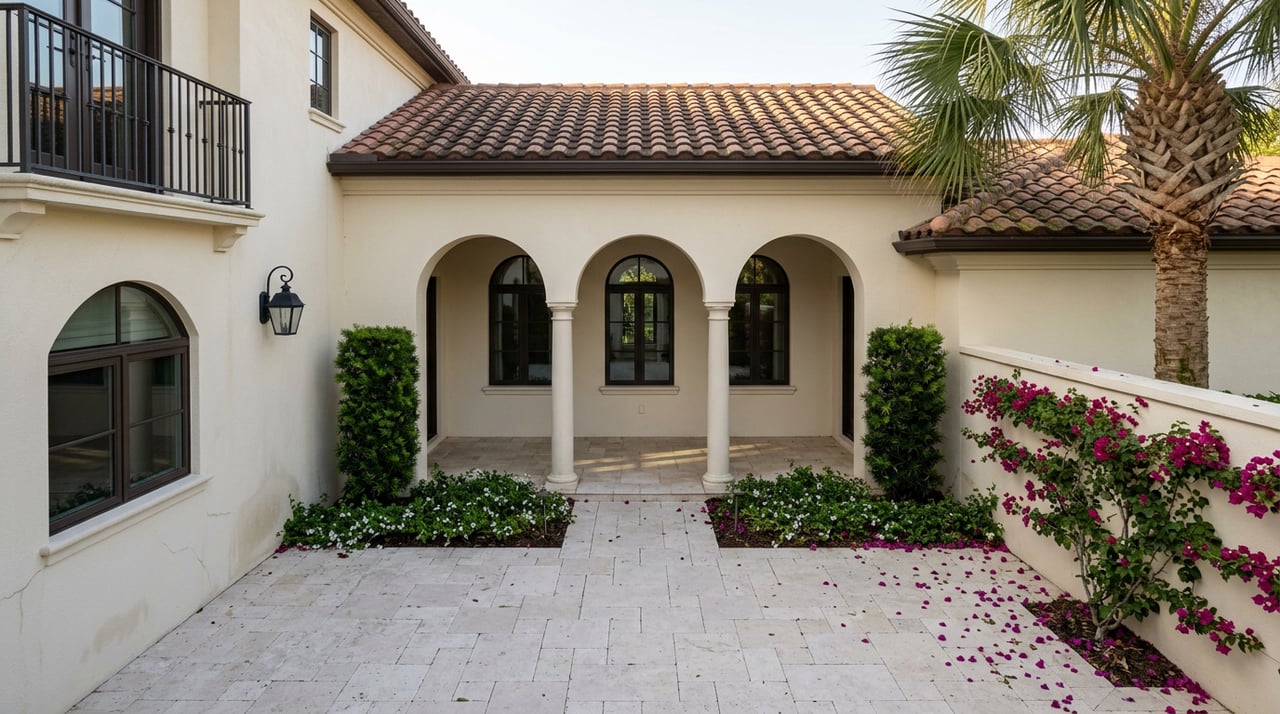
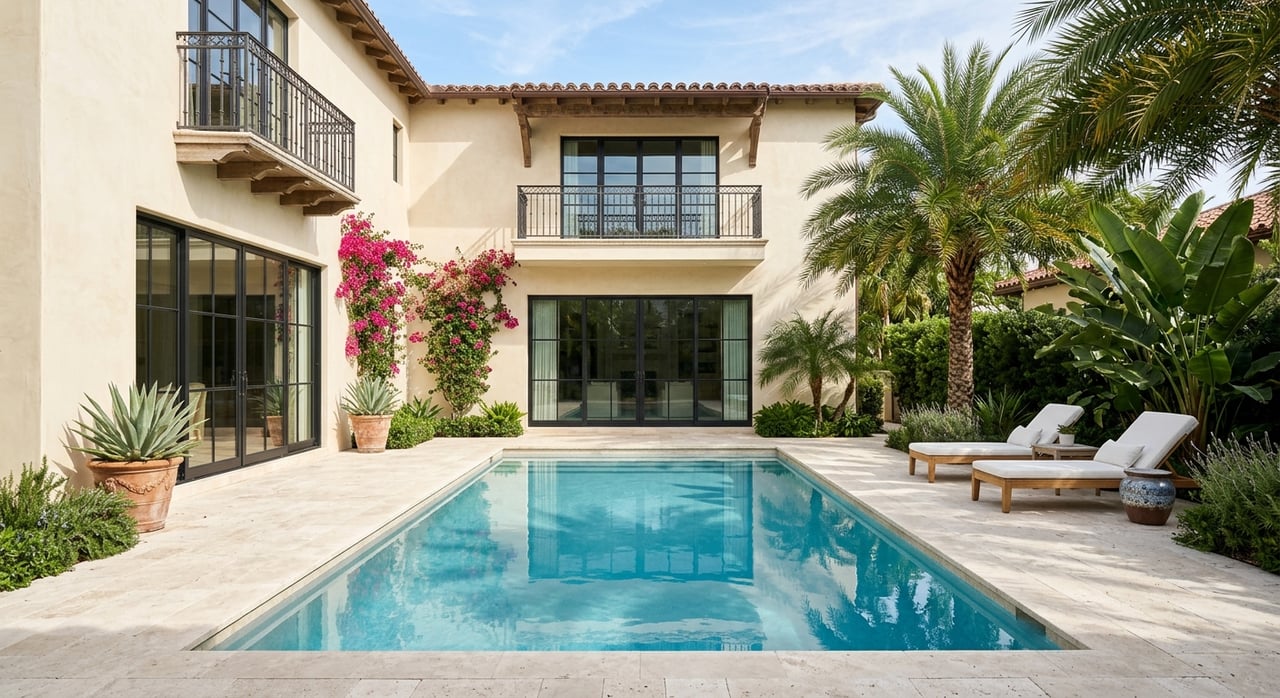
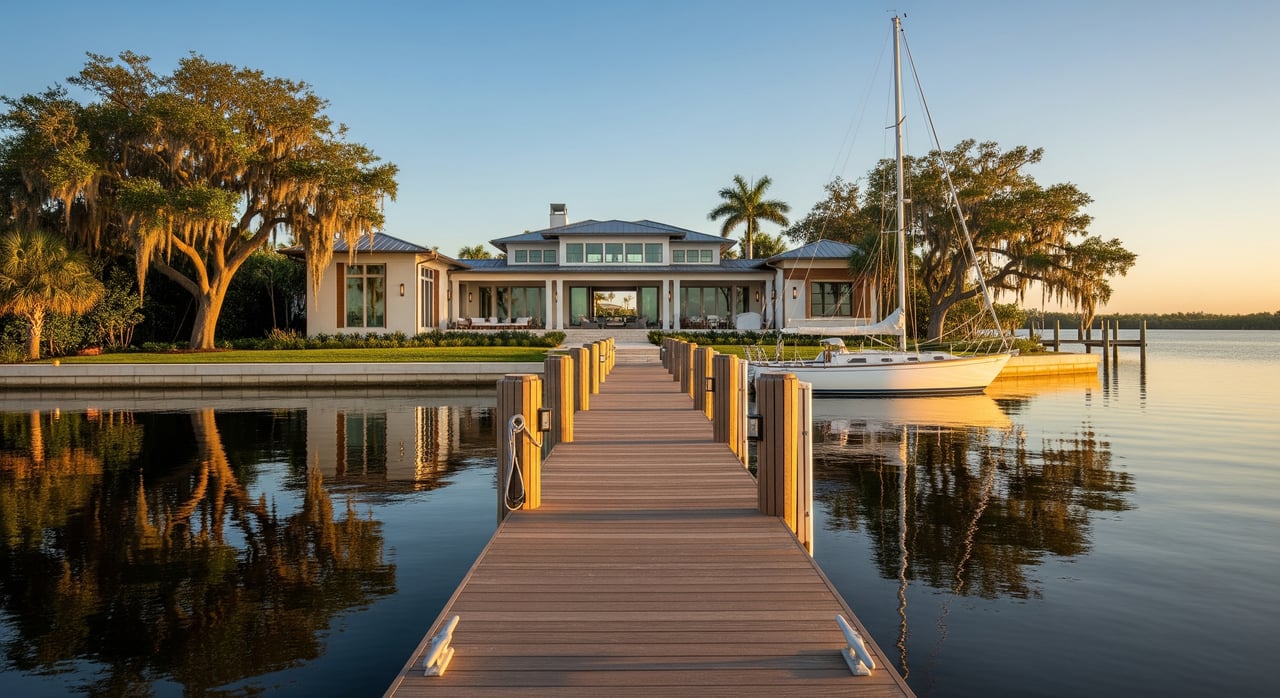
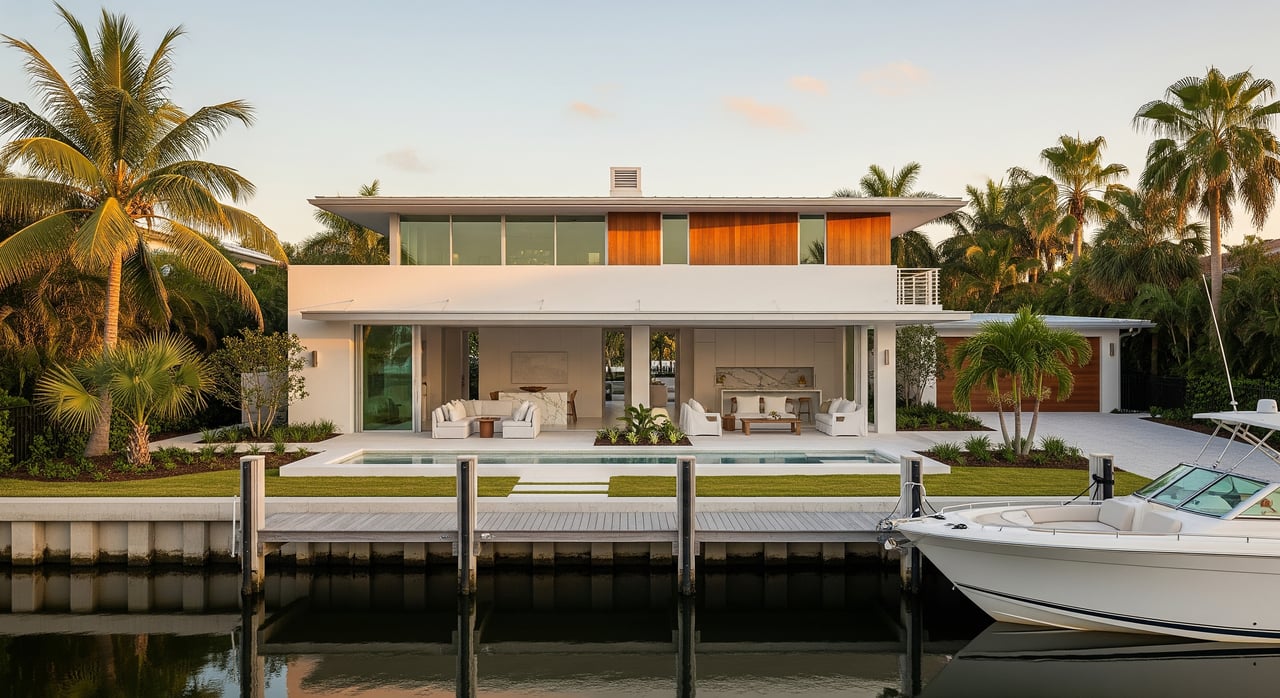
The luxury market is seeing renewed interest, particularly in high-end properties that offer unique features such as expansive outdoor spaces, home offices, and advanced smart home technologies. International buyers and investors are also contributing to the growth of this segment.
8. Increased Importance of Property Location
Location has always been a critical factor in real estate, but its significance is evolving. Proximity to amenities like parks, schools, and public transportation remains important, but buyers are also considering factors like climate resilience and access to high-speed internet as part of their decision-making process.
What This Means for You
Whether you’re planning to buy, sell, or invest in real estate, staying informed about these trends can help you navigate the market effectively. Buyers should consider long-term factors like sustainability and location, while sellers should highlight features that align with current demands. Investors, on the other hand, should look for opportunities in growing suburban areas, multifamily developments, and eco-friendly projects.
As the real estate market adapts to new challenges and opportunities, staying ahead of these trends will be key to success in 2025 and beyond.