Picture your perfect Saturday: you grab coffee on Main Street, hop on the Pinellas Trail for a breezy ride, meet friends for a craft beer, then stroll to Edgewater Park for a sunset over the marina. That easy, no-stress flow is why so many buyers are zeroing in on Dunedin’s walkable core. If you’re craving a lifestyle where errands, dining, and fun are minutes by foot or bike, this guide is for you.
You’ll learn what makes Dunedin uniquely walkable, how the trail and golf-cart culture shape daily life, what to expect from home prices, and smart checks before you buy. You’ll also see who this neighborhood tends to fit best. Let’s dive in.
What makes Dunedin walkable
Downtown core essentials
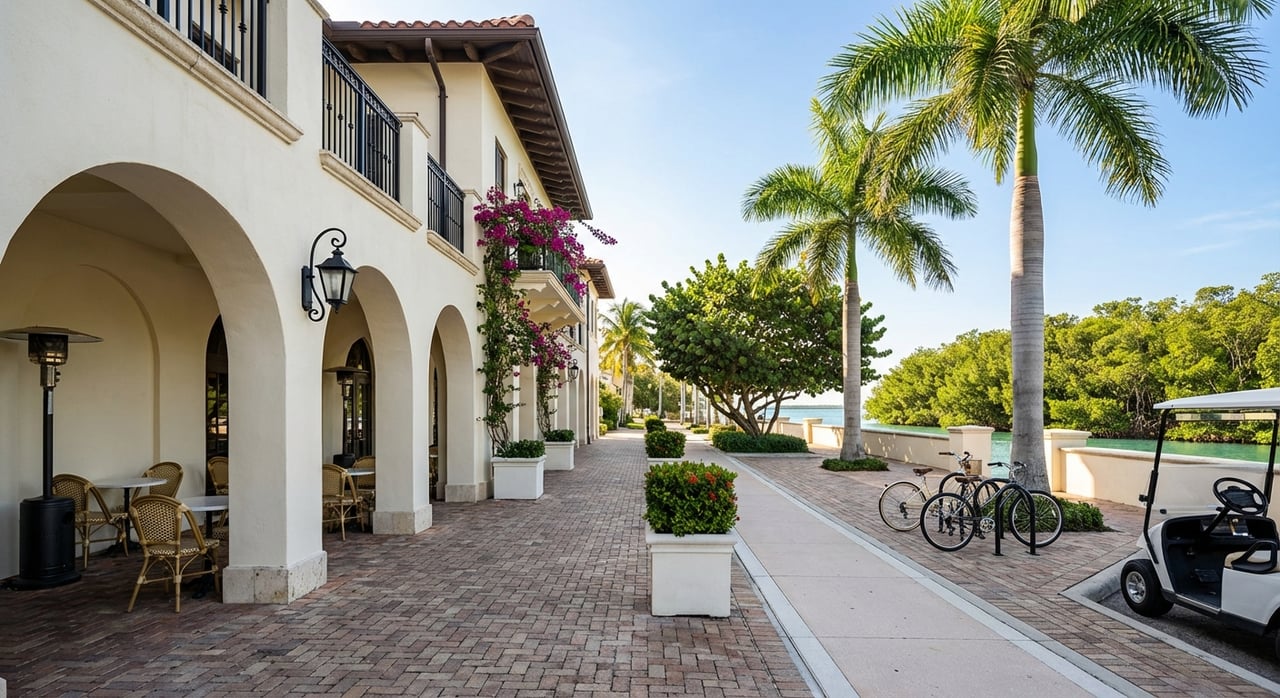
Dunedin’s downtown clusters shops, restaurants, breweries, markets, and parks along a short Main Street corridor that ends at the bay. That compact layout means you can park once, then walk everywhere. Weekly events and special festivals keep foot traffic steady and local businesses active. Check the latest happenings on the city’s event calendar through the downtown association for a feel of the year-round rhythm.
Pinellas Trail: the lifestyle spine
The Fred Marquis Pinellas Trail runs right through downtown, creating a safe, paved route for biking, walking, and rolling to shops and parks. Dunedin’s official designation as Florida’s first Trail Town highlights the trail’s role in local life and its positive economic impact on nearby businesses. Learn more about the trail and the Trail Town recognition through the Friends of the Pinellas Trail and the Florida DEP’s announcement.
Walk Score and everyday errands
Dunedin posts a citywide Walk Score in the mid-70s, which is considered very walkable. In plain terms, that means many daily errands can be done on foot in and around downtown and the Pinellas Trail. For bigger weekly shops or specialized errands, you may still choose to drive, but the walkable core covers a lot of day-to-day needs.
Golf-cart and micro-mobility culture
Where you can ride
Dunedin permits golf carts on many city streets posted 30 mph or less. Carts must follow state rules and can only cross certain larger roads at designated spots. They are not allowed on the Pinellas Trail or on sidewalks. The city also shares helpful information for low-speed vehicles (LSVs) if you’re considering a conversion.
Tips for safe, smooth cart living
- Confirm your route: review the city’s golf-cart guidance before you buy.
- Know the limits: stick to 30 mph streets and use designated crossings.
- Respect the trail: no carts on the Pinellas Trail or sidewalks.
- Think storage and charging: plan space at home just like you would for bikes.
Lifestyle anchors minutes from your door
Breweries and dining
Dunedin’s craft beer scene is a standout, with multiple breweries clustered near Main Street and the trail. That close spacing makes it easy to meet friends, sample a flight, and walk to dinner without driving. Explore the lineup of local favorites with this brewery guide to see how varied and walkable the scene really is.
Arts and festivals
From seasonal street events to gallery shows and classes, Dunedin keeps an active cultural calendar that pulls you out on foot. Check the downtown events calendar for markets and festivals, and visit the Dunedin Fine Art Center’s news page for updates on exhibitions and community programs.
Marina sunsets and nearby beaches
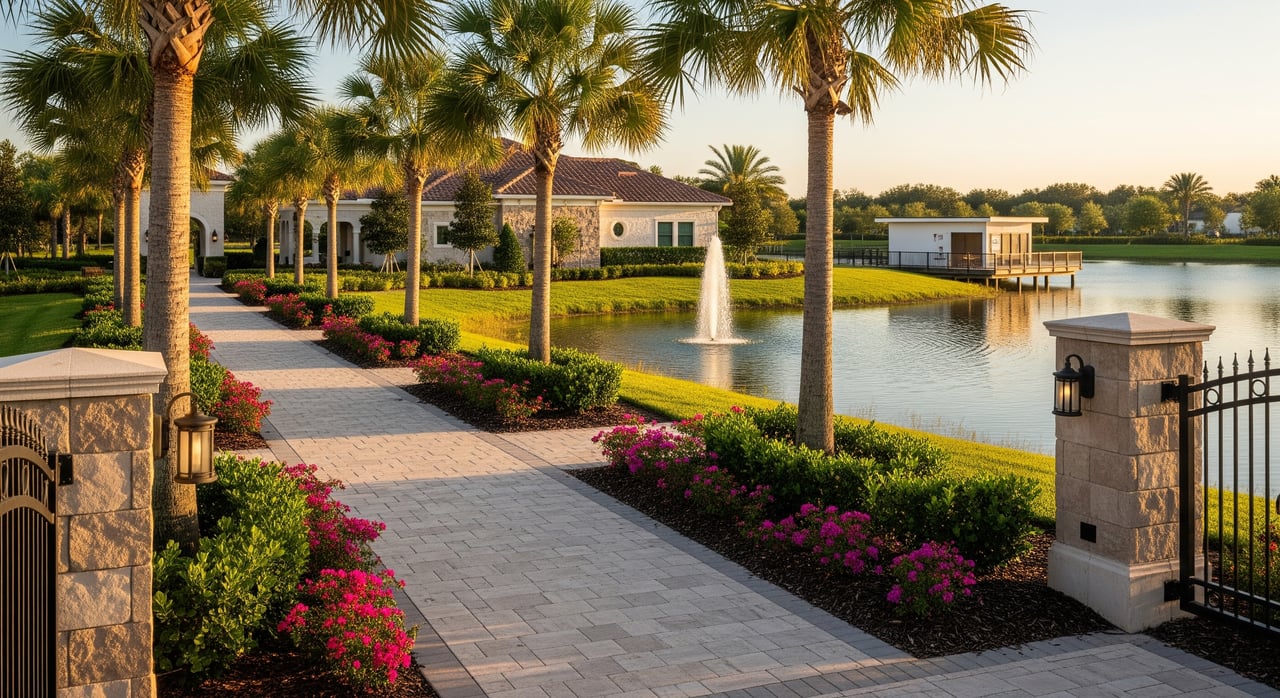
Edgewater Park and the Dunedin Marina anchor the west end of Main Street with a playground, pier, and open lawn for concerts and events. For beach days, Honeymoon Island State Park sits a short drive over the Dunedin Causeway and even connects by ferry to Caladesi Island. It’s a simple jump from walkable downtown life to classic Gulf water time.
Blue Jays spring training energy
TD Ballpark, home to Toronto Blue Jays spring training, sits a few blocks from downtown. Late February and March bring predictable spikes in visitors, which many locals enjoy as part of the vibe. The city manages permits and event parking during the season, so you can plan around game days with confidence.
What walkability means for home values
Snapshot of prices and why they vary
Recent market aggregators have reported different Dunedin figures due to methods and timeframes. As of late 2025 to early 2026, reported medians ranged from roughly the mid $300ks to the low $400ks, with a typical home value near the high $300ks. These numbers are a helpful pulse check, but the block-to-block picture tells the real story.
Where premiums show up
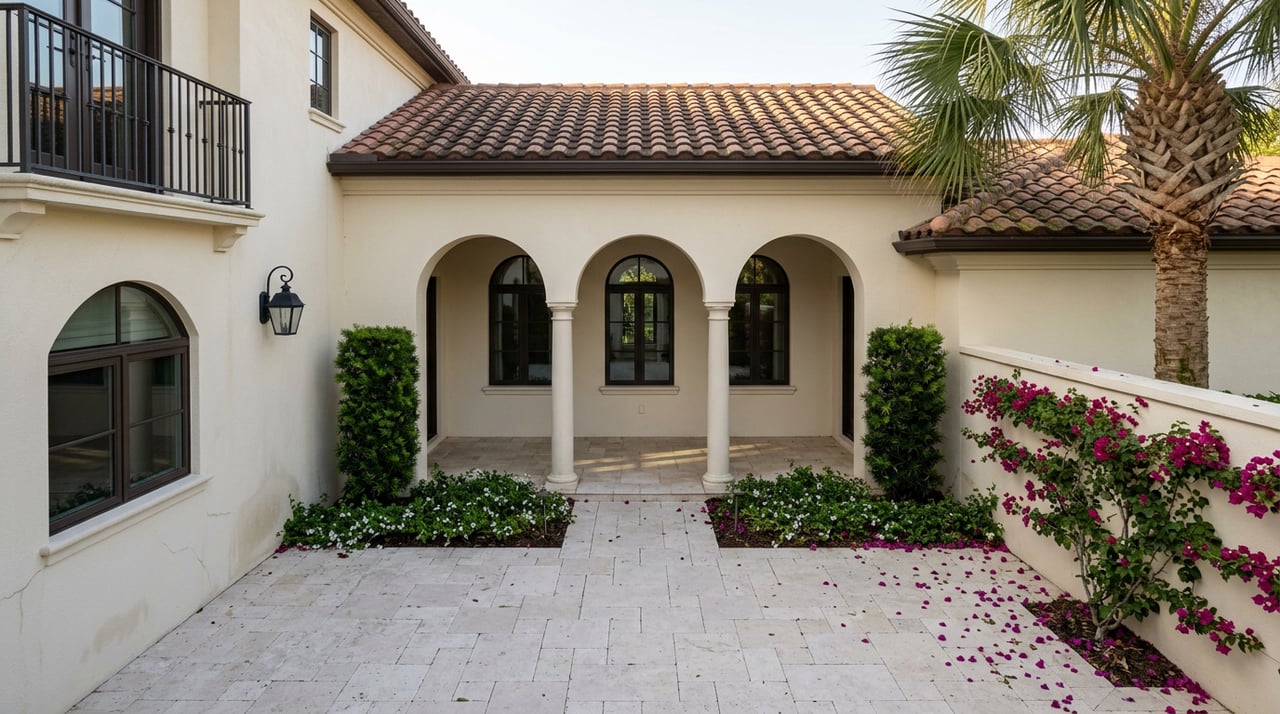
Downtown and waterfront areas often command notable premiums. In the walkable core, you’ll see renovated cottages, newer townhomes, and select condo buildings trade higher, especially near the trail or with water access. Because sales counts are smaller downtown, medians can swing with just a few high-end closings. Expect pricing to vary by lot, renovation quality, and whether a property sits on or near the water.
Typical property types and local ranges
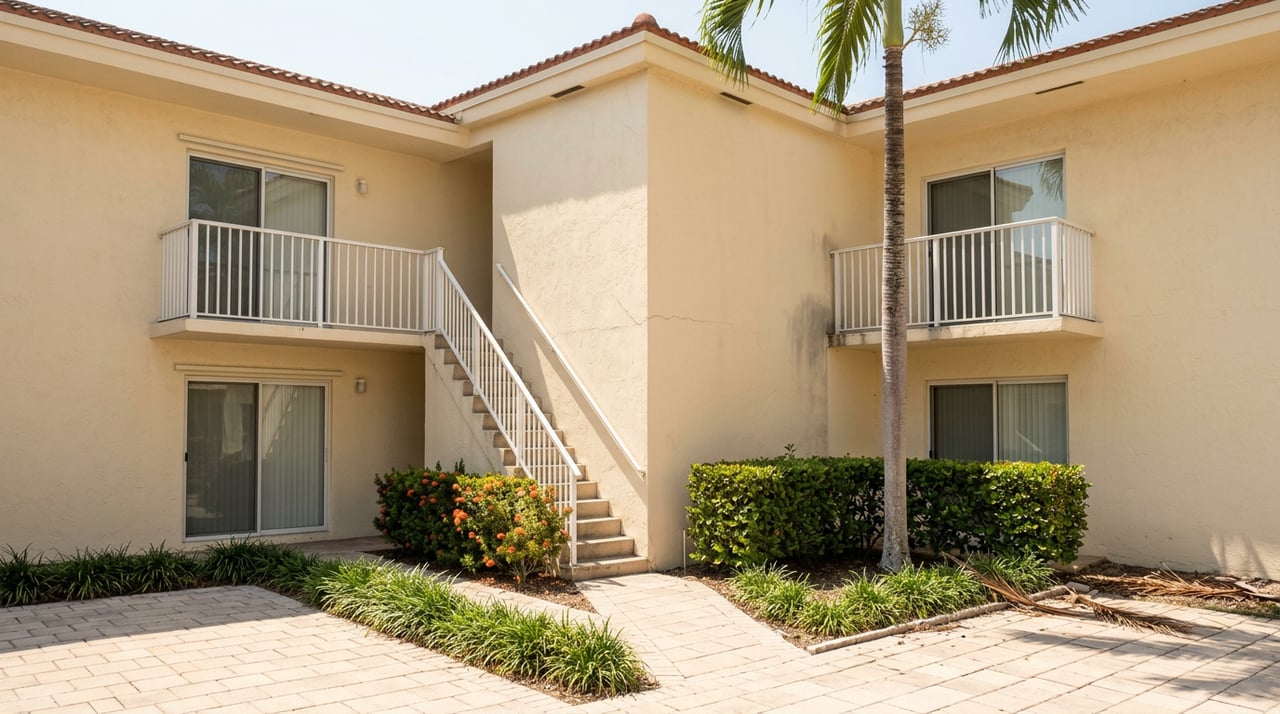
- Condos and townhomes near downtown and the trail: smaller floor plans often begin in the low-to-mid $200ks, with newer townhomes or waterfront condos reaching well above that.
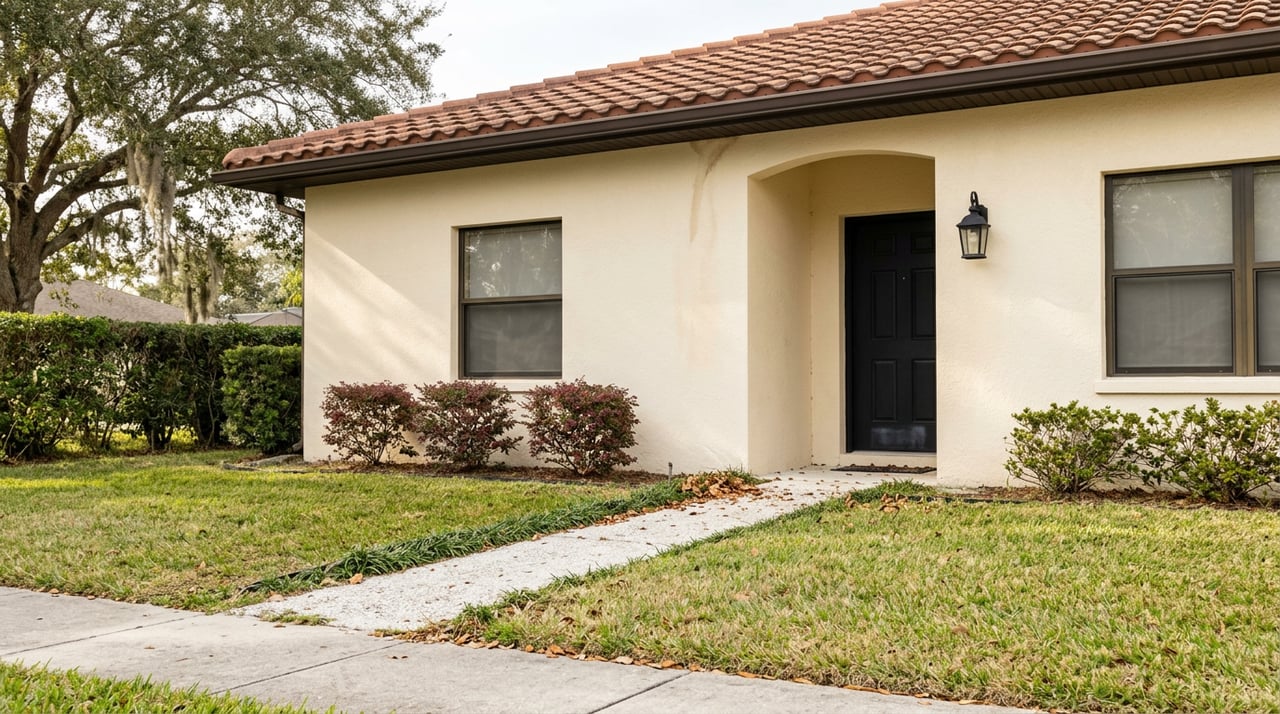
- Inland single-family homes, non-waterfront: a broad mid-market band commonly spans the $300k to $600k range depending on size, lot, and condition.
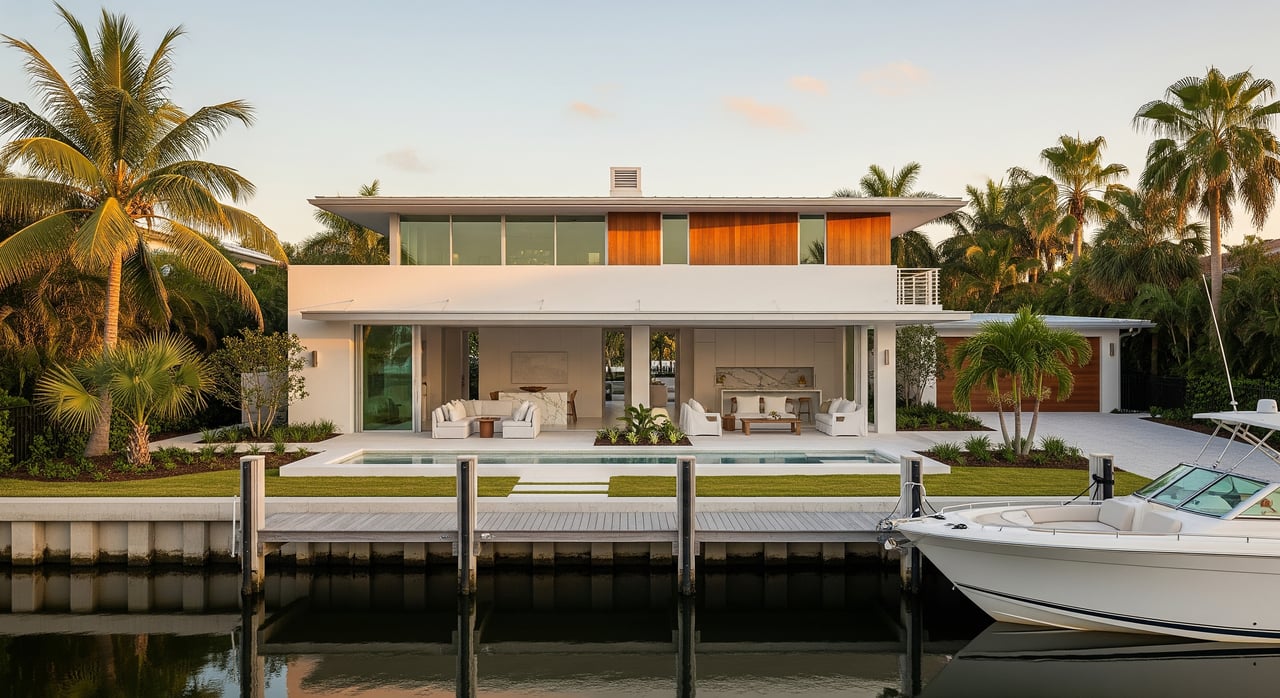
- Waterfront and bay-access homes: significant premiums over citywide figures are common. If you want both walkability and direct water access, plan for a higher price point.
Why walkability helps resale
Planning and real estate research has repeatedly shown that walkable neighborhoods with clustered services tend to see stronger demand and higher values. Dunedin’s Trail Town recognition and thriving retail along the Pinellas Trail offer a local example of how trails and a connected main street support a healthy, resilient market.
Is Dunedin the right fit?
If you see yourself here, you probably value experiences over long drives. Dunedin’s walkable core often fits:
- Retirees and downsizers who want a lively, low-maintenance lifestyle close to dining, arts, and parks.
- Professionals and relocators who prefer biking the trail, using a golf cart for short trips, and living near year-round events.
- Buyers who prioritize breweries, cafes, markets, and waterfront sunsets over big yards and long commutes.
Practical checks before you buy
Errands without a car
Downtown’s compact grid and the Pinellas Trail make daily coffee runs, dinners, and social plans easy on foot or bike. The overall Walk Score sits around 74, which supports regular car-light living. For bulk grocery trips or specialty errands, plan to use a car or delivery.
Flood risk and insurance
Coastal communities have evolving flood mapping, and updates can change building requirements or insurance costs. Before you submit an offer, review current guidance and talk to your insurer. This overview of new Pinellas County flood maps is a helpful starting point. Ask for elevation certificates during due diligence and discuss options with your agent and lender.
Parking and event seasons
Downtown’s biggest crowds land during festivals and spring training. The city runs event parking and residential permit programs to keep things manageable. If you’re sensitive to weekend buzz, focus your home search a few blocks off the main routes or plan your visitor parking around big game days.
The quick cart checklist
- Verify your daily routes follow 30 mph streets and designated crossings.
- Confirm storage and charging at the property.
- Review the city’s cart and LSV guidance and ask your insurer about coverage.
- Remember: no carts on the Pinellas Trail or sidewalks.
Ready to make Dunedin’s walkable lifestyle your own? Reach out to schedule tours near Main Street, along the trail, or close to the marina. With local guidance and smart prep, you can find the right home at the right price and start living the way you want. To get started, connect with Jenny Neumeyer. Let’s chat — find homes or sell with confidence.
FAQs
Is Dunedin, FL actually walkable for daily life?
- Yes. The downtown core and blocks around the Pinellas Trail support many errands on foot, with a citywide Walk Score in the mid-70s.
How does the Pinellas Trail in Dunedin affect home value?
- The trail boosts access and foot traffic for nearby businesses and amenities, and Trail Town recognition reflects its positive local impact on demand.
Where can you drive a golf cart in Dunedin?
- You can use carts on city streets posted 30 mph or less and cross larger roads only at designated points. Carts are not allowed on the Pinellas Trail or sidewalks.
What should I expect living near TD Ballpark during spring training?
- Late February and March bring bigger crowds and parking controls, but the city manages permits and event parking to reduce friction for residents.
How close are beaches to downtown Dunedin?
- Honeymoon Island State Park is a short drive over the Dunedin Causeway, with ferry access to Caladesi Island and easy bayfront time at Edgewater Park.
What flood and insurance steps should Dunedin buyers take?
- Review updated county flood information, request elevation certificates, and consult your insurer and lender early to understand coverage and costs.