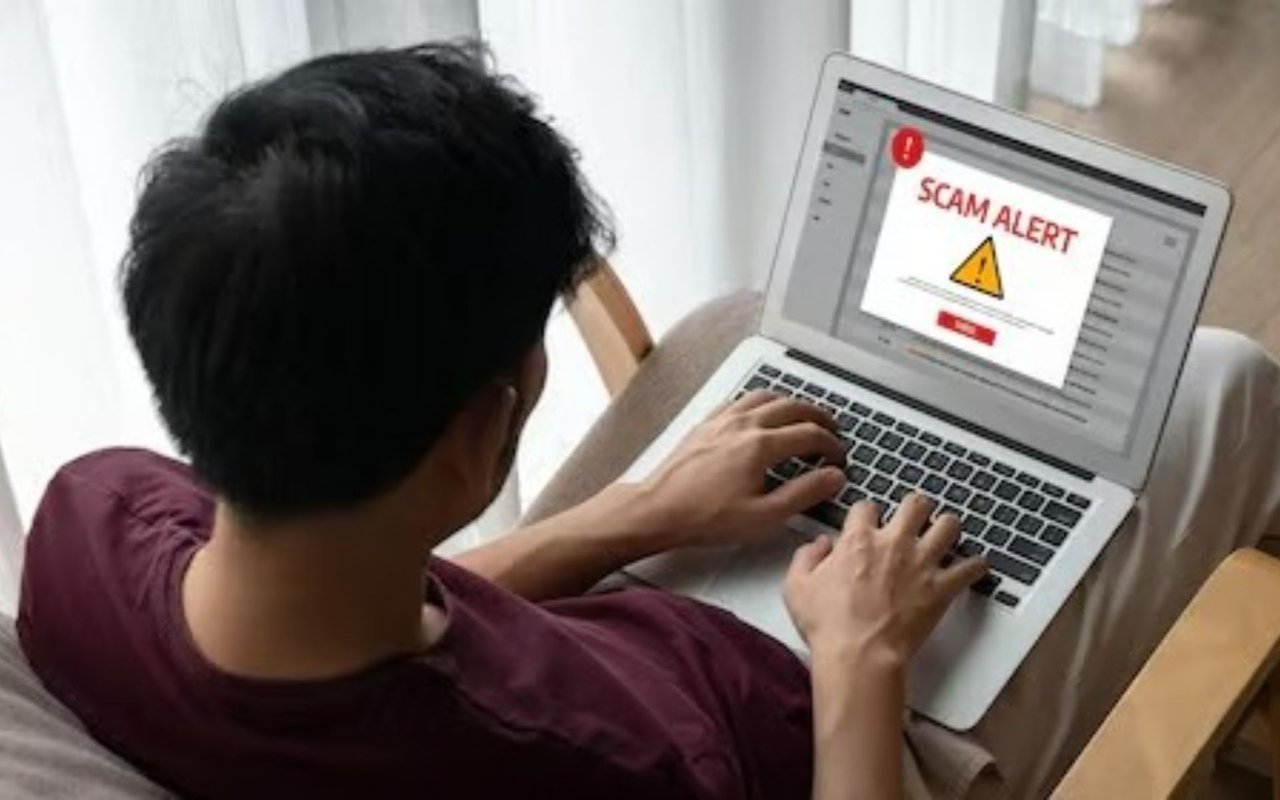
In the ever-evolving landscape of real estate transactions, wire fraud has emerged as a significant threat, particularly targeting first-time homebuyers. According to a recent report by CertifID, these buyers are three times more likely to fall victim to such scams compared to seasoned purchasers.
The Anatomy of a Scam
Wire fraud in real estate often involves cybercriminals intercepting communication between buyers and legitimate parties like real estate agents or title companies. By impersonating these trusted entities, scammers provide fraudulent wiring instructions, diverting funds meant for home purchases into their own accounts.
A notable case highlighted a young first-time buyer who lost a $30,000 down payment after a scammer mimicked her title company. It took two years to recover the funds, underscoring the devastating impact such fraud can have.
Why First-Time Buyers Are Vulnerable
Several factors contribute to the susceptibility of first-time homebuyers:
- Inexperience: Unfamiliarity with the home-buying process makes them less likely to recognize red flags.
- Multiple Parties Involved: The involvement of various stakeholders—agents, lenders, title companies—can create confusion .Florida Realtors
- Digital Communication: Reliance on email and text messages increases exposure to phishing attempts.
CertifID’s report indicates that one in four consumers receive suspicious messages during real estate transactions, and one in twenty fall victim to scams.
Proactive Measures for Buyers and Professionals
For Homebuyers:
- Verify Instructions: Always confirm wiring instructions through a known, trusted phone number.
- Be Skeptical of Changes: Treat any sudden changes in payment instructions as potential fraud.
- Use Secure Channels: Avoid sending sensitive information over unsecured email.
- Report Suspicious Activity: If fraud is suspected, report immediately to IC
For Real Estate Professionals:
- Educate Clients: Provide clear information about the risks of wire fraud and how to avoid it.
- Implement Verification Protocols: Establish procedures for confirming payment instructions.
- Collaborate with Secure Partners: Work with title companies and attorneys who prioritize secure communications.
Notably, 35% of buyers expect real estate agents to educate them about wire fraud risks, and 80% would prefer agents who prioritize transaction security, even at a higher cost.
Conclusion
As wire fraud continues to threaten the real estate industry, awareness and proactive measures are crucial. By staying informed and utilizing available resources, both buyers and professionals can work together to create a secure transaction environment.