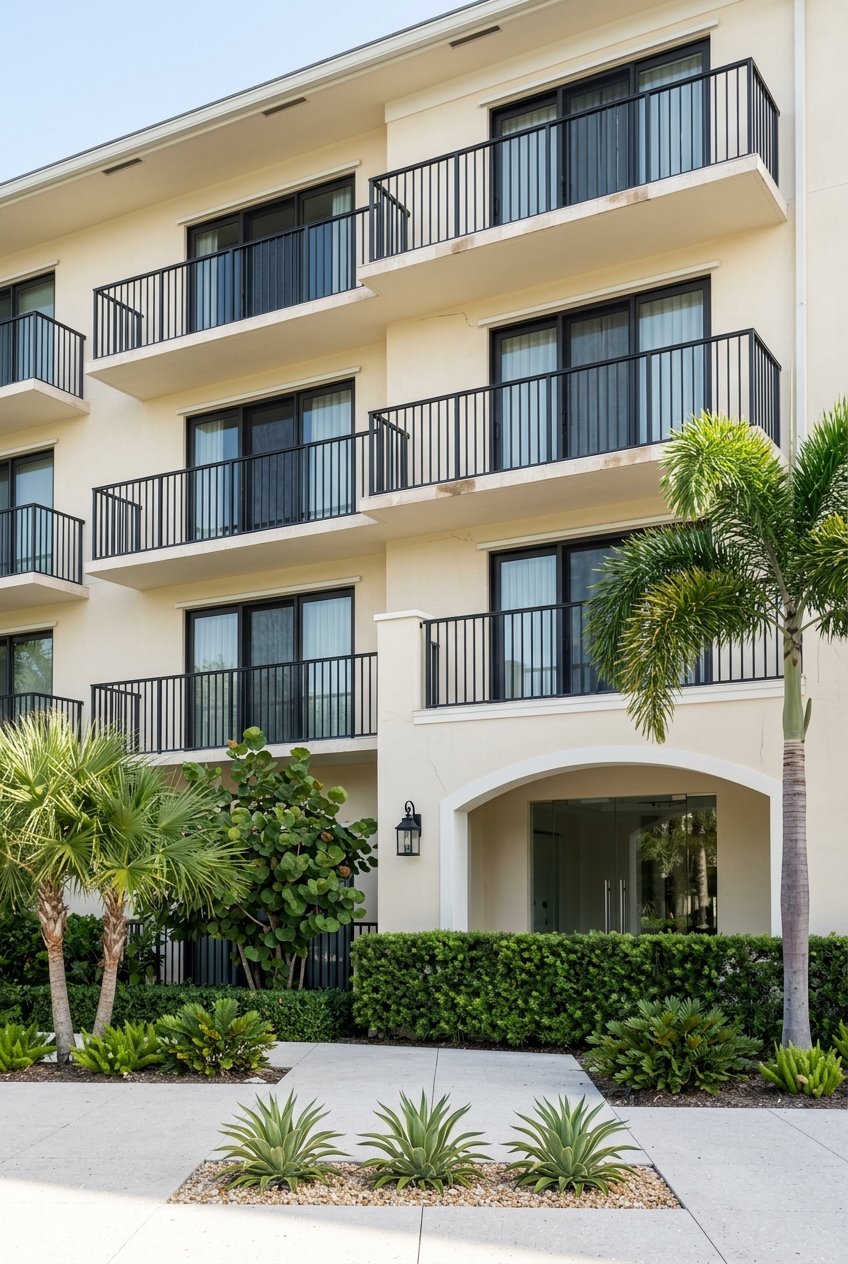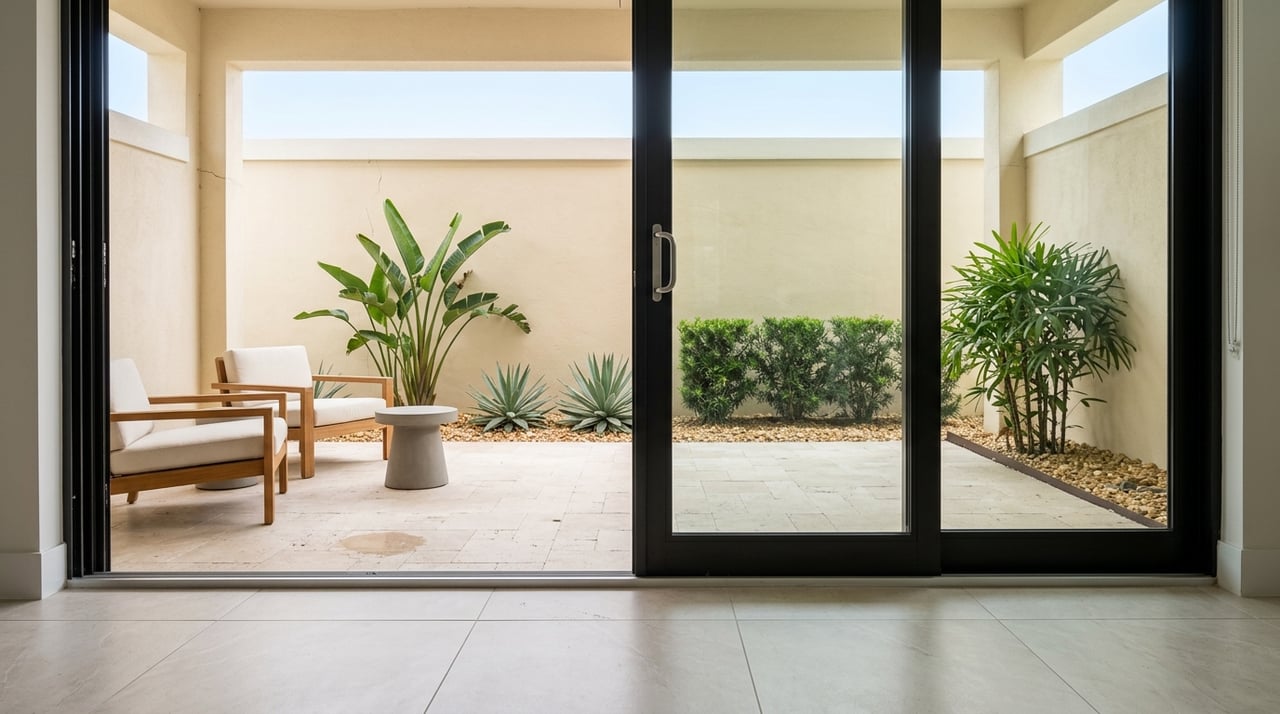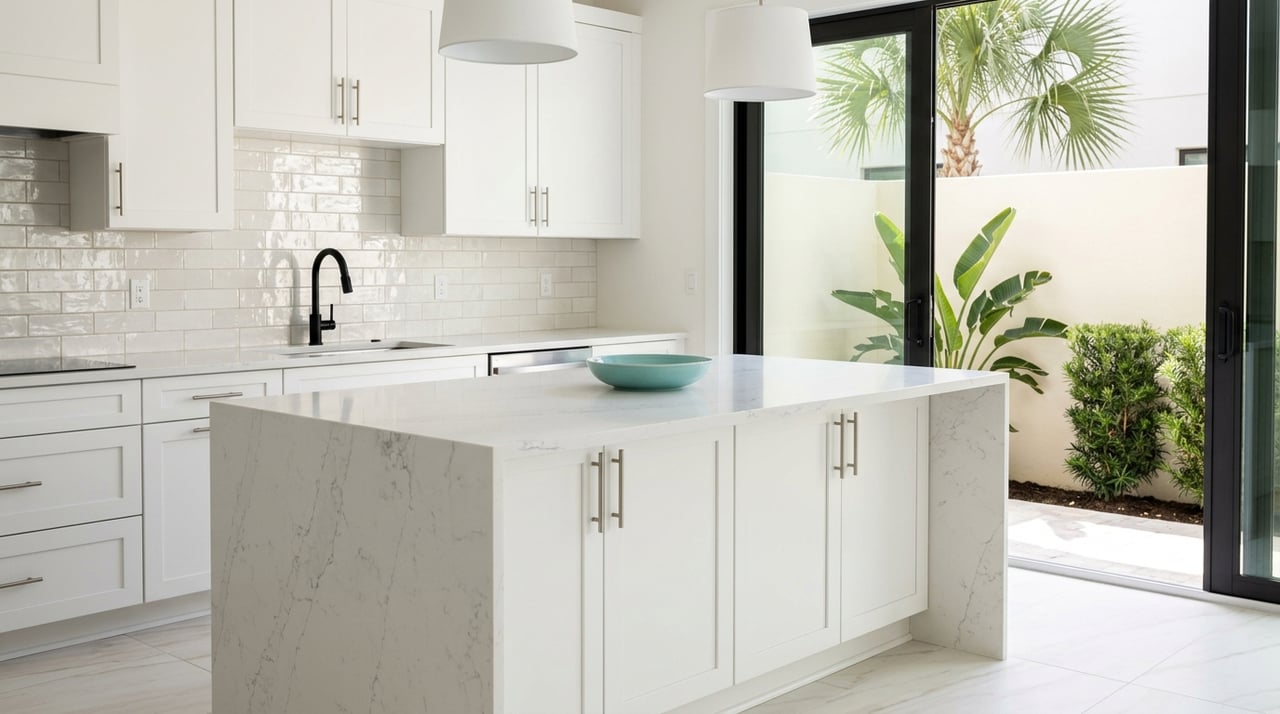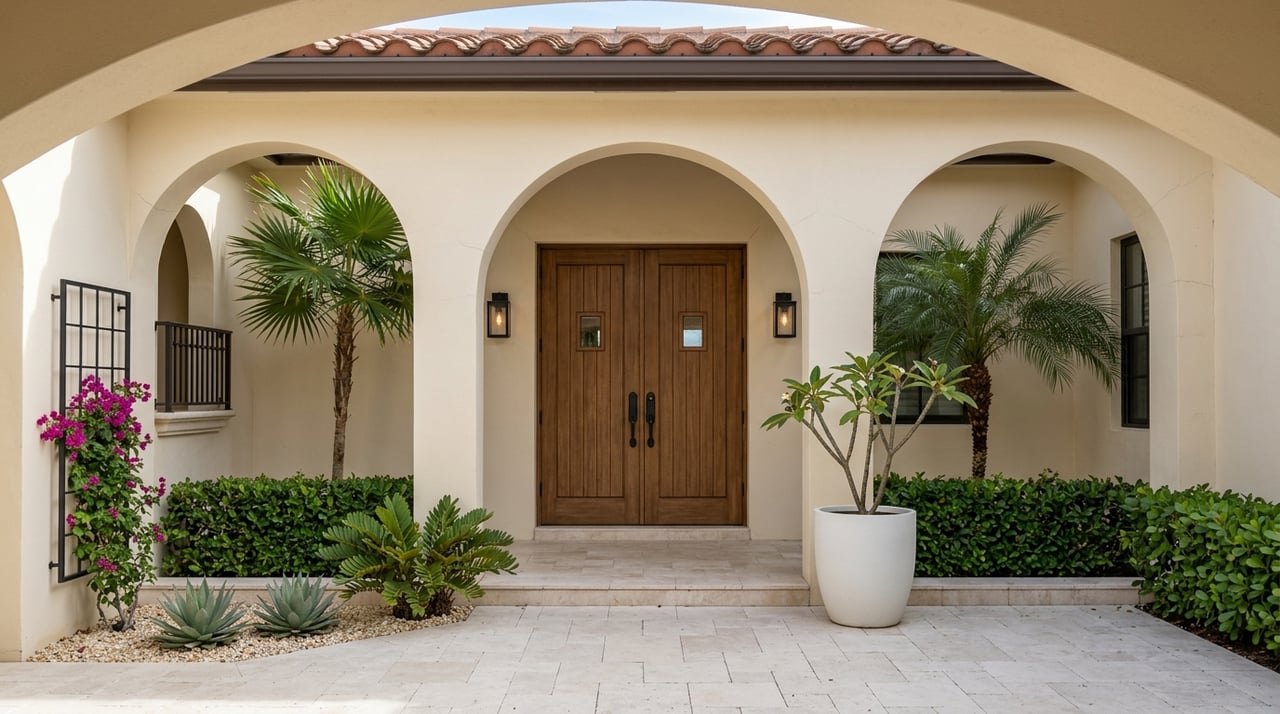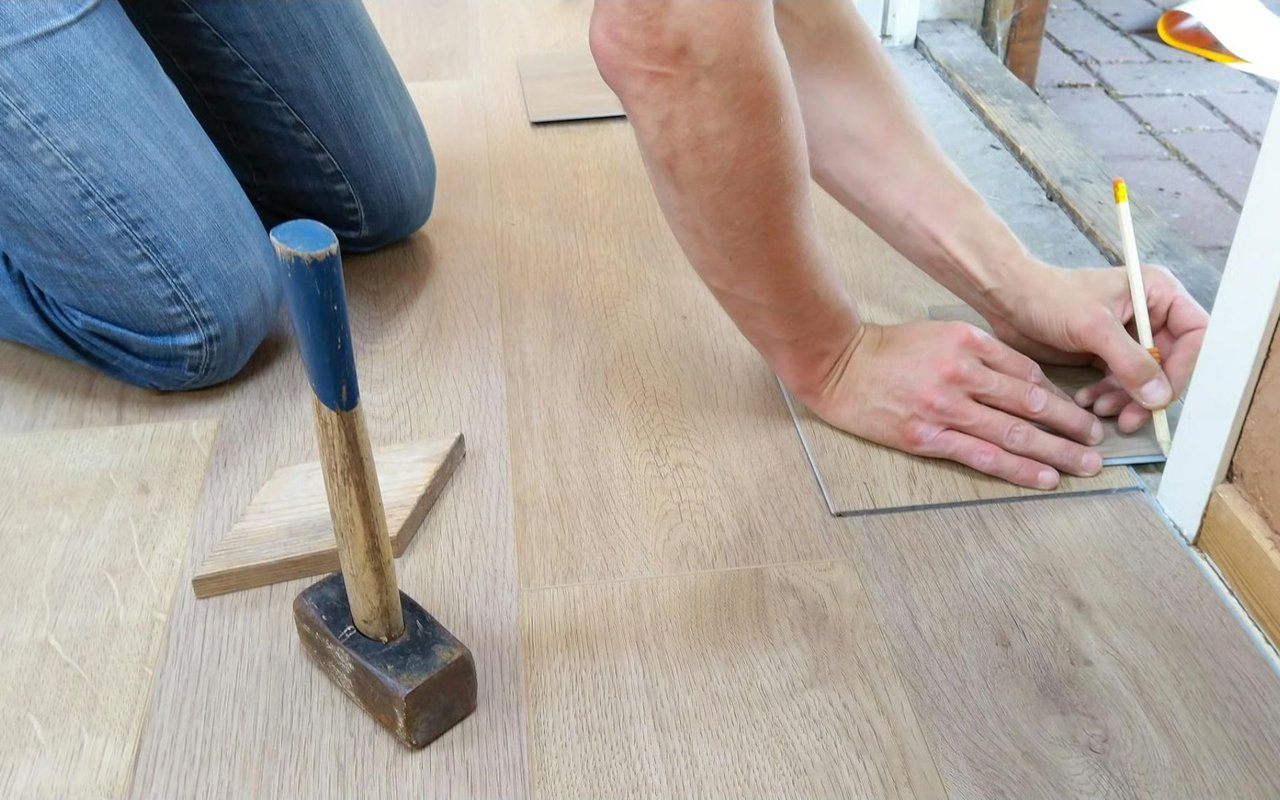
Thinking about sprucing up your home? Whether you’re adding extra living space, installing a new fence, or giving your pool area a makeover, it’s important to know one key step before you start swinging a hammer: permits.
In Florida—especially here in Pinellas County—many home projects require official approval from the county or your local city building department. It may feel like extra red tape, but permits protect you, your family, and your investment. They make sure the work meets safety standards, aligns with building codes, and won’t cause issues when you eventually sell your home.
So, what kinds of projects usually require a permit? Let’s break it down.
1. Structural Changes and Additions
If you’re changing the footprint or bones of your house, you’ll almost always need a permit.
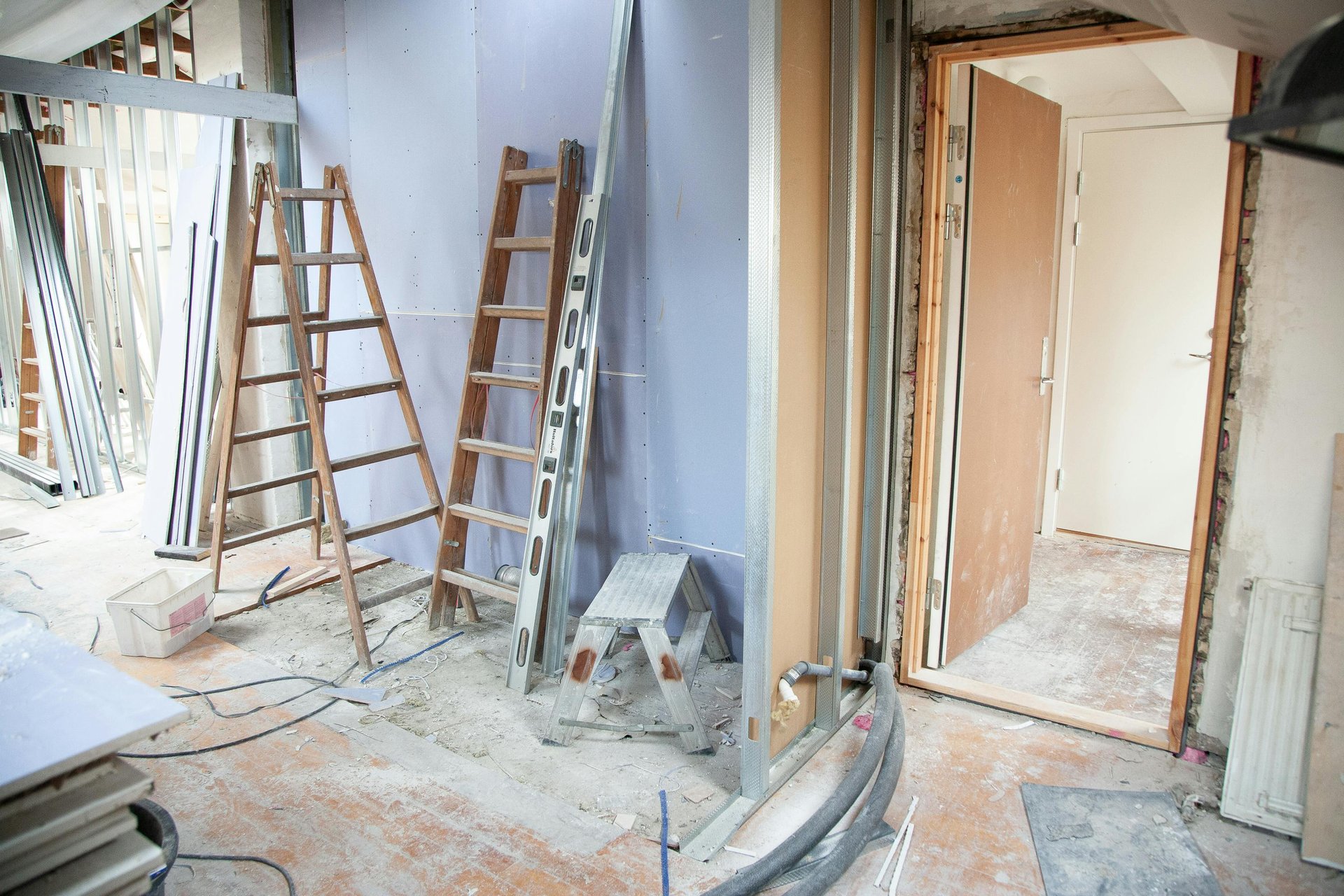
- Room Additions – Adding a new bedroom, expanding your kitchen, or building a sunroom? These projects affect the structure, so you’ll need plans approved and inspections scheduled.
- Garage Conversions – Turning a garage into livable space is a big deal in Florida. With our hot summers, ensuring proper insulation and ventilation is key. Permits help guarantee it’s done safely.
Removing Walls – Open-concept layouts are popular, but knocking down a load-bearing wall without approval could compromise your home’s stability. A permit ensures an engineer signs off on the work.
Photo by Rene Terp on Pexels
2. Electrical Upgrades
Electricity is not something to DIY without oversight.
- New Wiring or Outlets – Adding more outlets or installing recessed lighting usually requires a permit.
- Service Panel Upgrades – If your home still has an outdated electrical panel, upgrading is a smart move—but it must be inspected to confirm it meets current code.
Whole-Home Generators – A great idea during hurricane season, but these installations require approval to ensure safe connections.
3. Plumbing Work
Plumbing is another area where hidden mistakes can turn into expensive repairs.
- Bathroom Remodels – Moving or adding sinks, tubs, or toilets will usually require a permit.
- Water Heater Installation – Florida building code requires proper ventilation and connections for safety.
Sewer Line Work – Any replacement or rerouting of lines requires county approval.
Photo by Max Vakhtbovycn Pexels

4. HVAC Changes
Florida homes live and breathe air conditioning. If you’re upgrading or changing your HVAC system, you’ll likely need approval.
- New System Installations – Installing a new AC or heating unit requires inspection to confirm energy efficiency and safety.
Ductwork Modifications – Even something that seems minor, like rerouting ducts, usually needs a permit in Pinellas County.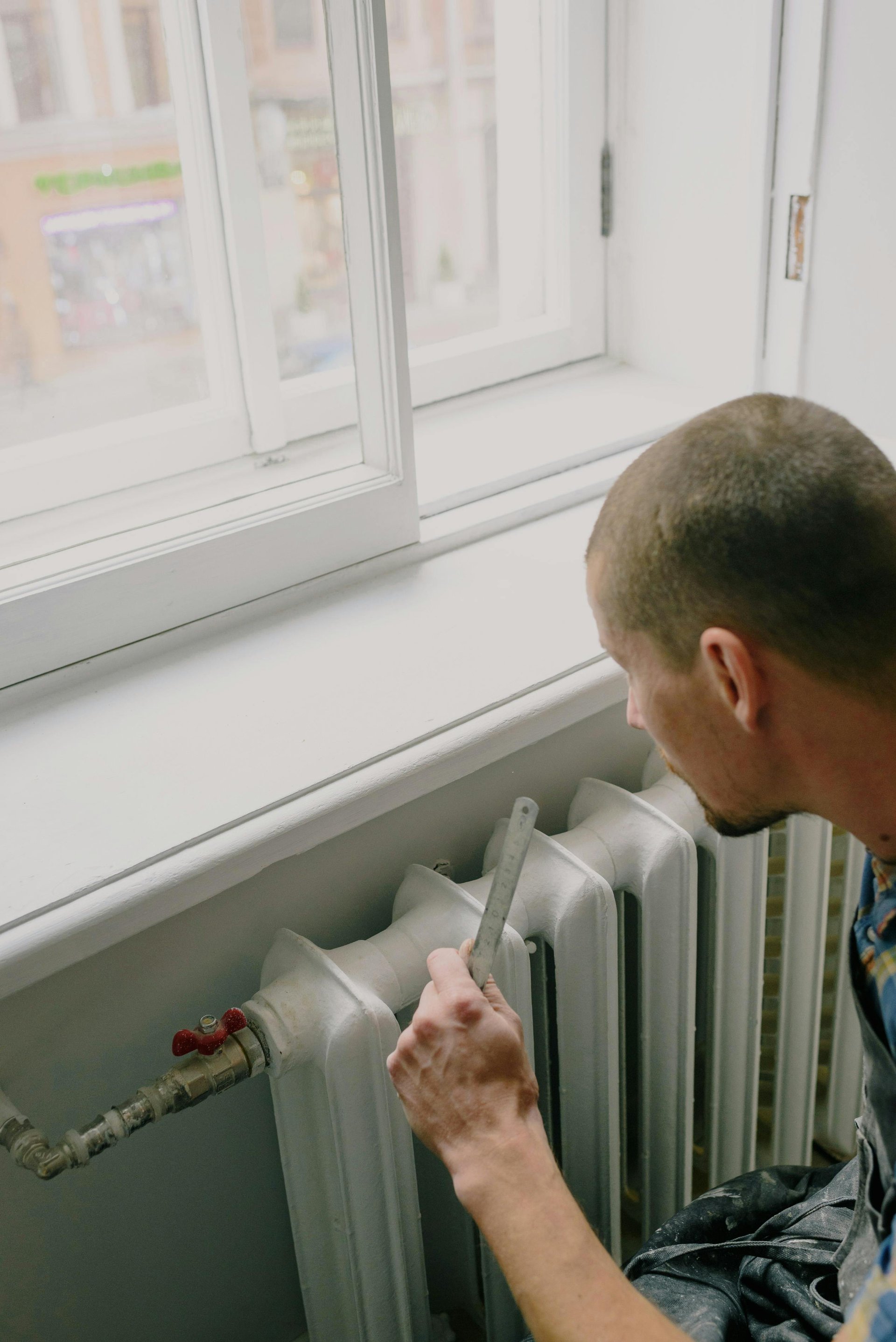
5. Exterior Projects
Permits don’t just apply inside your home. Outdoor projects also fall under the rules.
- Fences – Height, material, and placement are regulated differently by each municipality. Even a small fence may require a permit, especially in flood-prone areas.
- Decks and Patios – If you’re building a raised deck or adding a screened enclosure, you’ll need approval to ensure it’s structurally sound.
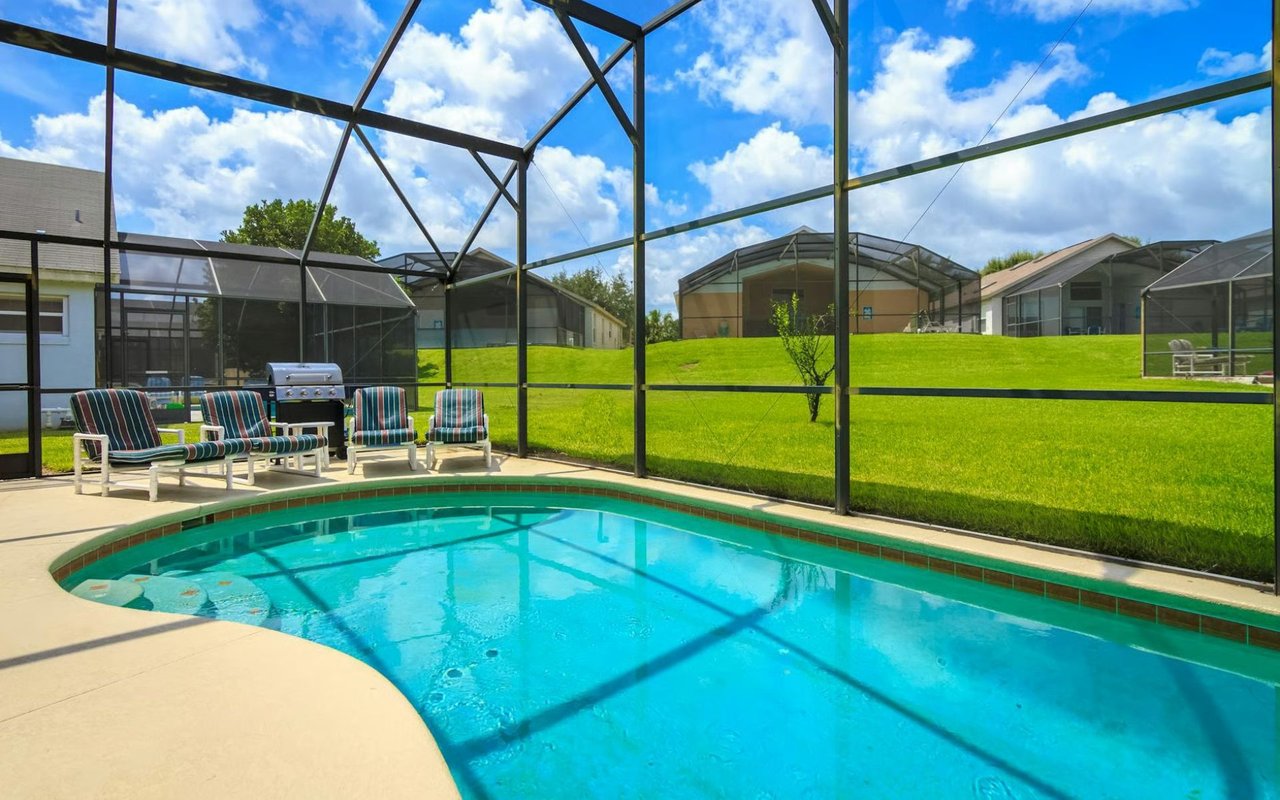
Pools and Spas – Whether in-ground or above-ground, pools always require permits here. Safety fencing and proper electrical hookups are non-negotiable.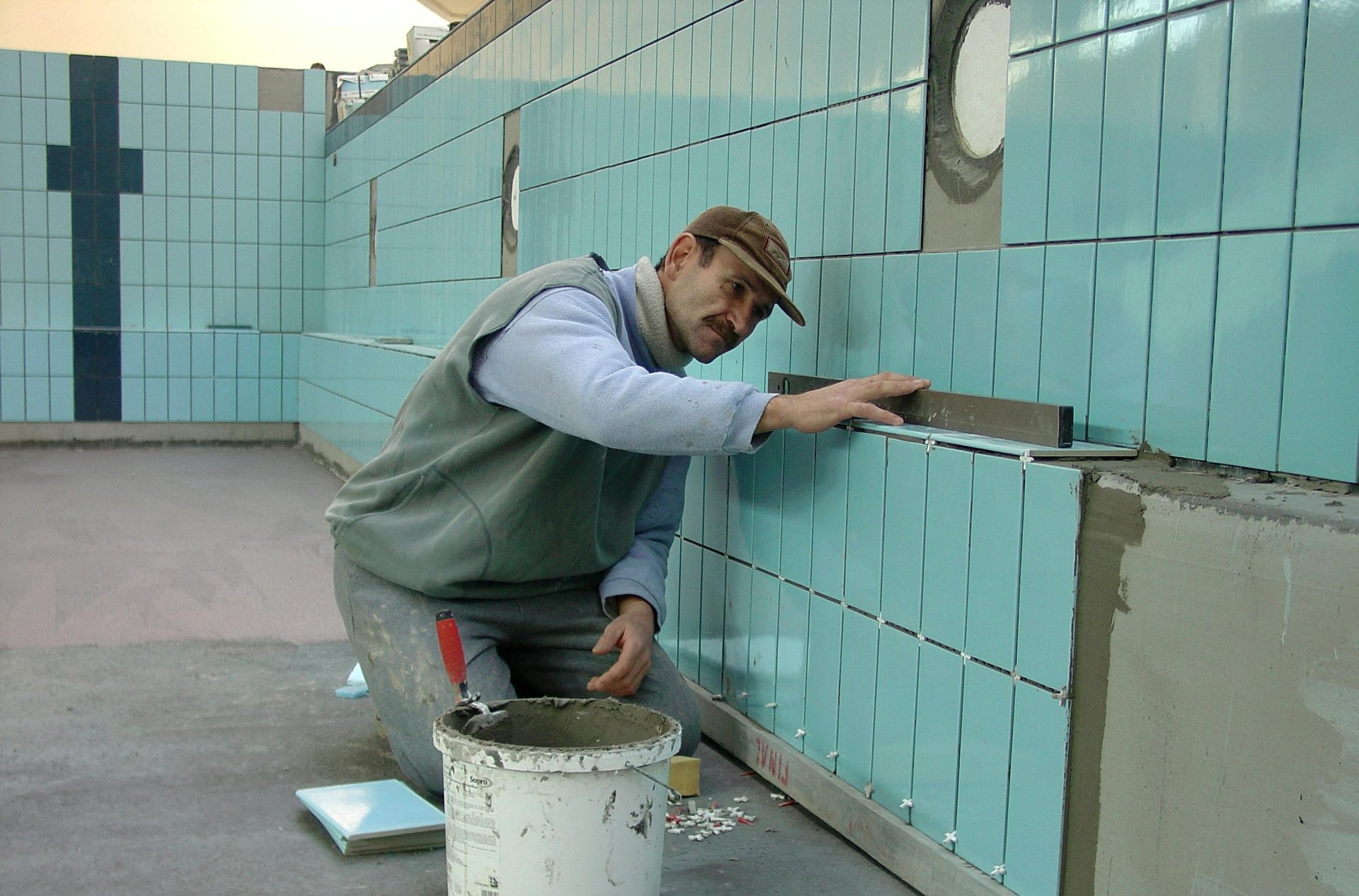
6. Roofing Projects
With Florida’s weather, roof work is common—but also highly regulated.
- New Roofs and Major Repairs – Permits ensure contractors use approved materials that can withstand our wind and storm conditions.
Solar Panels – More homeowners are going green, but solar installations need permits to ensure safe roof attachment and electrical integration.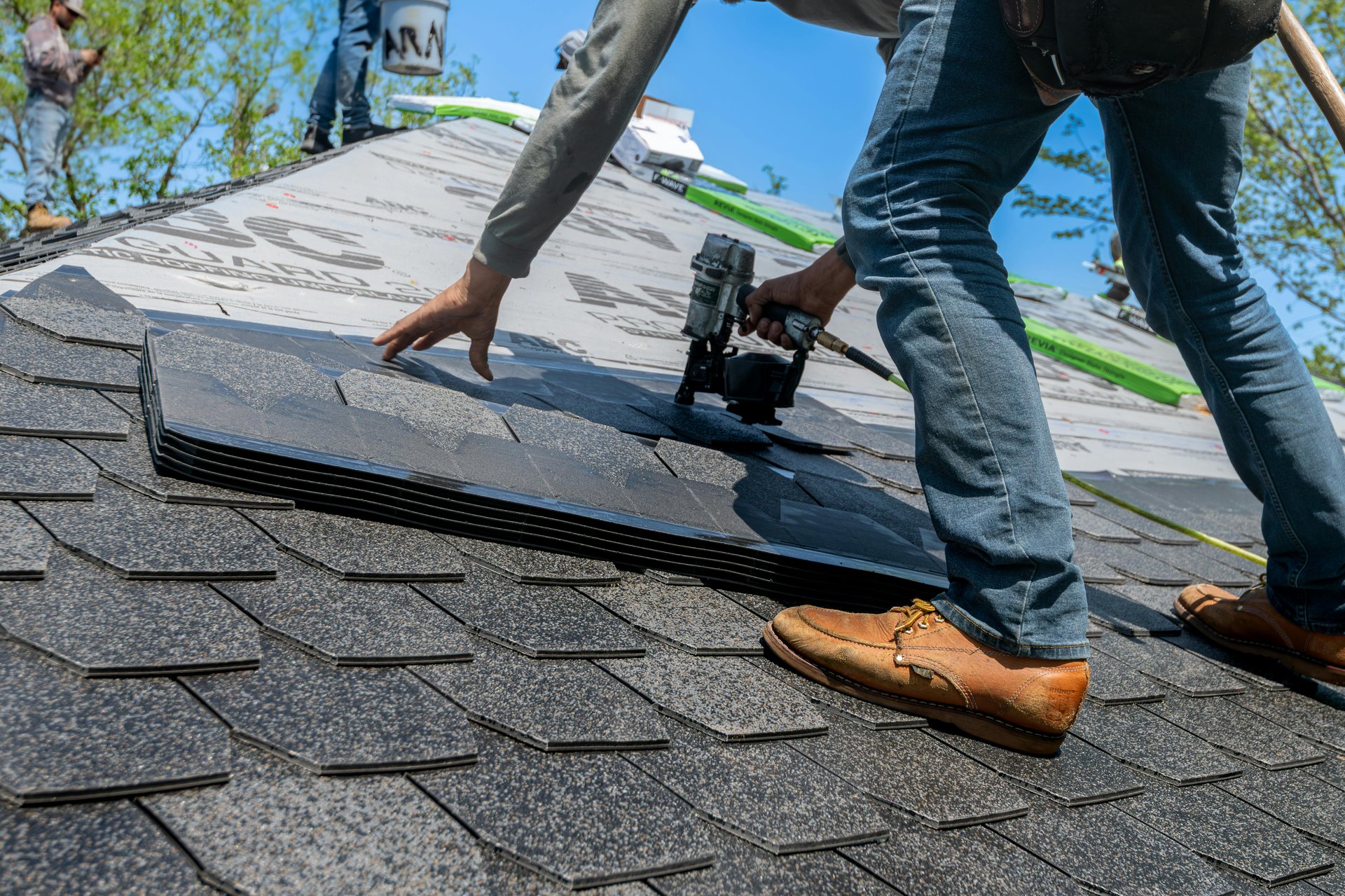
Why Permits Matter
It’s tempting to think permits are just extra paperwork. But here’s why they matter:
- Safety First – Inspections catch problems before they put your family at risk.
- Protecting Your Wallet – Unpermitted work can cause insurance claims to be denied.
- Future Resale Value – When you sell, buyers (and their lenders) want proof that renovations were done to code. Unpermitted work can delay or kill a sale.
How to Get a Permit in Pinellas County
The process is simpler than most people expect:
- Check with Your Local Office – Each city in Pinellas (like St. Pete, Clearwater, or Largo) may have slightly different requirements.
- Submit Plans – For bigger projects, you’ll need drawings or plans. Smaller projects may just need an application.
- Schedule Inspections – Once the work is underway, inspectors will visit to make sure everything is on track.
- Get Final Approval – After the project is finished, a final inspection will close out the permit.
Final Thoughts
Homeownership in Florida comes with plenty of sunshine and salty breezes—but also a responsibility to keep your property safe and up to code. Before you dive into your next project, take a few minutes to confirm whether you need a permit.
It’s a small step that saves big headaches down the road. And if you’re ever unsure, your local building department (or a trusted contractor) is just a phone call away.
Pro Tip: Thinking of renovating before selling? Reach out before you start! I can connect you with trusted local contractors and make sure your upgrades boost your home’s value and check all the right boxes with the county.