Trying to choose between Palm Harbor and Tarpon Springs for your family’s next move? You’re not alone. Both offer strong school options, easy access to parks and beaches, and a relaxed coastal lifestyle, but the day-to-day feel is a little different in each. In this guide, you’ll get a clear, side-by-side look at neighborhoods, schools and programs, parks, commutes, and budgets so you can decide what fits your priorities. Let’s dive in.
Palm Harbor at a glance
Palm Harbor is a larger, unincorporated community with about 61,300 residents, according to recent census data. It feels broadly suburban, with several distinct neighborhoods, golf and resort enclaves around Innisbrook, and convenient commercial corridors for errands and dining. You’ll find a mix of single-family homes, townhomes, and condos, plus waterfront pockets in Ozona, Crystal Beach, and near Lake Tarpon. Census QuickFacts for Palm Harbor
Family lifestyle highlights
- Wall Springs Park links to the Pinellas Trail and offers boardwalk views, an observation tower, and easy family walks. It’s a go-to for quick outings and bike rides. Explore the amenities at Wall Springs Park.
- Active youth sports are part of the local rhythm. Little League, soccer, and rec programs draw families from across neighborhoods, with fields and facilities spread throughout Palm Harbor.
- Many families appreciate the stable, suburban feel and the variety of home styles and lot sizes, including some larger-yard subdivisions.
Housing overview
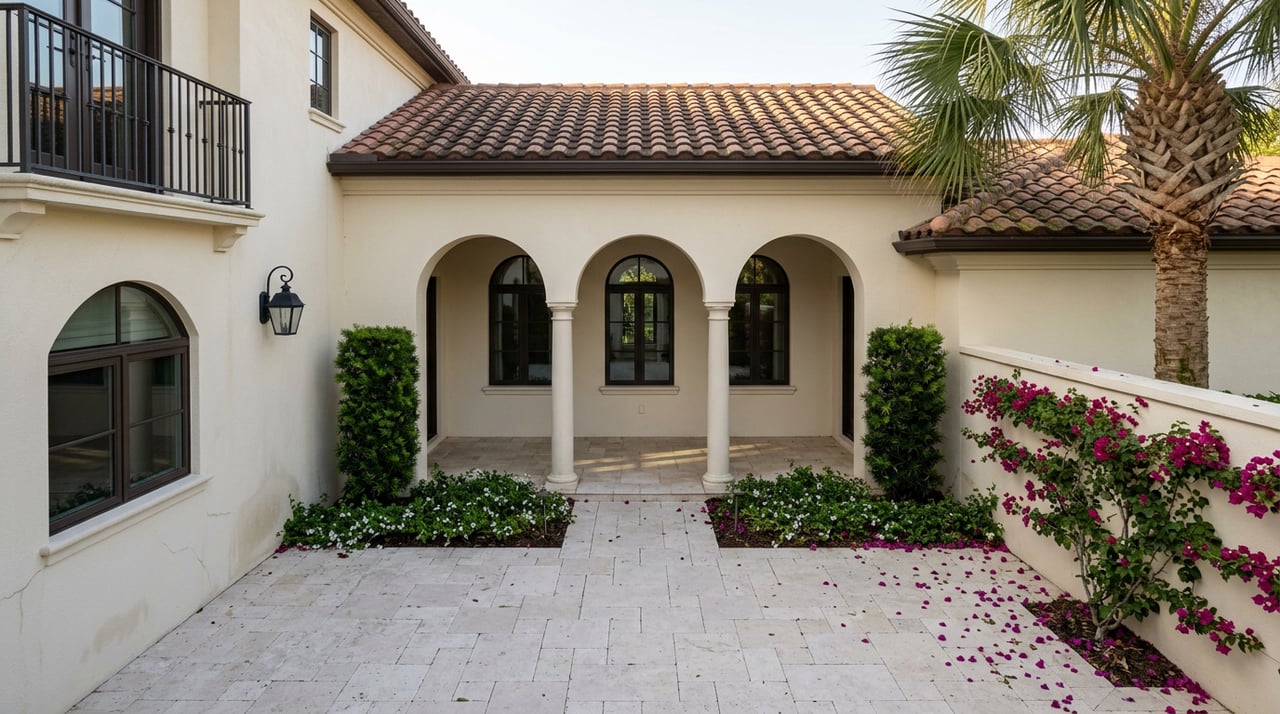
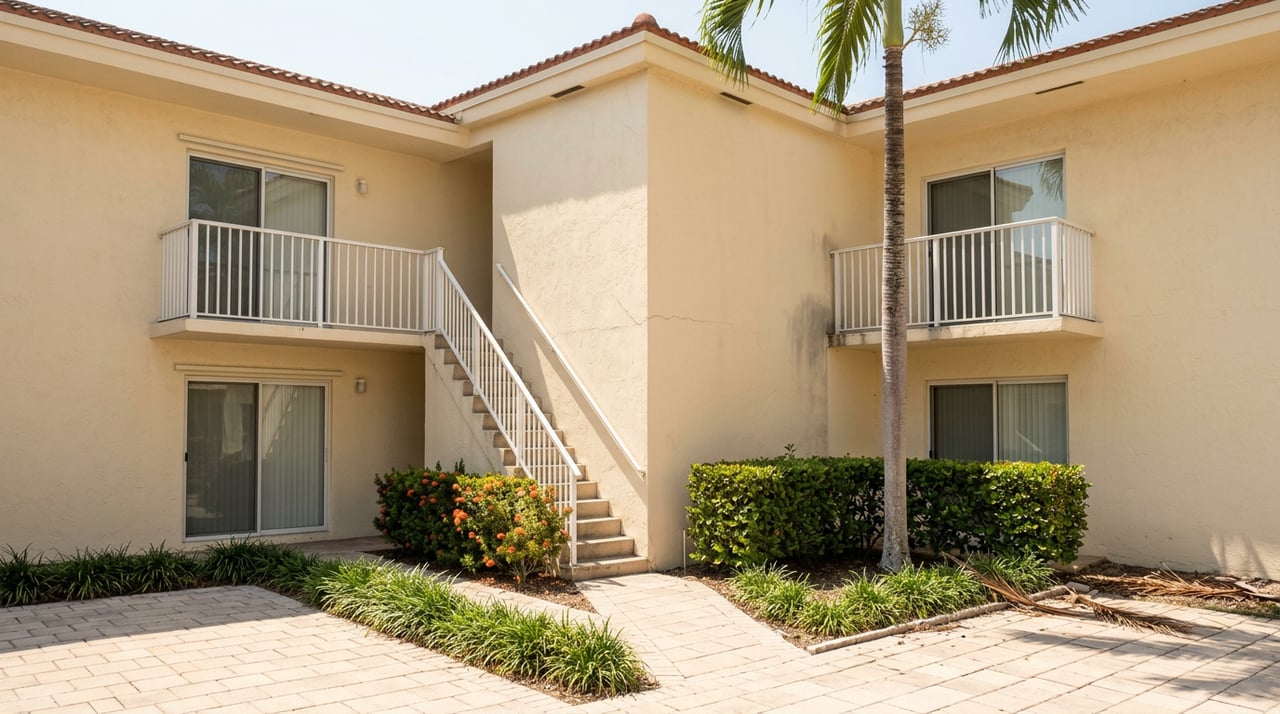
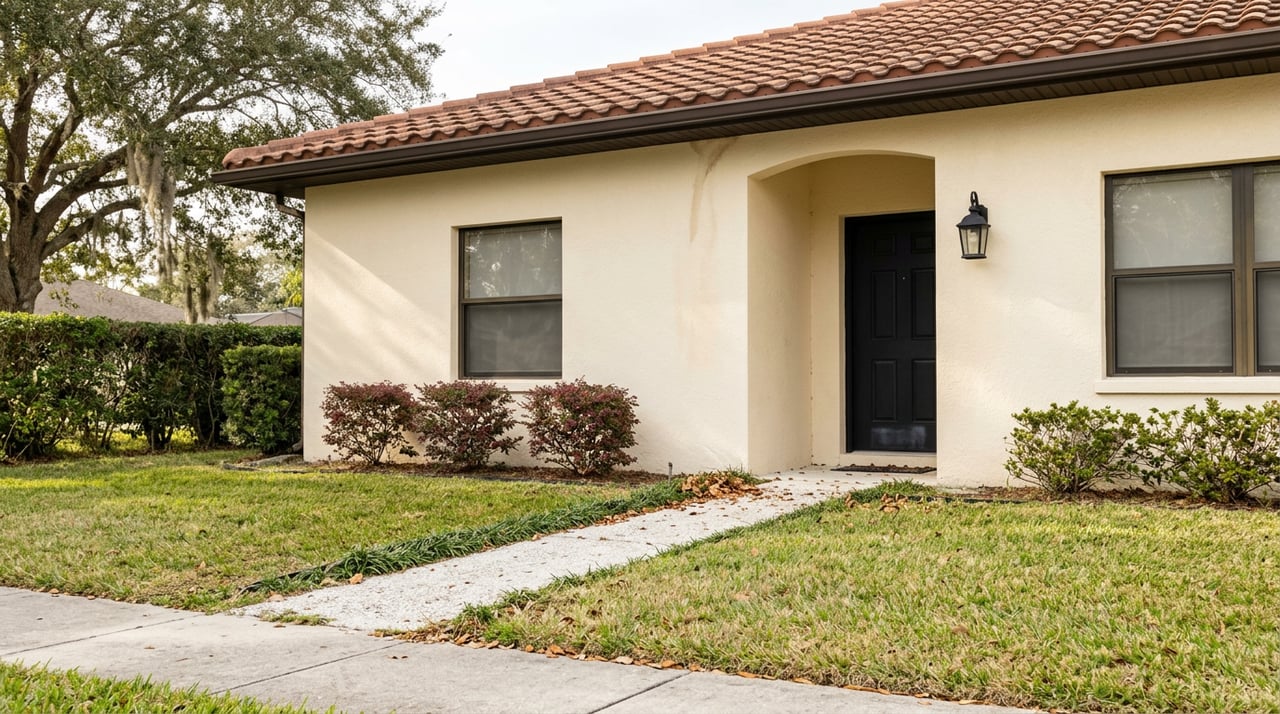
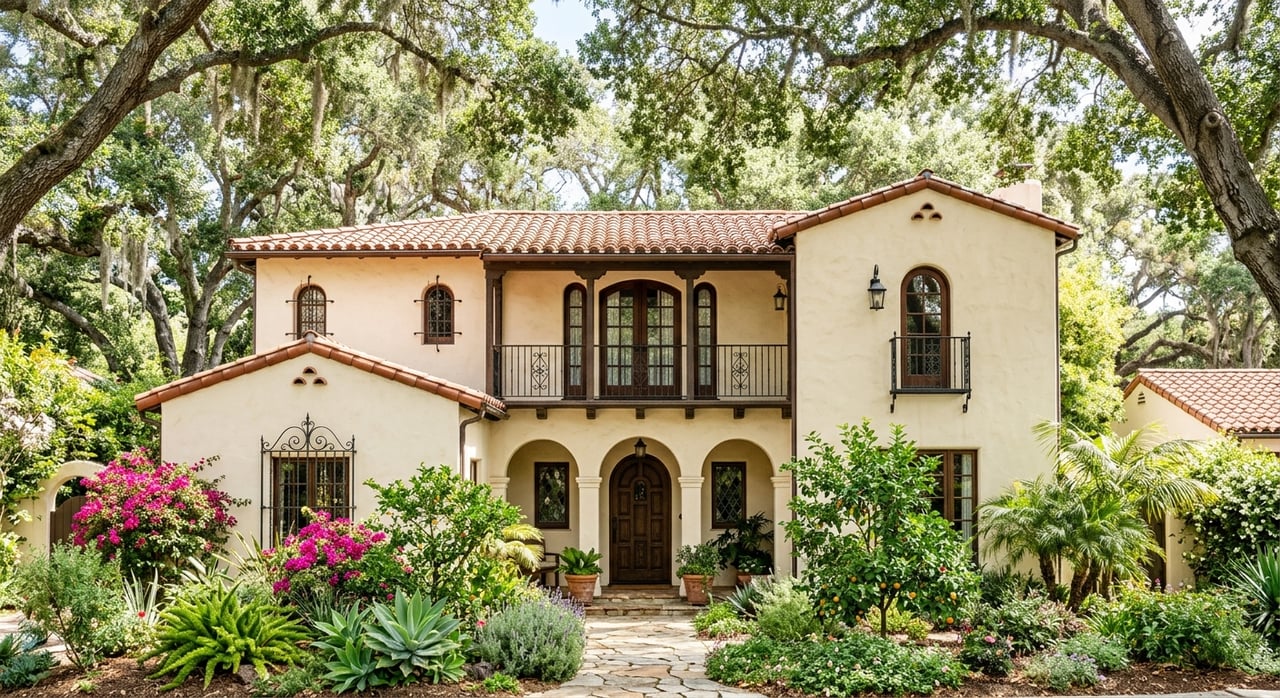
Palm Harbor’s housing skews single-family, with older ranch homes, mid-century blocks, and newer gated and townhome options. Golf-community living around Innisbrook offers amenity-focused choices, while condos provide lower-maintenance living for busy households. Waterfront and resort-adjacent homes tend to carry higher price points than inland options.
Tarpon Springs at a glance
Tarpon Springs is a smaller, incorporated city of roughly 25,000, with a compact historic center and a strong Greek cultural identity around the Sponge Docks. The city’s layout supports more walkable pockets near downtown, plus a range of single-family neighborhoods inland. Waterfront parks and access points are woven into daily life. Census QuickFacts for Tarpon Springs
Family lifestyle highlights
- Fred Howard Park features a beach, picnic shelters, a scenic causeway, and kayak-friendly access. It’s a favorite for low-stress beach days. See details for Fred Howard Park.
- The Sponge Docks area adds walkable waterfront dining, boat tours, and frequent community events.
- Families who want a historic-district vibe and quick access to downtown amenities often focus searches near the core, then verify school zoning for their exact address.
Housing overview
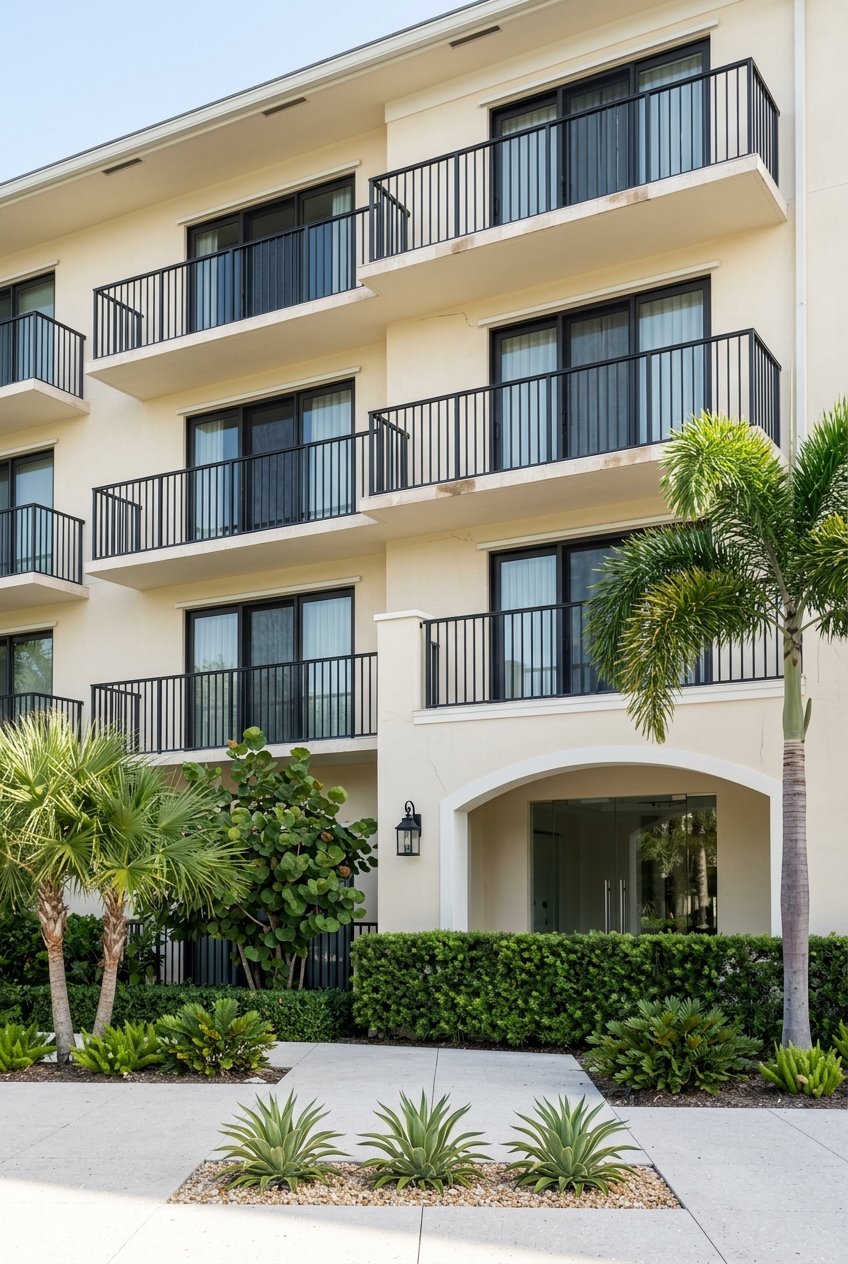
You’ll find a mix of historic homes close to downtown, condos near the waterfront, and single-family subdivisions further inland. Some pockets are more affordable than waterfront or historic-district properties. If you prefer walkable amenities and character-rich streets, narrow your search to neighborhoods with easy access to the Sponge Docks or downtown, then compare those listings with inland options for budget and yard space.
Schools and choice programs
In Pinellas County, public school assignments are address specific. Always confirm the exact elementary, middle, and high school for a property through the district lookup tool. Magnet, fundamental, and application-area programs require separate applications and may have different transportation rules. Start with the Pinellas County Schools Zone Locator.
Palm Harbor school snapshot
- Palm Harbor University High School (PHUHS) serves much of Palm Harbor and offers the International Baccalaureate Programme, a Center for Wellness & Medical Professions, and extensive AP and dual enrollment options. Review program information directly from the school at the PHUHS programs and enrollment page.
- Commonly zoned middle and elementary schools vary by neighborhood. Families often see names such as Palm Harbor Middle, Carwise Middle, and elementaries like Ozona, Cypress Woods, Highland Lakes, and Elisa Nelson. Since zones can cut through neighborhoods, verify your exact assignment with the district tool.
Tarpon Springs school snapshot
- Tarpon Springs Fundamental Elementary is commonly referenced by families exploring fundamental program options. The school profile summarizes test results and program features. See the Tarpon Springs Fundamental Elementary profile.
- Tarpon Springs Middle and Tarpon Springs High serve the city’s core. At the high school, families often explore arts pathways and Cambridge (AICE) courses. If a specific program is your priority, review details and application steps, then map feeder patterns.
How to evaluate school fit
- Start with the district zone tool to confirm your assigned schools by address.
- Review each school’s website for programs, schedules, and calendars. If you’re comparing IB, AICE, or fundamental options, note application timelines and transportation rules.
- Consider practicalities like commute to school, after-school care, extracurriculars, and how those align with your family schedule.
Parks, beaches, and recreation
Both communities offer easy access to parks and the Gulf. Palm Harbor families lean on Wall Springs Park and the Pinellas Trail for quick outdoor time, while Tarpon Springs families enjoy beach days at Fred Howard Park and downtown waterfront access.
- Palm Harbor: Wall Springs Park
- Tarpon Springs: Fred Howard Park
- Regional favorite for both: Honeymoon Island State Park with ferry access to Caladesi Island
Youth sports are active in both areas, including Little League baseball, rec soccer, and seasonal leagues. If practice logistics matter, map field locations and drive times during peak hours before you commit to a neighborhood.
Commute and getting around
Average drive times are similar, typically around the high 20 minutes according to recent ACS estimates, but your commute will depend on your destination and rush-hour patterns. US 19 is the primary north-south corridor, with Curlew Road, SR 580, and Klosterman Road connecting east-west. Public transit options exist, and the coastal Jolley Trolley connects Clearwater, Dunedin, Palm Harbor, and Tarpon Springs for leisure trips, but most families rely on private vehicles for daily school and work travel. Learn more about trolley options via the Pinellas Suncoast Transit Authority.
Housing budgets and the market
Market snapshots from recent reports suggest Palm Harbor and Tarpon Springs have different median sale prices and inventory mixes. In general terms, Palm Harbor’s median has been reported around the high $300Ks to low $400Ks in recent samples, while Tarpon Springs has trended a bit higher on some datasets. Exact figures vary by time window and property type.
Practical takeaways for families:
- If your cap is around $350K, focus on smaller single-family homes, townhomes, or condos in both communities.
- For larger single-family homes with yards in popular zones, plan for roughly $450K to $700K+ depending on neighborhood and condition.
- Waterfront and resort or golf-community homes typically list higher than inland properties.
When you’re serious about a property, review current comparables through the MLS and confirm property-specific details through the Pinellas County Property Appraiser and the FEMA Flood Map Service Center. Flood exposure, insurance, and past sale history can be material to your budget.
Decision guide: which fits your priorities
Use these prompts to narrow your search:
- If high school program options are central: Focus on Palm Harbor homes that map to PHUHS and review IB, AP, and dual enrollment details on the PHUHS programs page. Confirm feeder patterns and application rules.
- If you want historic character and walkable waterfront amenities: Center your Tarpon Springs search around downtown and the Sponge Docks, then compare school zones and program options for those addresses.
- If parks, larger lots, and resort or golf-community amenities appeal to you: Explore Palm Harbor neighborhoods around Innisbrook and nearby subdivisions. Expect higher prices for gated or amenity-rich communities.
- If budget drives the decision: Compare condo and townhome options across both communities and expand your search radius just inland from the waterfront to find more value.
Quick checklist before you tour
- Confirm school zoning by property address with the Pinellas County Schools Zone Locator.
- Review any program applications or transportation rules for IB, AICE, or fundamental schools.
- Check parcel data, past sales, and tax history with the Pinellas County Property Appraiser.
- Look up flood zones and insurance implications at the FEMA Flood Map Service Center.
- Test your daily routes during peak hours, including school drop-off.
- Map your family’s top parks and fields. Try a Saturday morning at Wall Springs or Fred Howard to see which vibe you prefer.
- Review recent MLS comparables within your exact sub-neighborhood and home type.
Ready to explore homes in person?
If you’re weighing Palm Harbor vs. Tarpon Springs, you don’t have to figure it out alone. I help families compare neighborhoods, school zones, and budgets with real-time data and on-the-ground insight. Let’s chat about your goals, tour the right areas, and build a plan that fits your timeline and budget. Connect with Jenny Neumeyer to get started.
FAQs
Is Palm Harbor or Tarpon Springs better for families?
- Both work well for families. Palm Harbor feels more suburban with a wide range of neighborhoods and parks, while Tarpon Springs offers a compact, historic center with walkable waterfront amenities. The right fit depends on your school, lifestyle, and budget priorities.
How do I confirm which school my child would attend?
- Use the district’s address lookup to see the assigned elementary, middle, and high school for any property. Start with the Pinellas County Schools Zone Locator.
What are typical home prices in each area?
- Recent market snapshots place Palm Harbor’s median in the high $300Ks to low $400Ks and Tarpon Springs somewhat higher in some datasets. Prices vary by neighborhood, property type, and date range. Review active listings and recent sales in your specific area and home type.
What parks and beaches are close by?
- Palm Harbor families frequent Wall Springs Park and the Pinellas Trail, while Tarpon Springs families enjoy Fred Howard Park. Both are a short drive to Honeymoon Island State Park.
How are commutes to Tampa or St. Pete?
- Average drive times hover around the high 20 minutes on recent estimates, but it depends on destination and time of day. US 19 is the main corridor, and many families drive for daily trips. The coastal Jolley Trolley is helpful for leisure travel along the shoreline routes.