Thinking about a move to Dunedin? You are not alone. This coastal Pinellas County city draws people in with its downtown energy, water access, and established neighborhoods, but choosing the right area takes more than a quick map search. If you are relocating, it helps to understand how Dunedin is laid out, what each area feels like day to day, and how housing, schools, and commuting can shape your decision. Let’s dive in.
Why Dunedin Stands Out
Dunedin sits between Palm Harbor and Clearwater and has about 35,932 residents, according to the U.S. Census QuickFacts for Dunedin. It is a relatively compact city with 10.41 square miles of land, a large coastal footprint, and a housing market that feels lived-in rather than newly built.
That matters when you are relocating. Dunedin is not a fast-growth suburban area full of brand-new subdivisions. It is a place where location, neighborhood character, home condition, and access to downtown or the water can make a big difference in how a move feels once you are settled.
How to Think About Dunedin Neighborhoods
If you are coming from out of town, formal planning areas may matter less than everyday lifestyle. The city’s planning documents highlight places like Downtown Dunedin, the Southside/Douglas corridor, and South Dunedin character areas, but for you, the bigger questions may be simple: Do you want walkability? Easier school access? A quieter residential feel? Quick access to the water?
The good news is that Dunedin offers a few distinct lifestyle patterns within a relatively small area. That can make your search feel more manageable once you know what to look for.
Downtown Dunedin for Walkability
Downtown Dunedin is the city’s business and retail core, and it is the area most people picture when they think of an active, coastal downtown. According to the city’s economic market assessment, Main Street is a pedestrian-oriented corridor that stretches more than a mile from New York Avenue to the municipal marina and crosses the Pinellas Trail.
This area is a strong fit if you want to be close to shops, restaurants, local events, and the waterfront. Edgewater Park fronts the marina and offers views of the Dunedin Channel and St. Joseph Sound, which adds to the everyday coastal feel.
If your goal is to park less and walk more, downtown is the first area to explore. It tends to appeal to buyers who value convenience, activity, and being close to the city’s social core.
Best fit for downtown living
You may prefer Downtown Dunedin if you want:
- Walkable access to dining and small businesses
- Proximity to the marina and waterfront views
- Direct connection to the Pinellas Trail
- A more mixed-use, urban-style coastal setting
Southside and Douglas for Established Homes
If you want a more residential feel, the Southside and Douglas Avenue corridor deserves a close look. The city’s Southside Neighborhood study describes this area as predominantly single-family residential with pockets of commercial activity and a strong civic presence.
This part of Dunedin includes access to public spaces and community institutions such as a public library, municipal stadium, senior center, museum, and three public schools. It is also an area where housing character matters. City materials note that much of South Dunedin was developed in the 1940s and 1950s, and local overlay rules are intended to support compatibility with existing structures.
For many relocating buyers, this translates into established lots, older homes, and a neighborhood feel that is different from downtown. If you like mature areas with a more traditional residential pattern, this may feel like a better match.
What to expect in Southside
This area may suit you if you are looking for:
- Predominantly single-family streets
- Older homes with established character
- A more residential setting than downtown
- Close access to civic amenities and daily services
East-Side Areas for School Access
If school access or daily logistics are high on your priority list, the east-side and school corridor areas can be worth extra attention. Pinellas County Schools lists Dunedin Elementary, Dunedin Highland Middle, and Dunedin High within the city, and Dunedin High is located on Pinehurst Road near the eastern edge of town.
This area is not defined by waterfront living in the same way as downtown or the causeway side, but it can offer practical advantages. It is especially helpful for buyers who want easier access to schools, errands, and transit connections.
If you are moving with children, it is smart to verify zoning before you make an offer or sign a lease. The school district directory includes a School Zone Locator, which makes that step easier during your planning process.
Why this area matters for relocators
You may want to focus here if you value:
- Easier access to Dunedin’s public schools
- More convenience for day-to-day errands
- Better alignment with bus routes and local connections
- Practical logistics over waterfront proximity
Waterfront Areas for Coastal Access
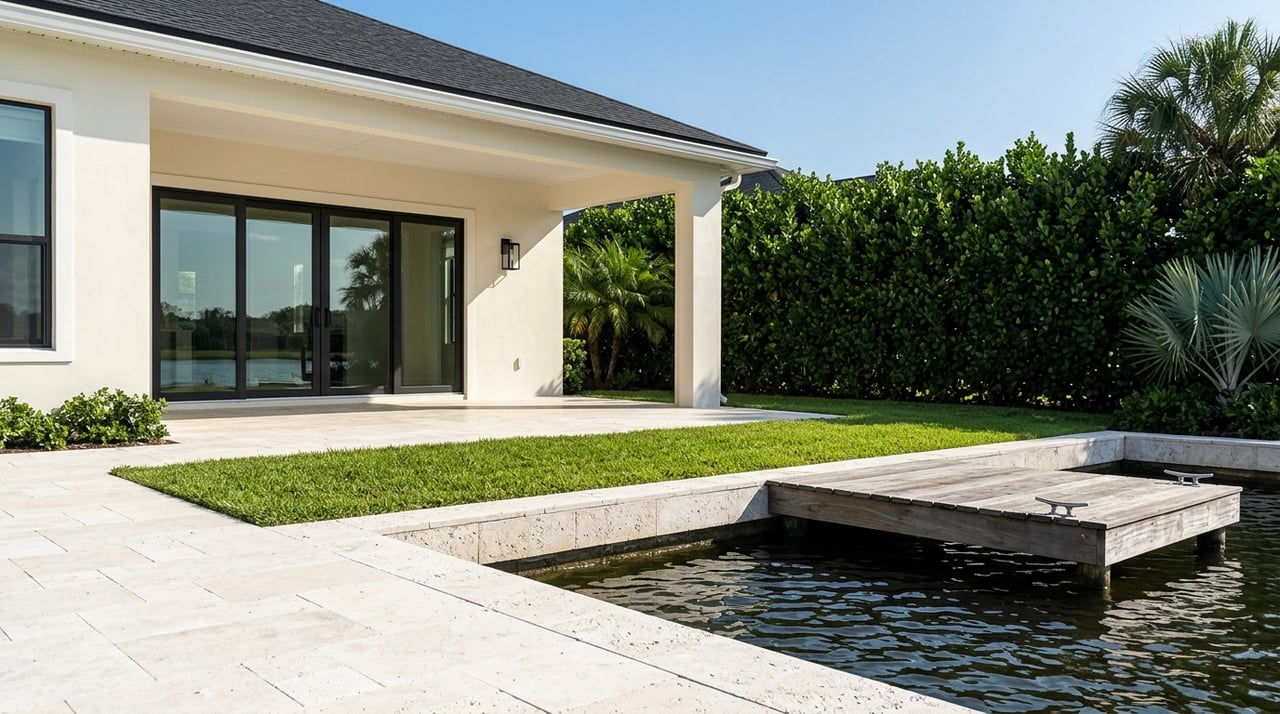
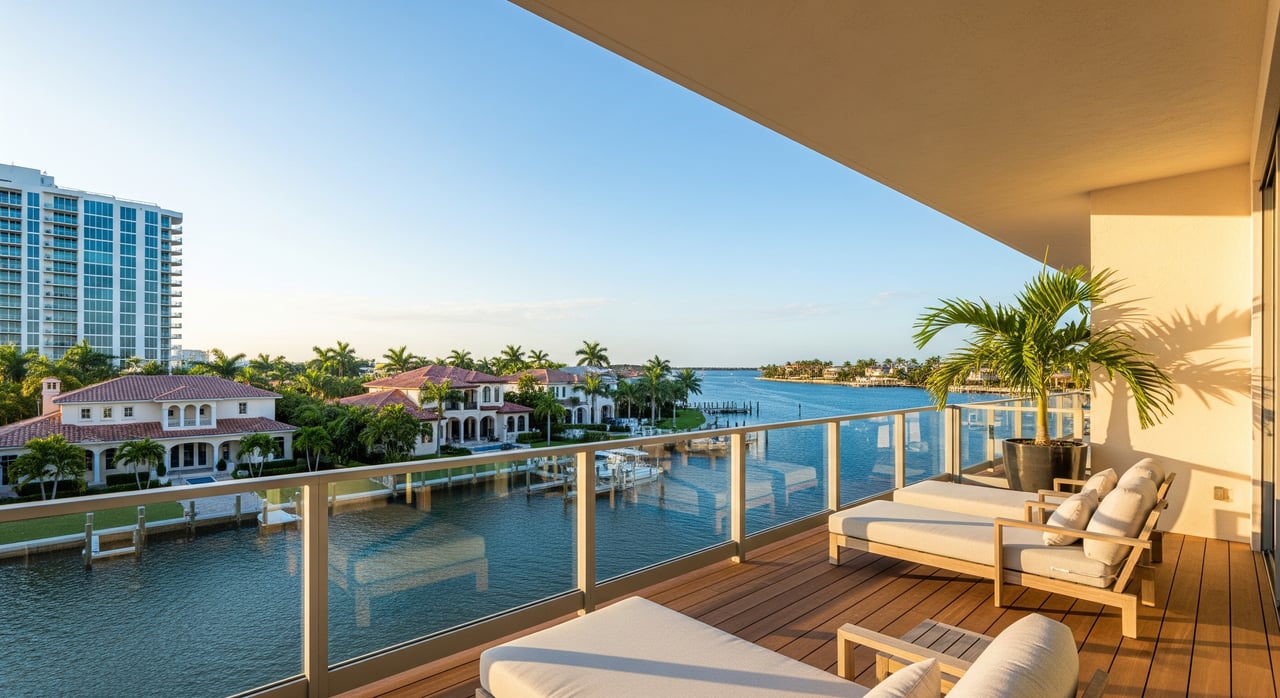
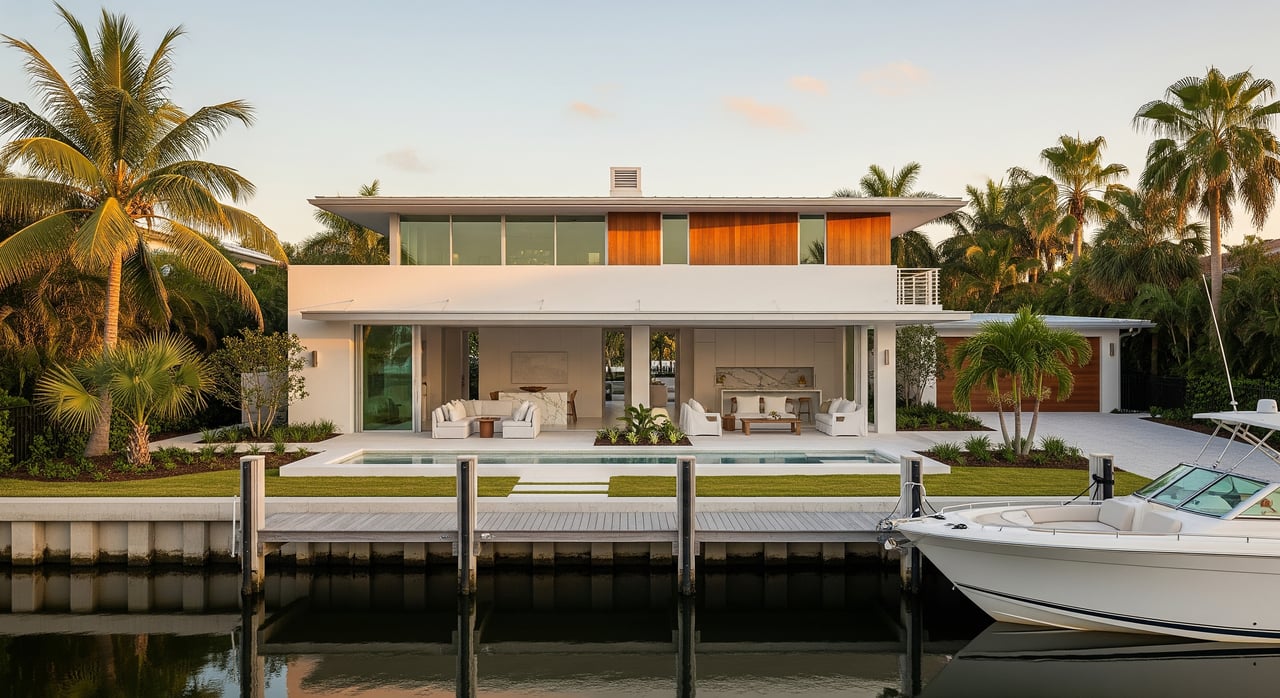
For some buyers, the biggest reason to move to Dunedin is simple: you want to be close to the water. Dunedin borders the Gulf on the west, and the city’s coastal identity is tied closely to the marina, the channel, and the route toward Honeymoon Island.
The area around Causeway Boulevard connects to Honeymoon Island State Park, which features more than four miles of beach and a three-mile trail. Downtown also connects to the water through the marina and Edgewater Park, giving you more than one way to enjoy a coastal setting.
If your ideal routine includes beach time, paddling, sunset views, or easy outdoor access, waterfront and island-access areas may rise to the top of your list. These areas often attract buyers who are prioritizing lifestyle first.
Housing in Dunedin Looks Different
One of the biggest relocation surprises in Dunedin is the age of the housing stock. A city housing assessment found that 64.53% of homes were built in 1979 or earlier, while only 6.5% were built in 2000 or later. That means many buyers will be choosing among older single-family homes, condos, or mobile homes rather than newer construction.
That is not a bad thing, but it does change how you should evaluate a property. Beyond layout and finishes, you may want to pay close attention to exterior condition, maintenance history, parking, and how the home fits into the surrounding street and neighborhood context.
Census data also shows a median owner-occupied home value of $396,000 and a median gross rent of $1,675 in Dunedin. Those numbers can help you compare whether buying now or renting first makes more sense for your timeline and comfort level.
Should You Rent First or Buy First?
For some relocators, renting first is the smarter move. It can give you time to learn Dunedin’s micro-areas, confirm school zoning, and get a better feel for older homes and neighborhood differences before committing.
Buying first may make more sense if you already know you want a long-term coastal location and you are comfortable evaluating older properties or condo-style ownership. Since Dunedin has a high owner-occupancy rate of 71.1%, it can be a good fit for buyers who want to put down roots, but timing and confidence matter.
A simple way to think about it is this:
| If this sounds like you | A good approach |
|---|---|
| You want time to learn the area | Rent first |
| You need to verify school zoning | Rent first |
| You are relocating remotely and want in-person inspections first | Rent first |
| You already know the area and want long-term ownership | Buy first |
| You are comfortable with older-home upkeep or condo ownership | Buy first |
Commuting and Getting Around
Dunedin is more transit-connected than many buyers expect. PSTA Route 61 connects Park Street Terminal, Clearwater, Dunedin Elementary, Dunedin Highland Middle, Dunedin High, and Countryside Mall. Additional routes also connect Dunedin with Mease Dunedin Hospital, Oldsmar, and Tarpon Springs.
The Jolley Trolley Coastal Route runs daily from Clearwater Beach through historic Dunedin to Tarpon Springs, which adds another option for getting around the coast. If you want some flexibility to go car-light, downtown and the school-transit corridors may be especially appealing.
For drivers, Census reports a mean commute time of 24.9 minutes for Dunedin workers. While that does not predict every commute, it gives you a useful baseline for the city’s general rhythm.
Timing Your Move to Dunedin
Timing matters when you are relocating to coastal Florida. If you are moving with children, check the current Pinellas County Schools directory and calendars before finalizing a closing or lease start so you can align your move with school timelines.
Weather is also part of the planning process. NOAA states that Atlantic hurricane season runs from June 1 through November 30, with most tropical storms and hurricanes typically occurring from August to October. Spring and early summer can work well for coordination, but it is wise to keep both school timing and storm season in mind.
How to Handle a Remote Move
If you are relocating from outside the area, remote tours can help you narrow options quickly. Dunedin is well suited to that process, and Census data shows that 91.6% of households have broadband internet access, which supports virtual communication and online home shopping.
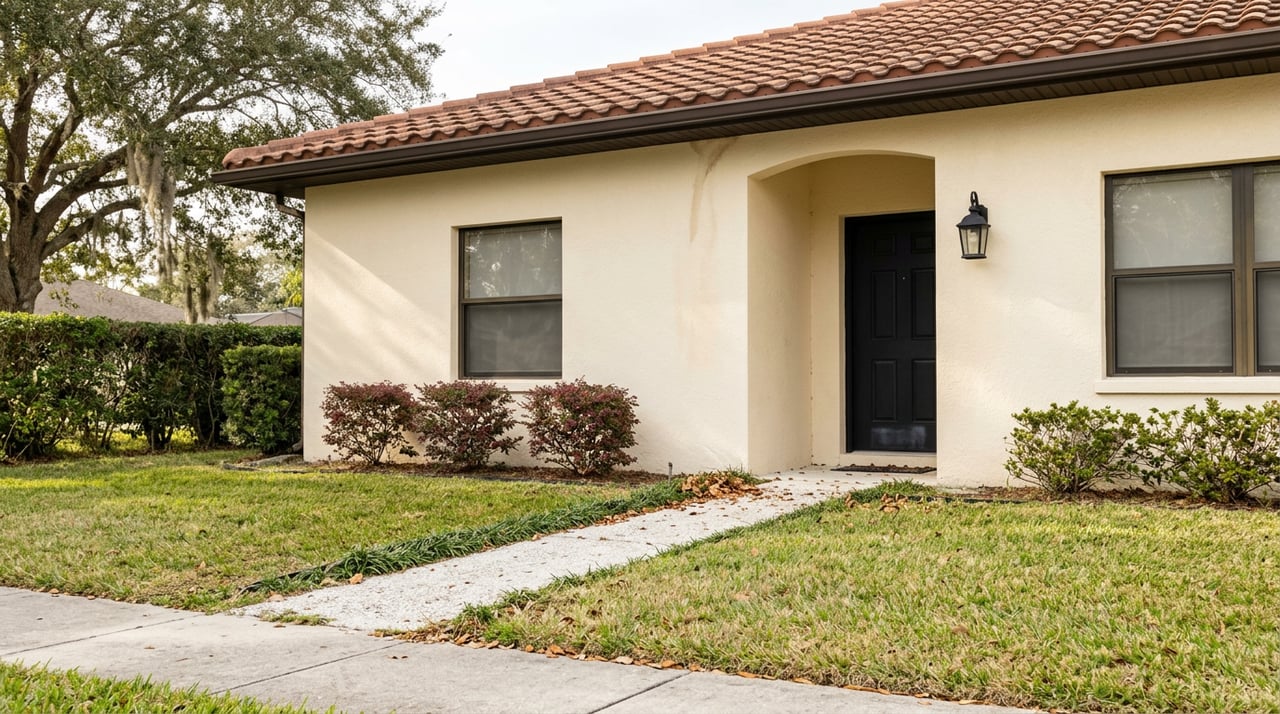
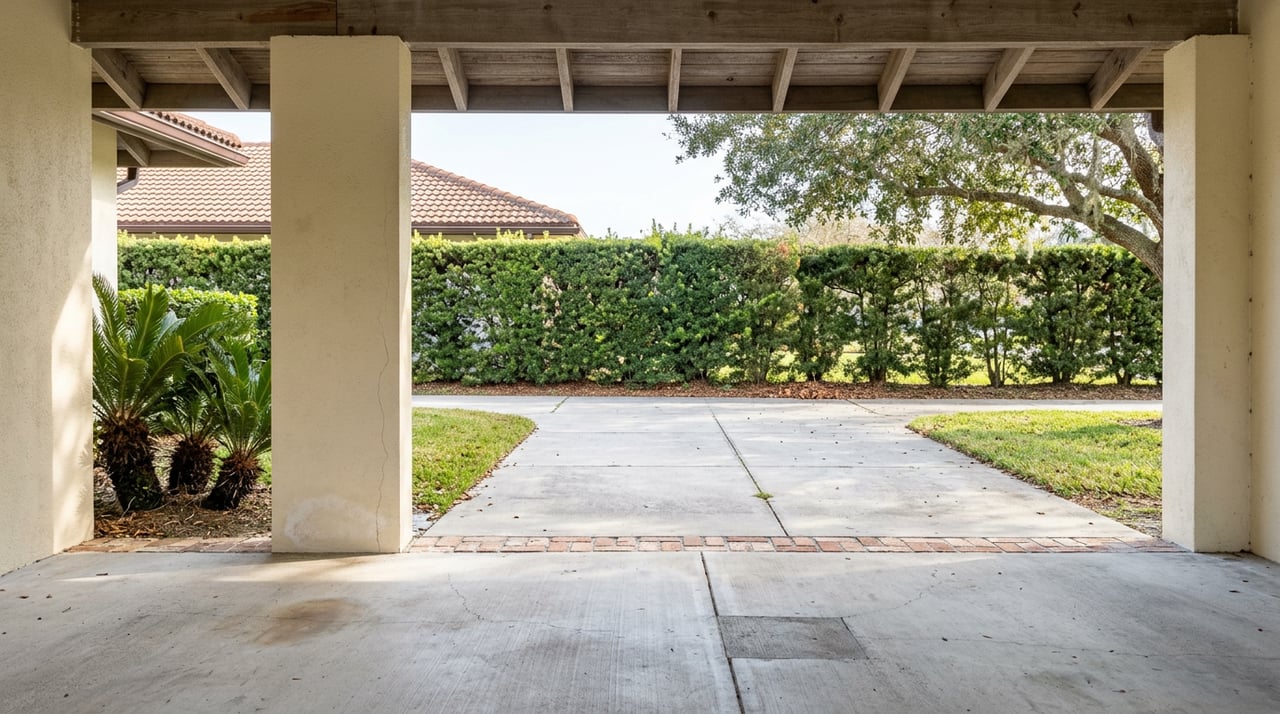
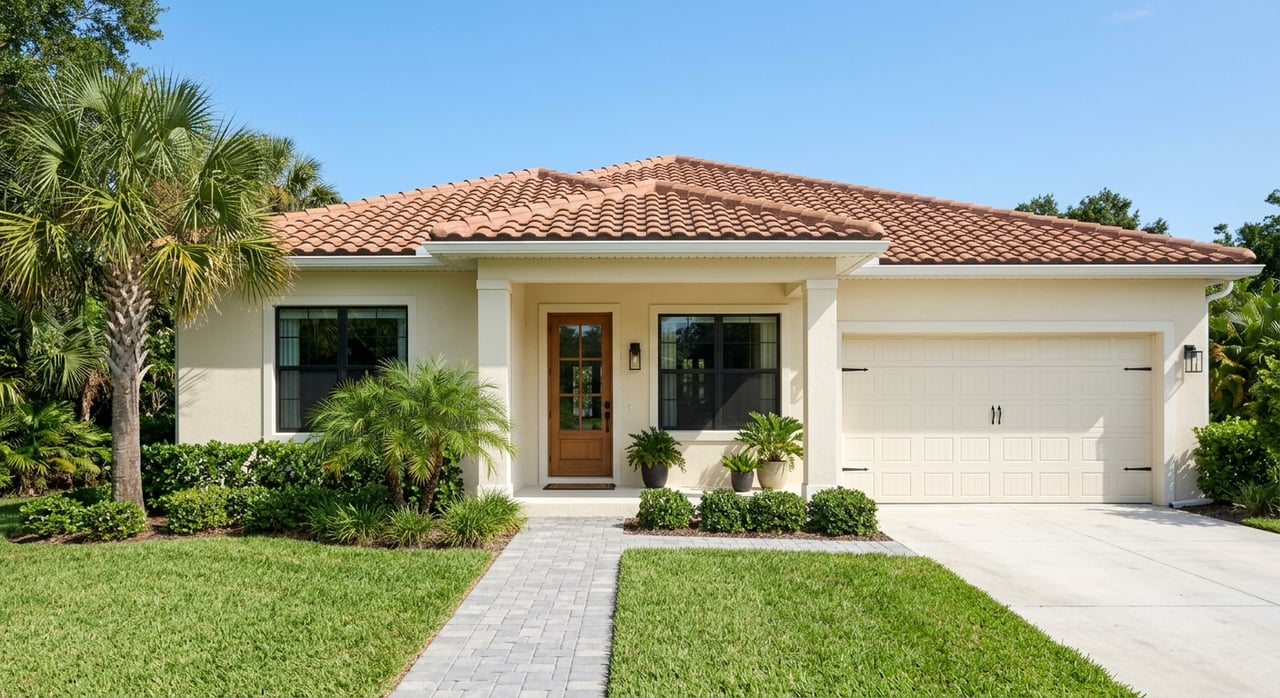
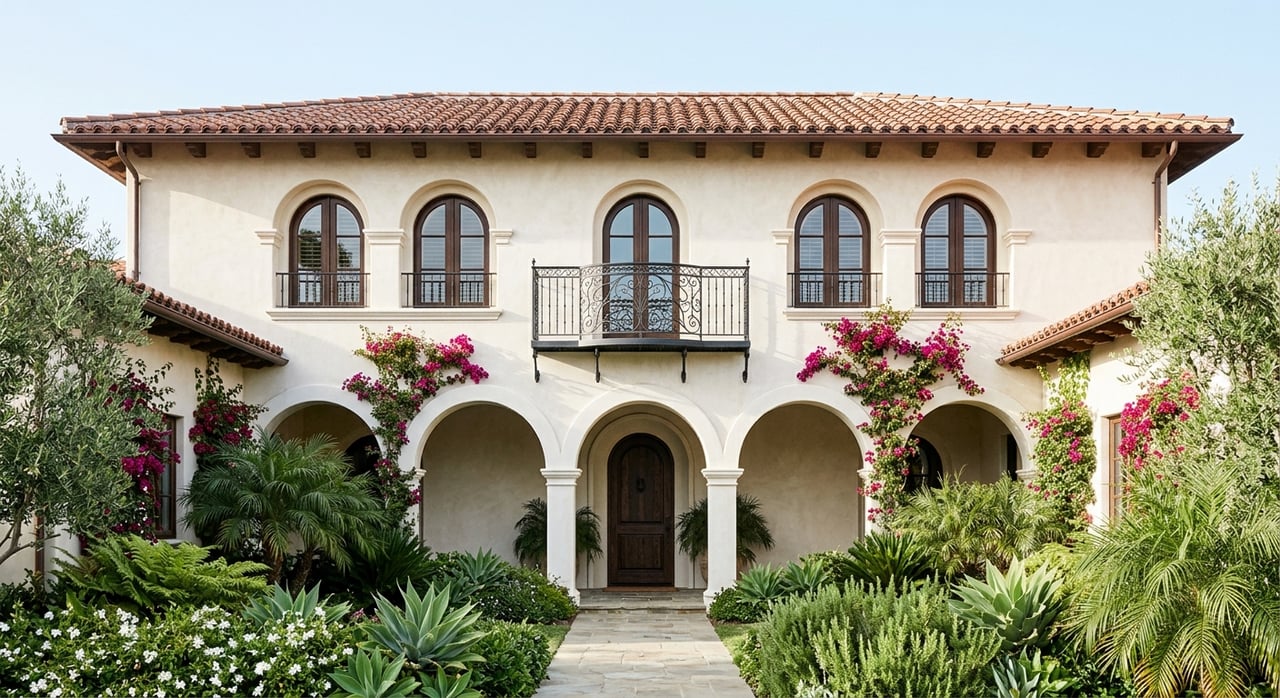
Still, in a city with older housing and character-sensitive areas, a remote tour should go beyond the staged interior. You will want to see the roofline, exterior condition, parking setup, street context, traffic patterns, and the feel of the surrounding block.
What a remote tour should include
Ask for a video walkthrough that covers:
- Front exterior and roofline views
- Parking and driveway setup
- Street view and nearby surroundings
- Backyard or outdoor space
- Signs of updates or deferred maintenance
- The route to downtown, schools, or the waterfront if those matter to you
Finding the Right Fit in Dunedin
The best neighborhood in Dunedin is not the same for every buyer. Downtown may be the right choice if you want walkability and energy. Southside may feel better if you want established homes and a residential setting. East-side areas can simplify school and transit logistics, while waterfront and causeway-access areas may be ideal if coastal living is your main goal.
When you are relocating, the key is to match your daily lifestyle to the right part of the city. If you want help narrowing neighborhoods, comparing homes, or planning a remote-friendly move to Dunedin, Jenny Neumeyer can help you move forward with local insight and a clear plan.
FAQs
What is Downtown Dunedin like for someone relocating?
- Downtown Dunedin is the city’s walkable core, with Main Street, the marina, Edgewater Park, small businesses, restaurants, and access to the Pinellas Trail.
Which Dunedin area feels most residential?
- The Southside and Douglas Avenue corridor is predominantly single-family residential and is known for established homes, civic amenities, and older neighborhood character.
Are there public schools in Dunedin?
- Yes. Pinellas County Schools lists Dunedin Elementary, Dunedin Highland Middle, and Dunedin High in the city, and the district provides a School Zone Locator for address verification.
Is Dunedin a good place for waterfront access?
- Dunedin offers strong water access through its marina, channel, and proximity to Honeymoon Island State Park, which has beaches and trails.
Should you rent before buying in Dunedin?
- Renting first can make sense if you want time to learn the area, confirm school zoning, or get comfortable with Dunedin’s older housing stock before buying.
What should a remote home tour in Dunedin show?
- A strong remote tour should include the home’s interior, exterior, roofline, parking, street setting, and nearby neighborhood context, not just interior finishes.