Trying to decide between Tampa and the beach towns? You are not alone. A lot of buyers moving around Tampa Bay love the idea of waking up near the water, but they also need a home base that works for everyday life. This guide will help you compare Tampa with the Pinellas beach communities so you can weigh commute patterns, housing costs, lifestyle, and day-to-day convenience with more confidence. Let’s dive in.
Tampa vs. the Beach Towns
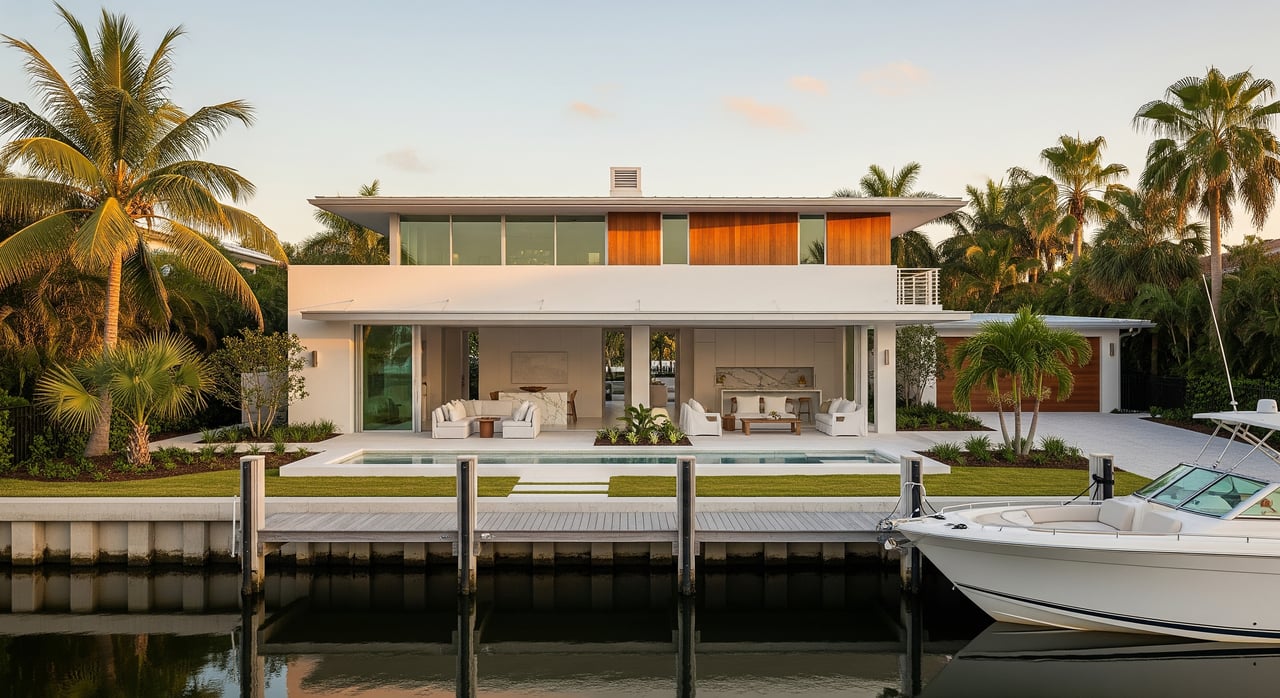
At a high level, Tampa and the Pinellas beach towns serve different lifestyles. Tampa tends to fit buyers who want access to major job centers, a broader mix of housing options, and a more urban routine. The beach communities are often a better match if you want daily water access, resort-style surroundings, and a more vacation-like pace.
That does not mean one choice is better for everyone. The right fit usually comes down to how you spend a normal Tuesday, not just how you want to spend a Saturday.
Tampa Makes Daily Life Easier
If your week revolves around commuting, errands, events, and flexibility, Tampa has a strong advantage. The city is anchored by major employment areas like Westshore and downtown, which together support a large share of the region’s office, business, entertainment, and cultural activity.
Westshore is described as Tampa Bay’s largest employment center, with more than 6,500 businesses, 100,000 employees, and 15.3 million square feet of office space. Downtown Tampa adds another major activity hub with cultural venues, sports, entertainment, and business uses that give the city a more all-day, all-purpose feel.
Tampa also offers more than one nightlife and entertainment district. In addition to downtown, Ybor City is known as a shopping, dining, and entertainment district with a colorful nightlife identity and historic character.
For many buyers, this matters more than broad metro labels. Living in Tampa can make it easier to stay close to work, dinner plans, museums, events, and everyday services without needing to cross the bay as often.
Cross-Bay Travel Changes the Equation
Commute times on paper do not tell the whole story. Tampa’s mean travel time to work is 24.7 minutes, compared with 22.7 minutes in Clearwater and 25.6 minutes in St. Petersburg, so the averages are fairly close.
The bigger issue is whether you need to cross the bay regularly. If your job, appointments, or social plans pull you from Pinellas into Tampa or back again, your route may depend on major corridors like the Howard Frankland, Gandy, or Courtney Campbell.
The Howard Frankland Bridge alone carries about 139,000 vehicles a day and is being rebuilt to add capacity and ease congestion. That improvement matters, but for buyers choosing where to live, location relative to your most common destinations still matters more than city boundaries.
Beach Town Living Feels Different
The beach towns offer something Tampa does not try to replicate. Communities near Clearwater Beach, Madeira Beach, Treasure Island, and St. Pete Beach are shaped by the coastline, visitor activity, waterfront recreation, and a more leisure-focused atmosphere.
Tourism is the leading economic driver in Pinellas County, with about 100,000 jobs and more than $10 billion in economic impact in 2025. That helps explain why many beach areas feel active, hospitality-driven, and designed around visitors as much as full-time residents.
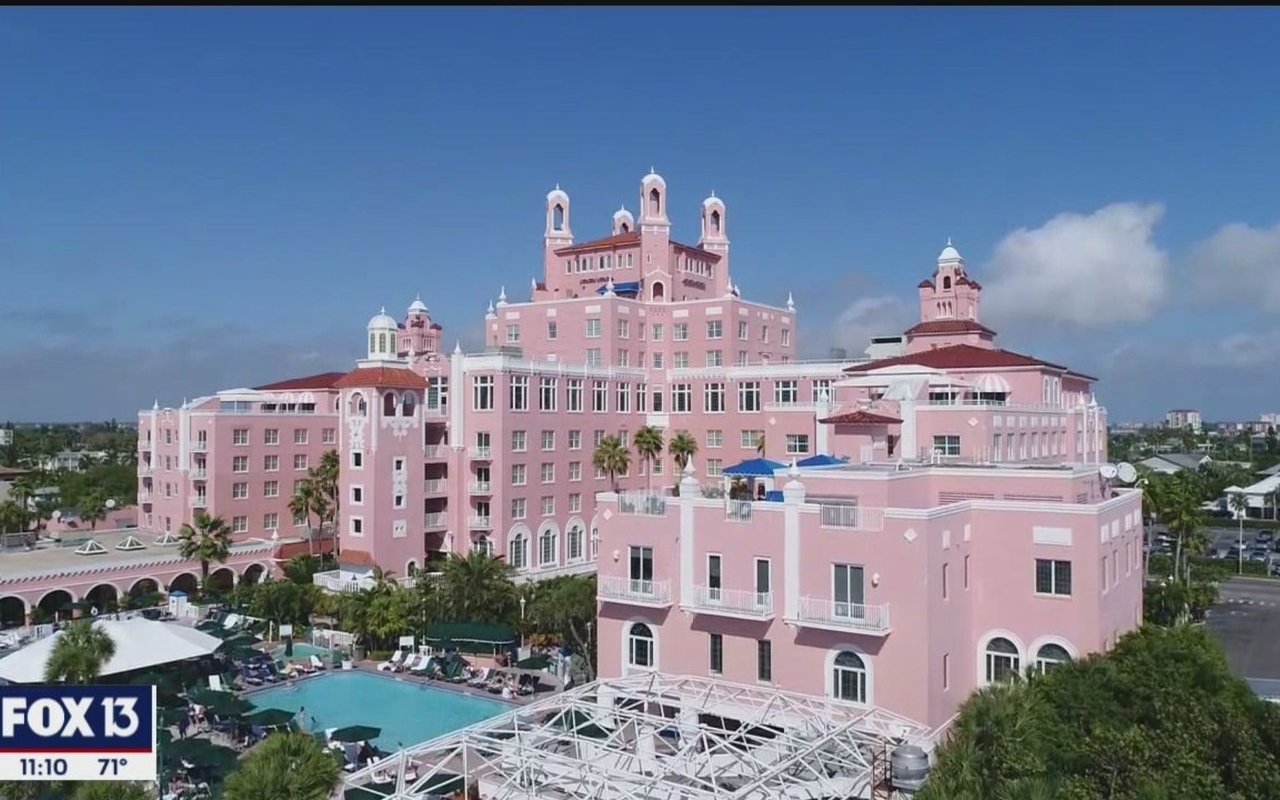
Clearwater Beach, for example, is a barrier island west of downtown Clearwater and is known for a lively setting lined with hotels and resorts. If you want your daily surroundings to feel more like a getaway, that can be a major draw.
Tampa Offers a Broader City Experience
One reason many relocators choose Tampa is variety. The city combines job centers, historic districts, established neighborhoods, redeveloping areas, and cultural institutions in a way that supports many different routines.
The City of Tampa connects its urban identity to venues like the Tampa History Center, Florida Aquarium, Straz Performing Arts Center, Tampa Museum of Art, Glazer Children’s Museum, and Zoo Tampa. For you as a buyer, that means more options for how you spend your time without centering everything around the coast.
This broader mix can be especially appealing if your household wants convenience first. You may not be at the beach every day, but you could be closer to work, events, dining, and a wider range of housing choices.
Housing Costs Are Usually Lower in Tampa
For many buyers, budget is where the decision becomes clearer. Tampa’s March 2026 median sale price was $432,500, while St. Pete Beach was at $599,000 and Clearwater Beach had a median listing price of about $906,700.
That gap is meaningful. If you are trying to maximize space, flexibility, or purchase options, Tampa often gives you more room to work with than the top beach markets.
Market pace also differs. Tampa homes were selling in about 50 days, while St. Pete Beach was closer to 83 days in March 2026. Tampa also had far more sales activity, with 504 homes sold compared with 35 in St. Pete Beach, which points to a broader and more active market.
Tampa Has More Housing Variety
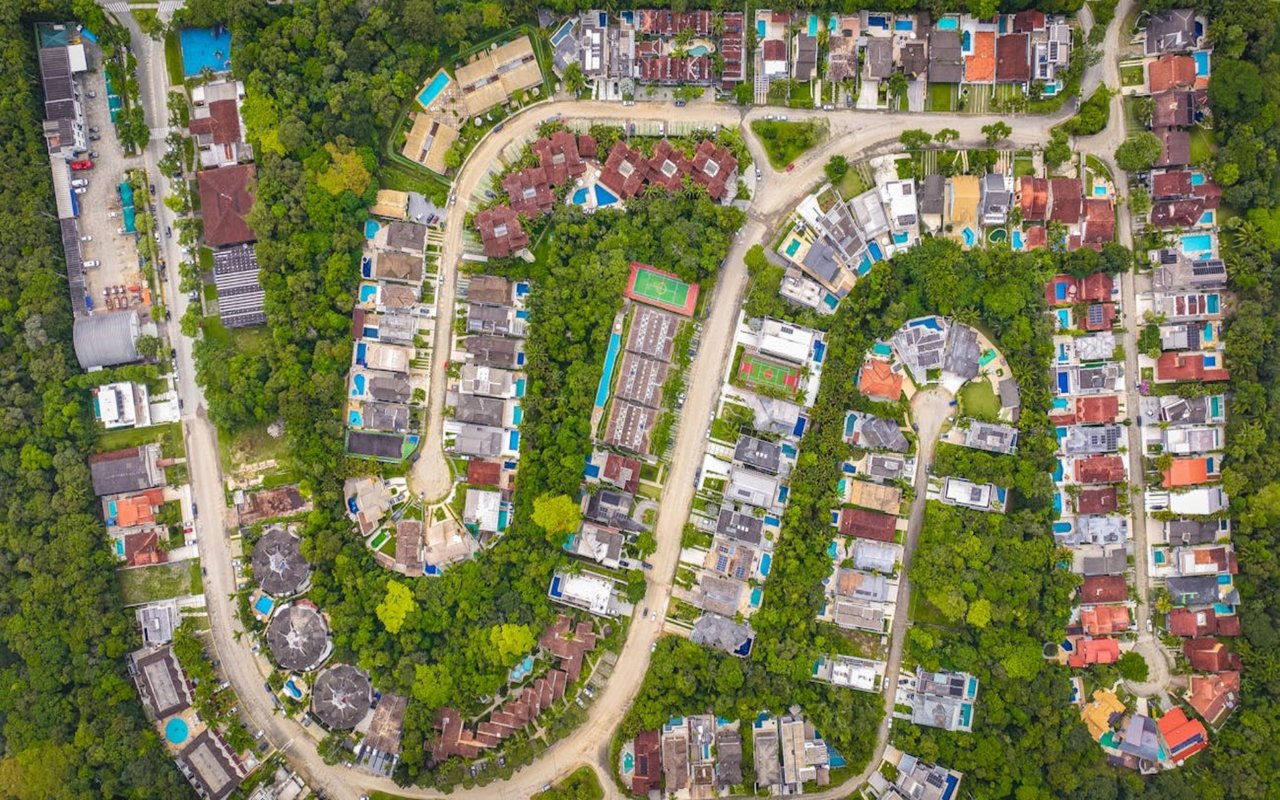
Price is only one part of the story. Tampa also offers a wider mix of homes because its inventory stretches across downtown redevelopment, business districts, historic areas, and suburban neighborhoods.
That usually translates into more options across condos, townhomes, older single-family homes, and newer mixed-use communities. If you want to compare different home styles and price points within one city, Tampa generally gives you more to choose from.
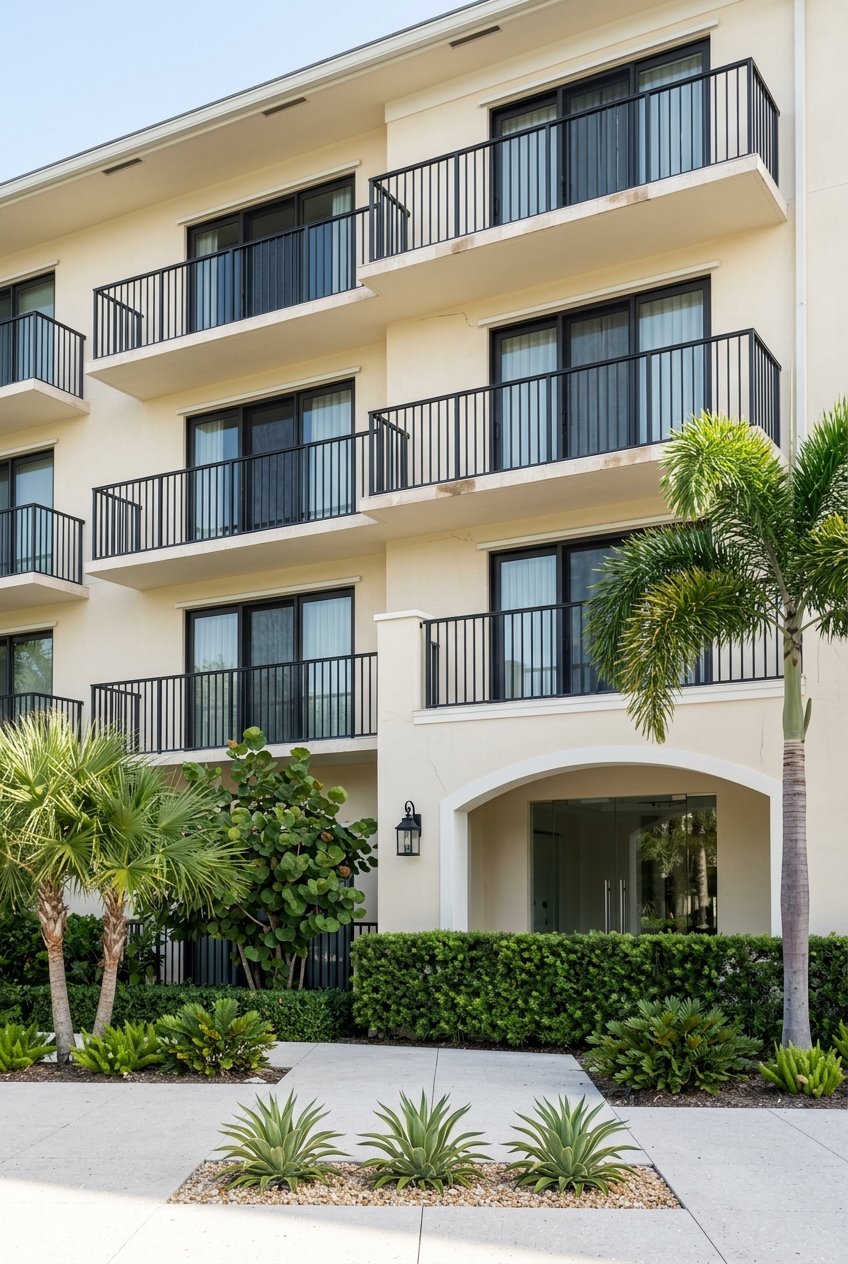
By contrast, the beach markets are more geographically constrained and often more condo-heavy. That can work well if you want low-maintenance coastal living, but it may feel limiting if you need more flexibility in layout, parking, lot size, or price.
Coastal Living Comes With Tradeoffs
Living near the Gulf can be incredible, but it is important to weigh the practical side too. Clearwater Beach is a barrier island, and Pinellas County has about 39 miles of coastline, which naturally shapes both housing supply and risk exposure.
St. Pete Beach, for example, carries extreme flood and wind risk, with 99 percent of properties at risk of severe flooding over the next 30 years and 100 percent at extreme wind risk. Those realities can affect your comfort level, insurance considerations, long-term planning, and what kind of property feels manageable.
For some buyers, those tradeoffs are worth it for the water access and lifestyle. For others, Tampa feels like the more balanced choice because it can offer better value and fewer coastal complications while still keeping the beaches within reach.
Schools Depend on the Exact Address
If schools are part of your decision, it helps to avoid broad assumptions. In both Hillsborough and Pinellas counties, school fit is highly address-specific.
Hillsborough County Public Schools is the seventh-largest district in the nation. In its 2024 to 2025 impact report, the district said 98 percent of schools received an A, B, or C grade, 12 high schools posted graduation rates above 95 percent, and families can apply to more than 100 tuition-free programs across 43 magnet schools.
Pinellas County Schools also reported strong district-wide outcomes, including an A grade for the second consecutive year, a 93.4 percent graduation rate for 2024 to 2025, and more than 80 magnet and fundamental programs. In both counties, the best next step is to check the exact school zone and available choice programs for any address you are considering.
Who Tampa Is Best For
Tampa is often the better fit if your priorities center on convenience, flexibility, and access to major regional hubs. It tends to work well for buyers who want:
- Easier access to Westshore, downtown, and other major job centers
- A wider range of home styles and price points
- More urban energy and all-day activity options
- Shorter or simpler routines that avoid frequent cross-bay travel
- Cultural venues, sports, dining, and entertainment close to home
If you are relocating, this can be especially helpful. Tampa often gives you a strong everyday base while still keeping the beaches available for weekend plans.
Who the Beach Towns Are Best For
The Pinellas beach communities may be the better match if your lifestyle goals come first and you are comfortable with the premium that often comes with them. They can be a strong fit if you want:
- Daily access to the water and Gulf-facing recreation
- A resort-style setting with sunset-oriented living
- Coastal condos or waterfront homes
- A leisure-focused atmosphere shaped by dining, tourism, and beach activity
- A home that feels more like a retreat than a city base
That said, this choice usually asks you to accept higher pricing, seasonal traffic, and greater storm exposure. If those tradeoffs feel manageable, the beach towns can offer a very specific kind of Florida lifestyle.
The Best Choice Depends on Your Routine
If you love the beach but still need a practical home base, Tampa may be the better overall answer. It offers stronger job-center access, more housing variety, and a more complete city lifestyle at a lower typical price point than many top beach communities.
If your dream is to live close to the Gulf and shape your day around waterfront living, the beach towns may be worth the extra cost and complexity. The key is being honest about what supports your daily life, not just your ideal postcard version of Florida.
When you match your home search to your real routine, the right choice becomes much easier to see.
If you want help comparing Tampa with the beach towns based on your commute, budget, and lifestyle goals, Jenny Neumeyer can help you narrow down the right fit with local insight and clear next steps.
FAQs
Is Tampa more affordable than the Pinellas beach towns?
- Based on March 2026 market data, Tampa had a median sale price of $432,500, compared with $599,000 in St. Pete Beach and about $906,700 median listing price in Clearwater Beach.
Is living in Tampa easier for commuting than living near the beach?
- It often is if your work and daily routine are centered in Tampa, especially because cross-bay travel through major bridge corridors can add complexity even when average commute times look similar.
Are Tampa and the beach towns in the same housing market?
- They are part of the same metro area, but they function differently in everyday life, with Tampa offering broader housing variety and the beach towns operating more like constrained coastal submarkets.
Are schools better in Tampa or Pinellas beach communities?
- School fit depends on the exact address and available choice programs, so it is best to verify school zones and district options for each property you are considering.
Is Tampa or beach-town living better for relocation?
- Tampa is often the stronger fit for relocators who want job access, urban convenience, and more price flexibility, while the beach towns may appeal more to buyers prioritizing waterfront lifestyle first.