Wondering what “waterfront village living” in Tarpon Springs really feels like? It is easy to picture a generic Florida beach town, but Tarpon Springs offers something more specific: a compact waterfront setting shaped by sponge boats, walkable streets, boating access, and a long-standing historic identity. If you are trying to decide whether this lifestyle fits your next move, this guide will help you understand what daily life, housing options, and practical tradeoffs look like in Tarpon Springs. Let’s dive in.
What Makes Tarpon Springs Different
Tarpon Springs’ waterfront identity centers on the Sponge Docks, Dodecanese Boulevard, Spring Bayou, and the Anclote River. According to the City of Tarpon Springs, this area is part of the historic downtown and working waterfront, with room for marine and industrial uses alongside visitor activity. That mix is a big reason the area feels distinct from many other coastal communities.
This is not a large resort-style district or a stretch of high-rise beach towers. The city’s Special Area Plan describes the Sponge Docks as having a village-like scale, charm, and a strong sense of place. In simple terms, you get a waterfront setting that feels active and historic rather than polished into something generic.
Waterfront Life in the Village Core
Walkable Docks and Daily Activity
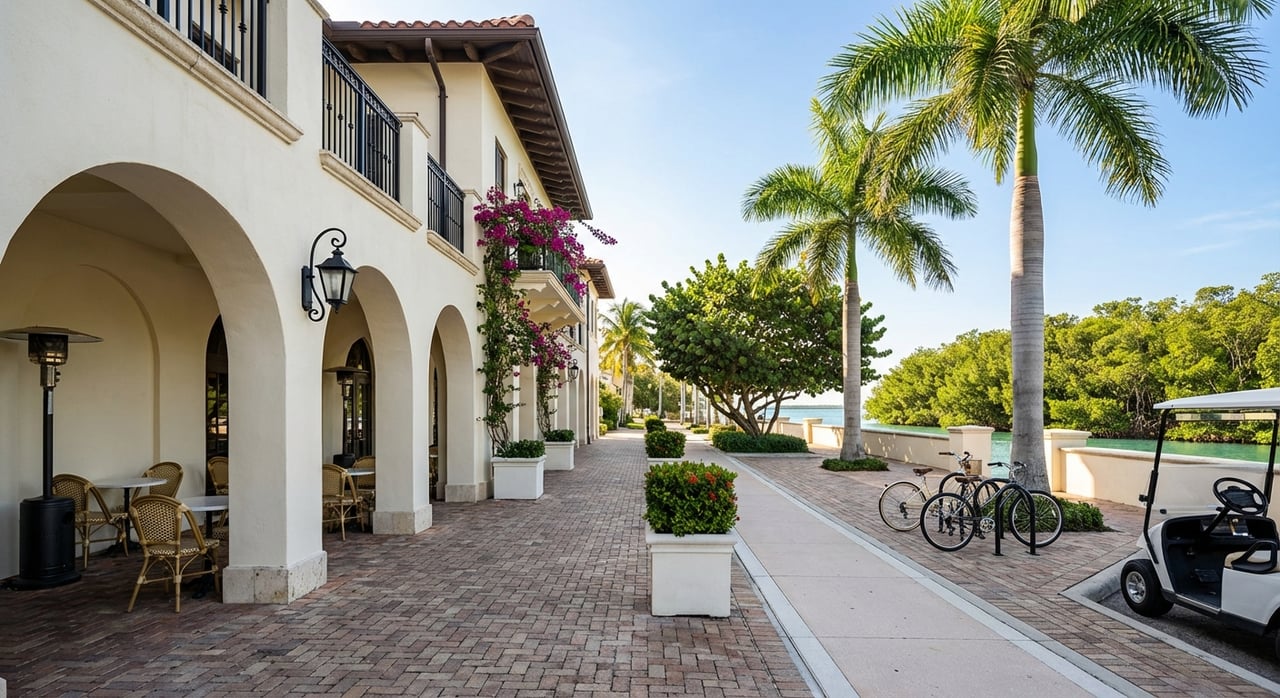
The Sponge Docks area is known as a pedestrian-friendly waterfront district. Tourism materials describe a place where you can walk the docks, see sponge boats, browse shops, and stop for a meal, all within a compact area. Some of the original family-run businesses connected to the early sponge industry still remain, which adds to the area’s local character.
That matters if you want a neighborhood where the waterfront is part of your routine, not just your weekend plan. You may be able to start the day with a walk, grab a casual meal nearby, and spend time near the water without needing to drive from one place to the next. The atmosphere is more village-like than sprawling.
A Working Waterfront Feel
One of the most important things to understand is that Tarpon Springs is both a recreational waterfront and a working waterfront. The city describes the area that way, and it shapes how the district feels day to day. You are not just living near the water for the view. You are living near a place with dock activity, marine use, and a long local history tied to the waterfront.
For many buyers, that is the appeal. If you want a place with personality and motion, this setting can feel more authentic than a newer coastal development built around one lifestyle concept.
Boating and Outdoor Access
Marina and Boat Launch Options
Boating is a major part of waterfront living in Tarpon Springs. The City’s Municipal Marina at 100 Dodecanese Boulevard offers long-term and transient dockage, 30- and 50-amp electric service, restroom and shower facilities, and parking. If keeping a boat nearby is part of your plan, that is an important local asset.
The city also lists boat launches at Craig Park and Sunset Beach, plus a kayak launch on the Anclote River. That gives you multiple ways to enjoy the water depending on how you like to spend your time. Whether you are heading out by boat or keeping things simple with a paddle launch, access is built into the local lifestyle.
Parks That Support Waterfront Living
Craig Park adds another layer to the waterfront experience. The city describes it as having a saltwater boat launch and a scenic walkway around Spring Bayou, which gives the area a quieter residential-waterfront feel. It is a good example of how Tarpon Springs mixes public space with daily waterfront living.
North Anclote River Nature Park expands the outdoor side of the story with a fishing pier, boardwalk, canoe launch, bike trails, picnic areas, and restrooms. If your version of coastal living includes more than just a water view, these public spaces help make the area feel livable and active.
Shopping, Dining, and Events
Visit St. Pete/Clearwater reports that the Sponge Docks area has well over 100 shops and about 15 restaurants. That supports a lifestyle where dining, browsing, and meeting up with friends can happen close to home. The pattern here is compact and convenient, not spread out across a huge entertainment zone.
The city also regularly promotes events in the waterfront core, and Sunset Beach hosts a free concert series. That activity adds energy, but it also means some days can feel busier than others. Limited onsite parking and shuttle service during events are good reminders that living in an active waterfront district comes with more foot traffic and seasonal crowds.
What Homes Fit This Lifestyle
Common Property Types
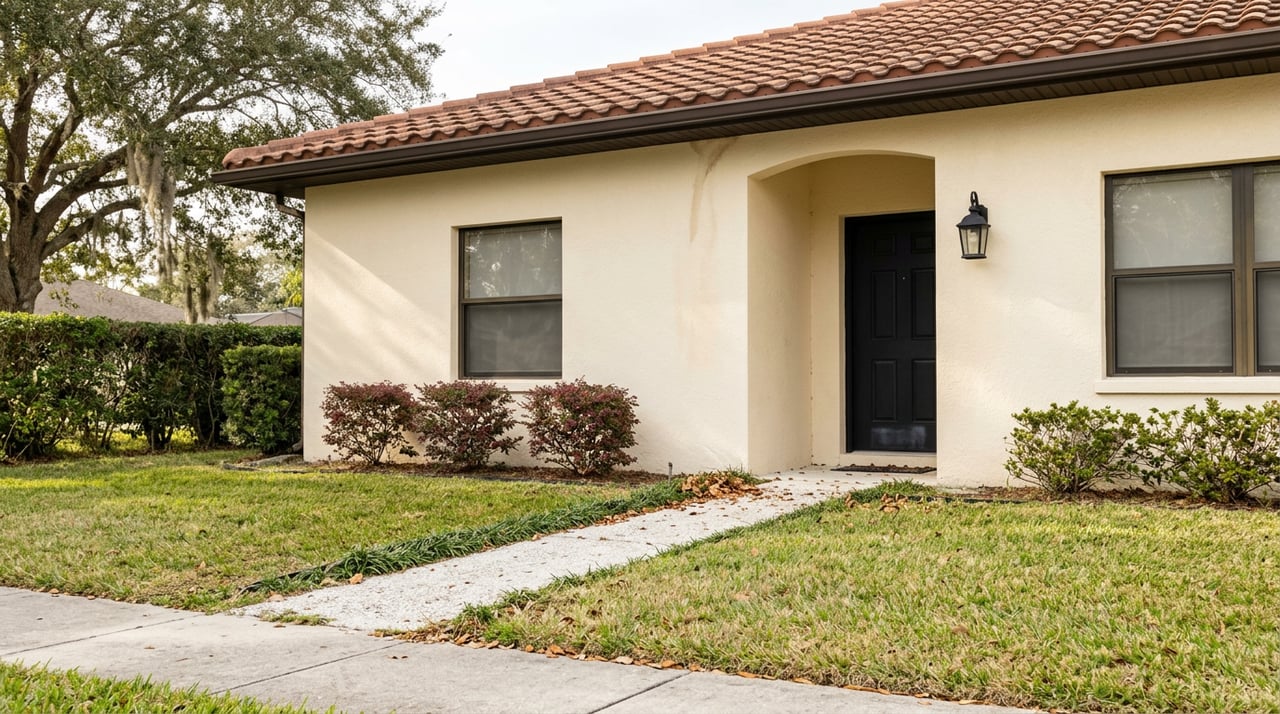
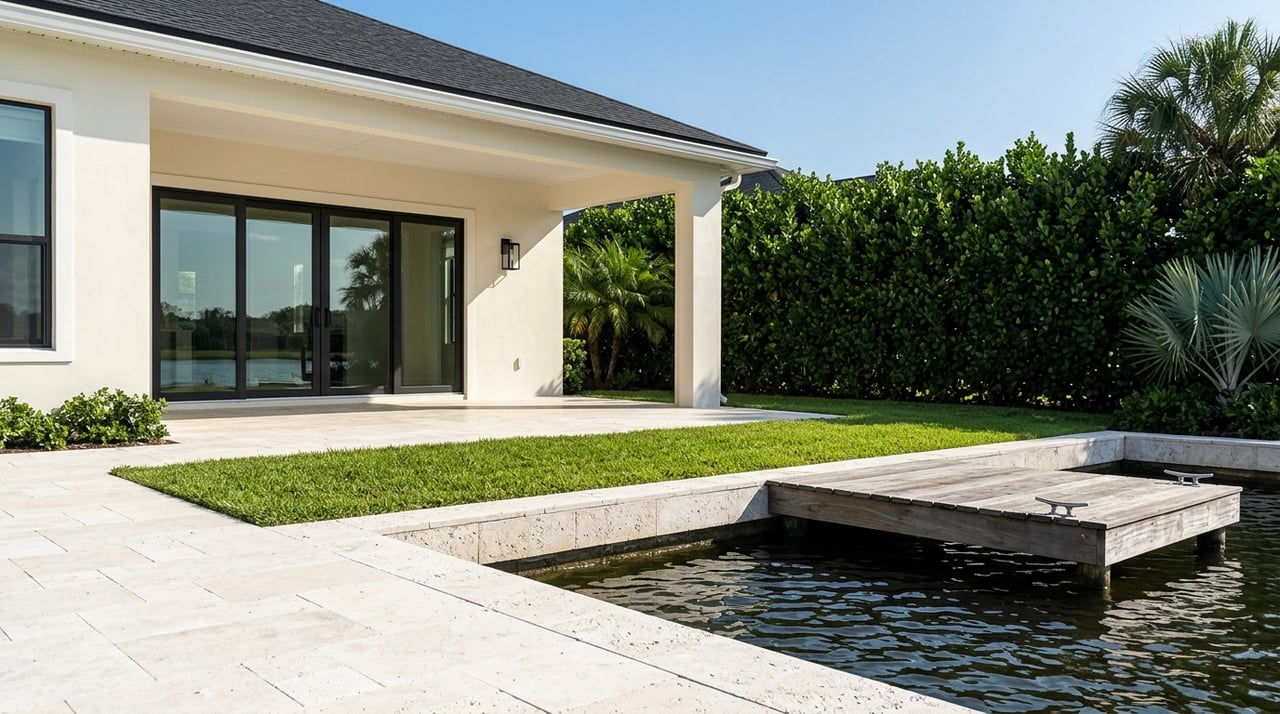
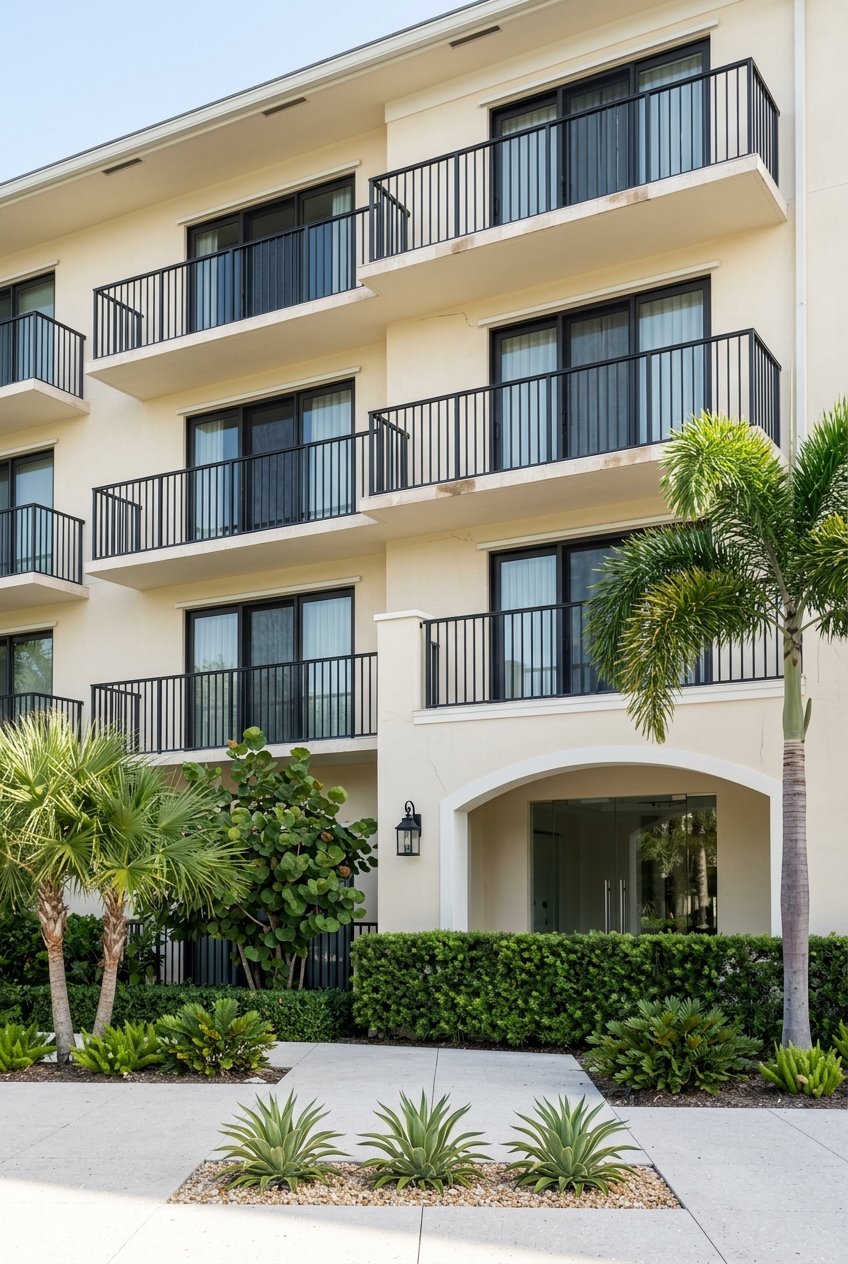
Current listing snapshots show that Tarpon Springs waterfront inventory is broad, but still very tied to the local setting. Buyers may see canal-front condos, waterfront townhome-style units, Gulf-access homes, mixed-use properties near the docks, and some older historic homes. That variety gives you more than one way to enter the market depending on your goals and budget.
If you are looking for a lock-and-leave option, a condo or townhome may fit. If direct water access matters more, canal-front or Gulf-access homes may be the better match. If you are thinking about live-work flexibility or rental potential, mixed-use property near the docks may also show up in your search.
Low-Rise and Village-Oriented
One theme stands out in both listings and city planning documents: Tarpon Springs waterfront living tends to be low-rise, canal-oriented, and shaped by the pedestrian experience. The city’s planning framework focuses on building form, density, and preserving the character of the area. That supports the village feel many buyers are looking for.
In practice, that means you are more likely to find a human-scale waterfront environment than a skyline of towers. For buyers who want character and walkability, that can be a major plus.
Historic Character Matters
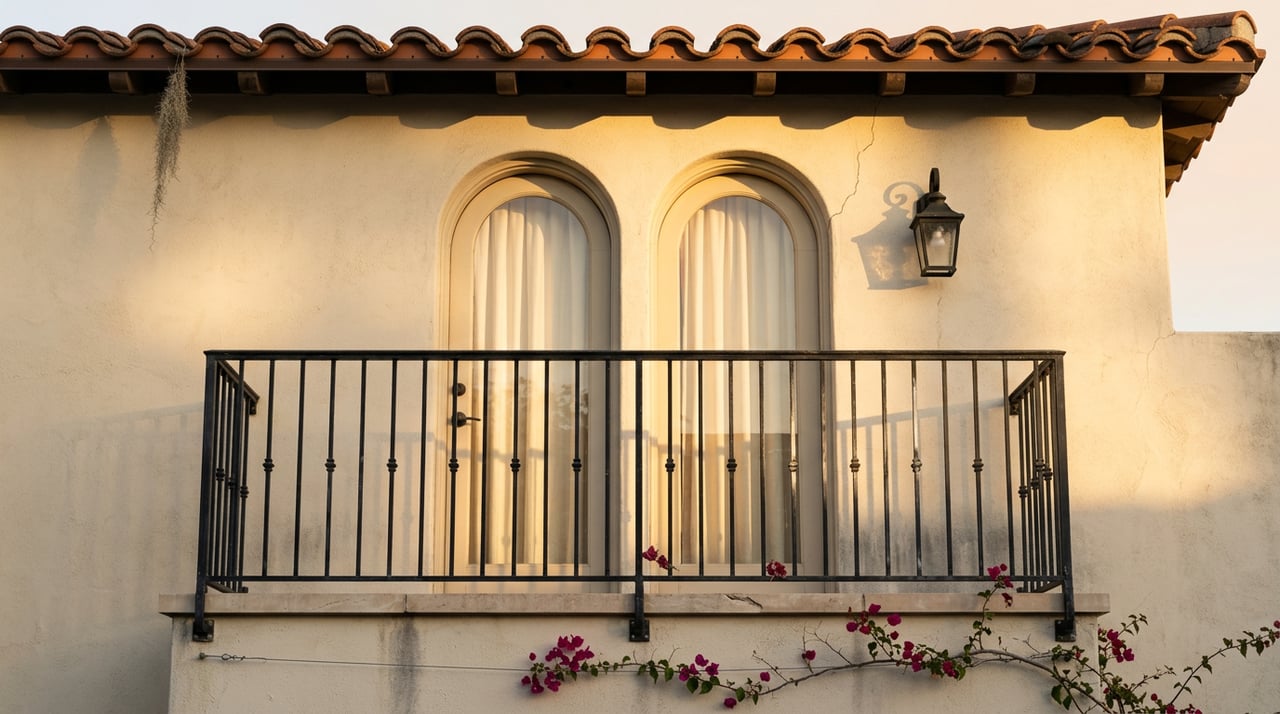
The Special Area Plan includes the Sponge Docks, parts of downtown, and the historic district. So when you shop in this area, you are not only shopping for water access. You are also buying into a setting where preserving the look and feel of the neighborhood plays a meaningful role.
That can be especially appealing if you prefer older homes or established areas with a strong identity. At the same time, it is smart to understand that historic character can come with added review requirements for certain property changes.
Practical Tradeoffs to Know
Flood Planning Is Essential
If you are buying near the water in Tarpon Springs, flood risk needs to be part of your due diligence from day one. Pinellas County says everyone lives in a flood zone, flood zones are different from evacuation zones, and standard homeowners insurance usually does not cover flood damage. The county also notes that flood insurance policies generally take 30 days to become effective.
Tarpon Springs also has multiple flood designations, including AE and VE zones, and the city provides elevation certificate guidance for structures in special flood hazard areas. For buyers, this means you should look closely at the property’s flood designation, insurance needs, elevation information, and overall storm-readiness before you move forward.
Hurricane Readiness Is Part of Coastal Living
The city’s emergency management materials say hurricane season runs from June 1 through November 30. Residents are expected to know their evacuation zone, and the city notes that coastal and beach communities can be among the first to evacuate when a storm threatens. That is part of the reality of buying in a coastal location.
This does not mean waterfront living is not worth it. It simply means you should go in with a practical plan and clear expectations. Buyers who are prepared often feel much more confident about the lifestyle.
Historic Review Can Add Steps
If you are considering an older home or property in a historic area, exterior changes may involve more review than they would in a typical suburban neighborhood. The city’s Heritage Preservation Board handles Certificates of Appropriateness and related historic preservation review. That is important to know if you plan to renovate or make visible exterior updates.
For the right buyer, that extra step is a fair trade for living in a place with lasting character. It is just better to know it up front so there are no surprises later.
Busy Event Days Are Part of the Deal
A compact waterfront village is appealing because so much is close together. The flip side is that parking, traffic flow, and crowd levels can shift during events and peak tourist periods. If you love energy and activity, that may feel like part of the charm. If you prefer a quieter day-to-day rhythm, it is worth visiting the area at different times before you buy.
Who Tarpon Springs Waterfront Village Living Fits Best
This lifestyle often works well for buyers who want more than just a water view. It can be a strong fit if you value walkability, boating access, local history, and a neighborhood that feels active and connected to its waterfront. It may also appeal to relocators and second-home buyers who want a coastal setting with a clear identity.
It may be less ideal if you want a newer master-planned environment, lots of separation from visitor activity, or a fully private resort feel. Tarpon Springs offers character, public waterfront spaces, and a village-scale core. That is exactly why many buyers love it.
Why Local Context Matters When You Buy
In a place like Tarpon Springs, the details matter. Two homes may both be called waterfront, but the experience can differ based on boating access, flood designation, proximity to the docks, historic district considerations, and how much activity you want around you. That is why local guidance is so valuable when you start narrowing down neighborhoods and property types.
If you are exploring Tarpon Springs for a move, relocation, or coastal investment, it helps to work with someone who can translate lifestyle into practical decision-making. The goal is not just to find a home with water nearby. It is to find the right fit for how you want to live.
If you are thinking about buying or selling in Tarpon Springs, Jenny Neumeyer can help you sort through the local details and move forward with confidence.
FAQs
What is waterfront village living in Tarpon Springs?
- It is a compact coastal lifestyle centered around the Sponge Docks, Dodecanese Boulevard, Spring Bayou, and the Anclote River, with a mix of boating, walkability, historic character, shops, and restaurants.
Is the Sponge Docks area in Tarpon Springs walkable?
- Yes. The Sponge Docks core is described as pedestrian-friendly, with shops, restaurants, and dock activity concentrated along a walkable waterfront corridor.
What types of homes are common near the Tarpon Springs waterfront?
- Buyers are likely to see condos, townhomes, canal-front homes, Gulf-access properties, mixed-use buildings, and some older historic homes.
Can you keep a boat near the Tarpon Springs waterfront?
- Yes. The city marina offers dockage and services, and the city also lists boat launches at Craig Park and Sunset Beach, plus a kayak launch on the Anclote River.
What should buyers know about flood risk in Tarpon Springs?
- Buyers should review the property’s flood zone, insurance needs, elevation information, and evacuation planning, since Pinellas County says everyone lives in a flood zone and standard homeowners insurance usually does not cover flood damage.
Do historic properties in Tarpon Springs have extra rules?
- They can. The city’s Heritage Preservation Board handles Certificates of Appropriateness and related review for historic preservation, which may affect exterior changes on certain properties.