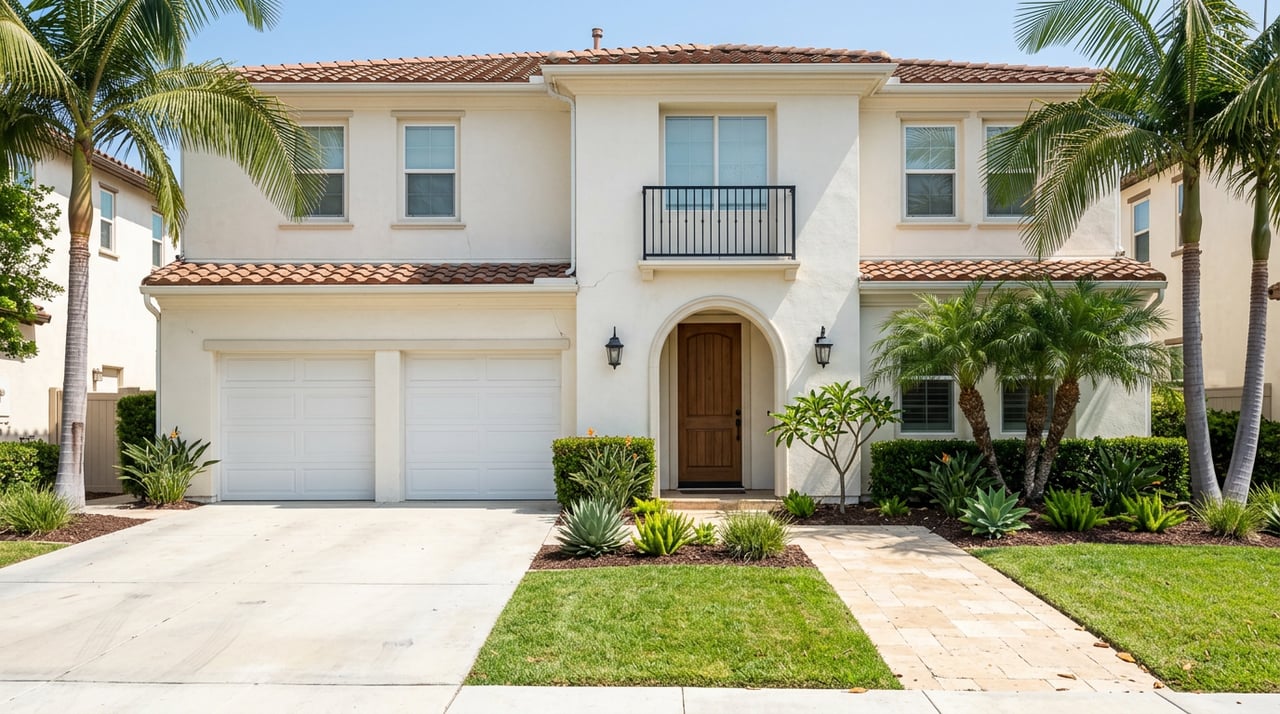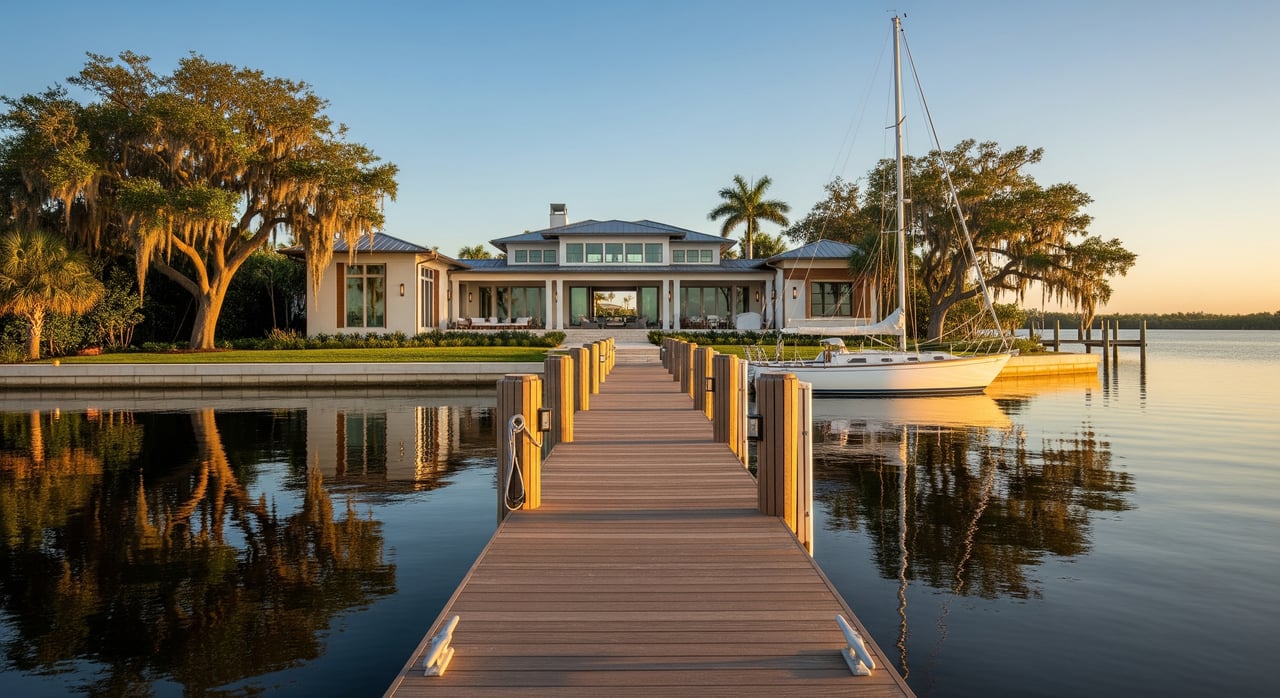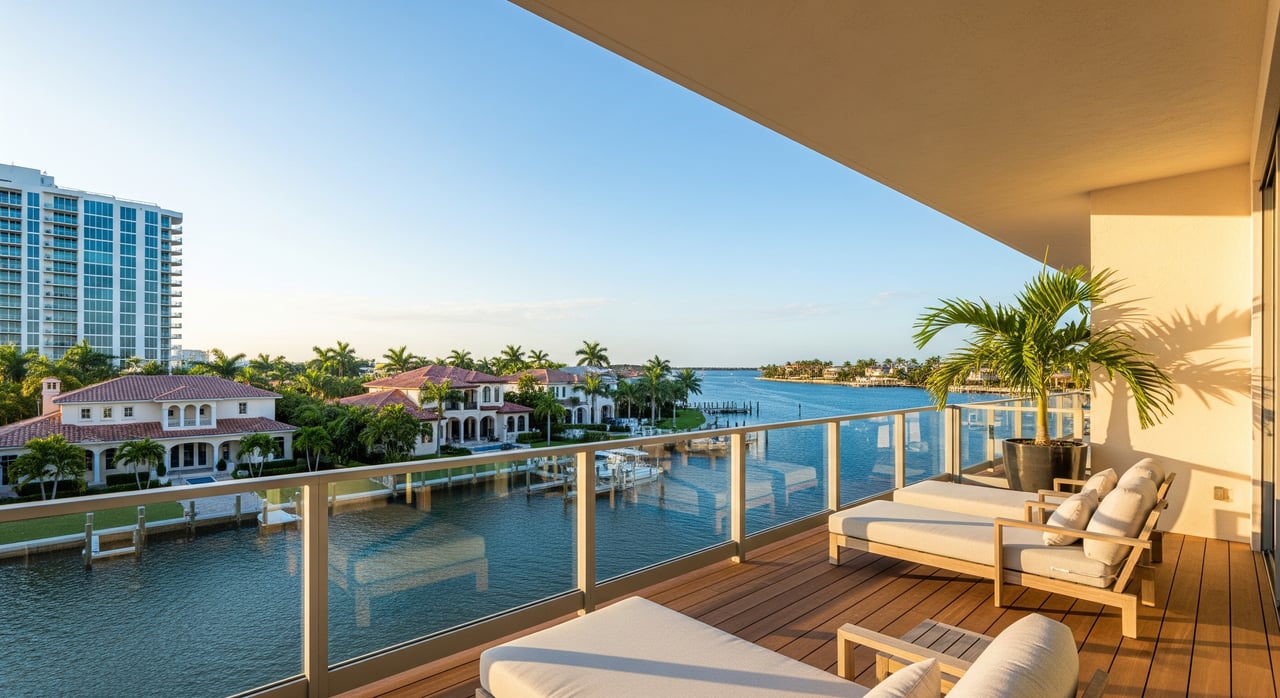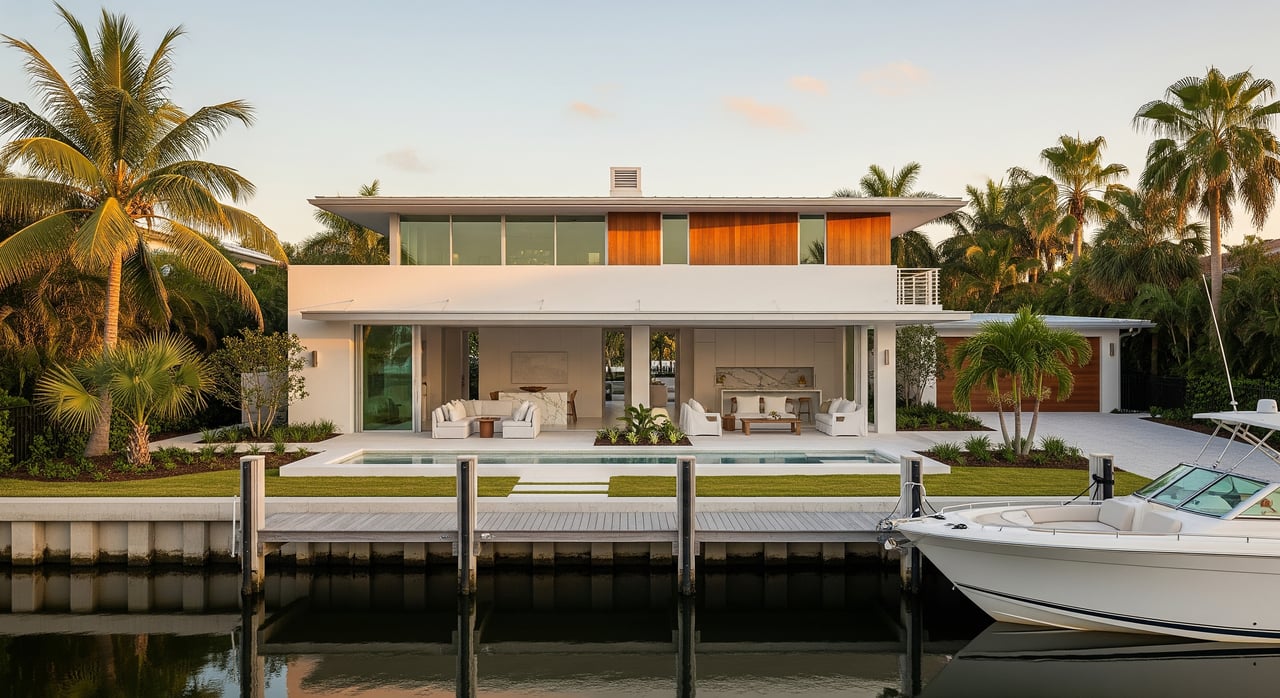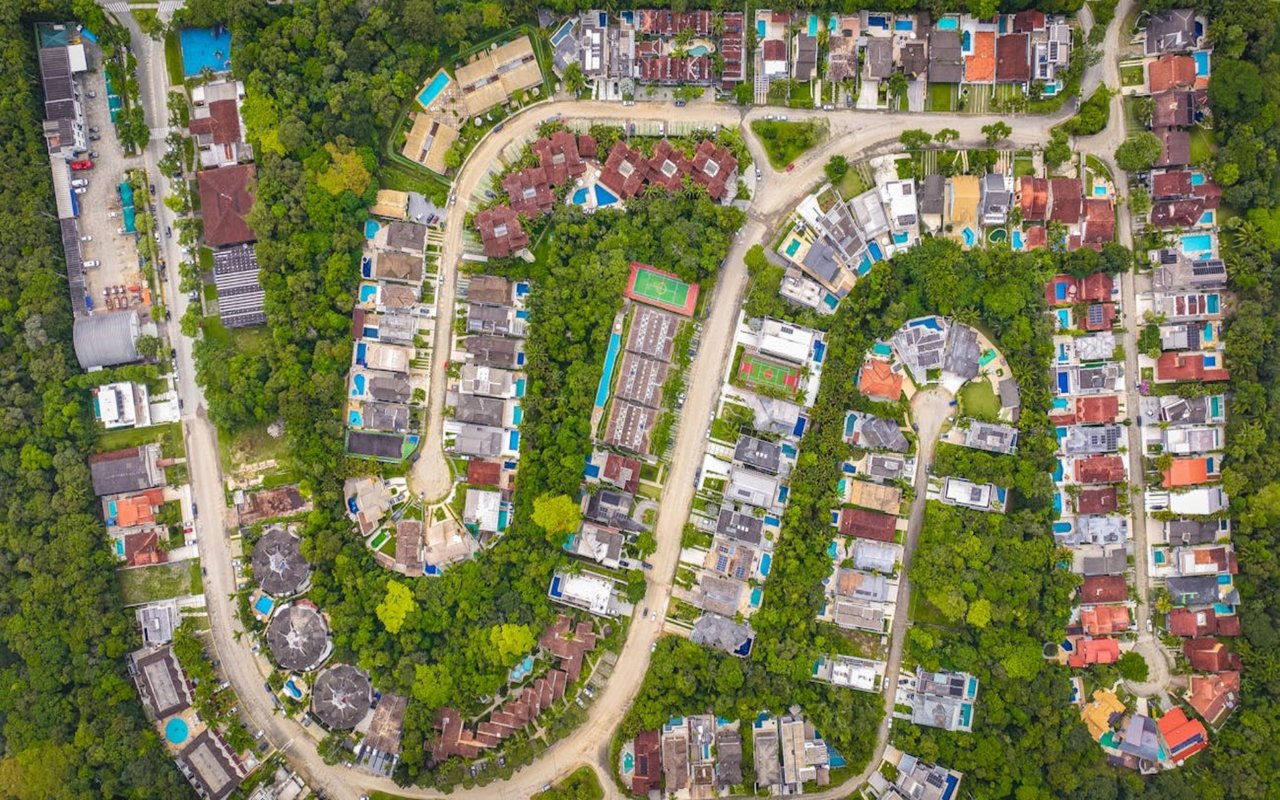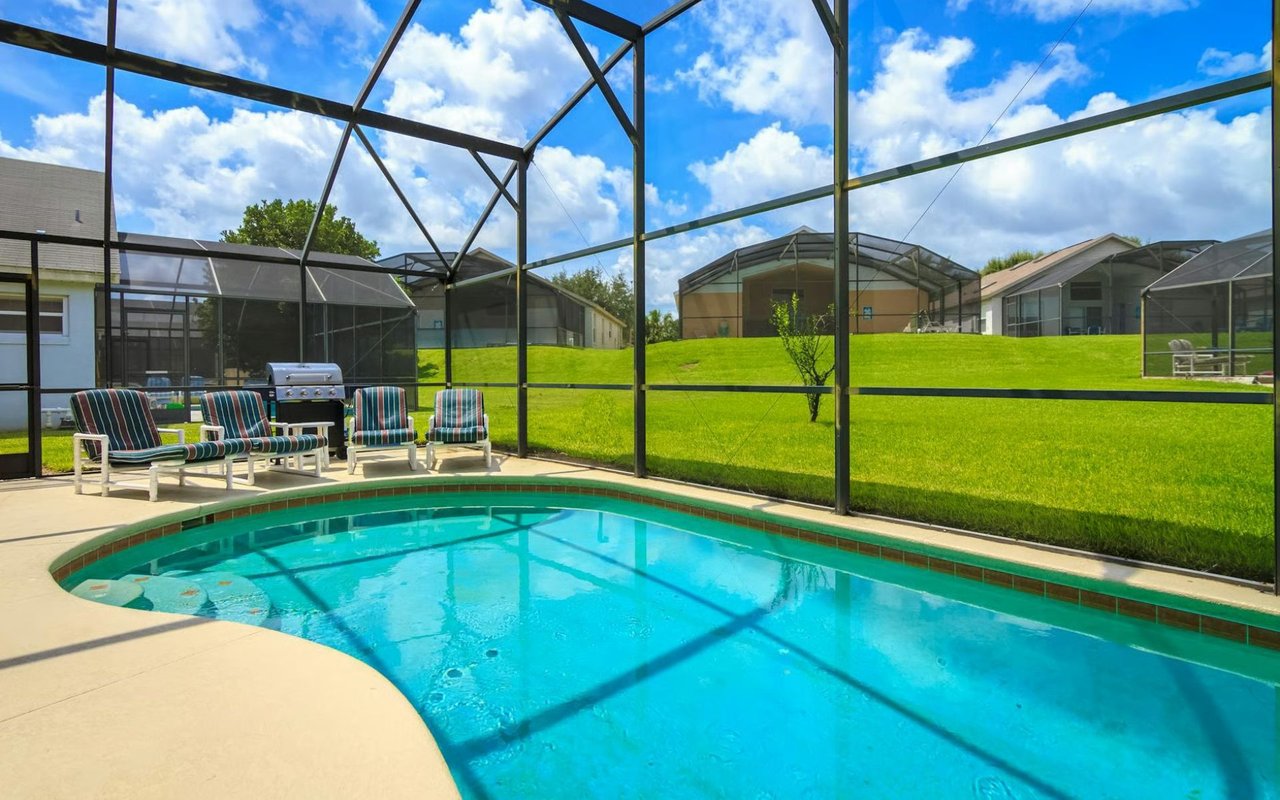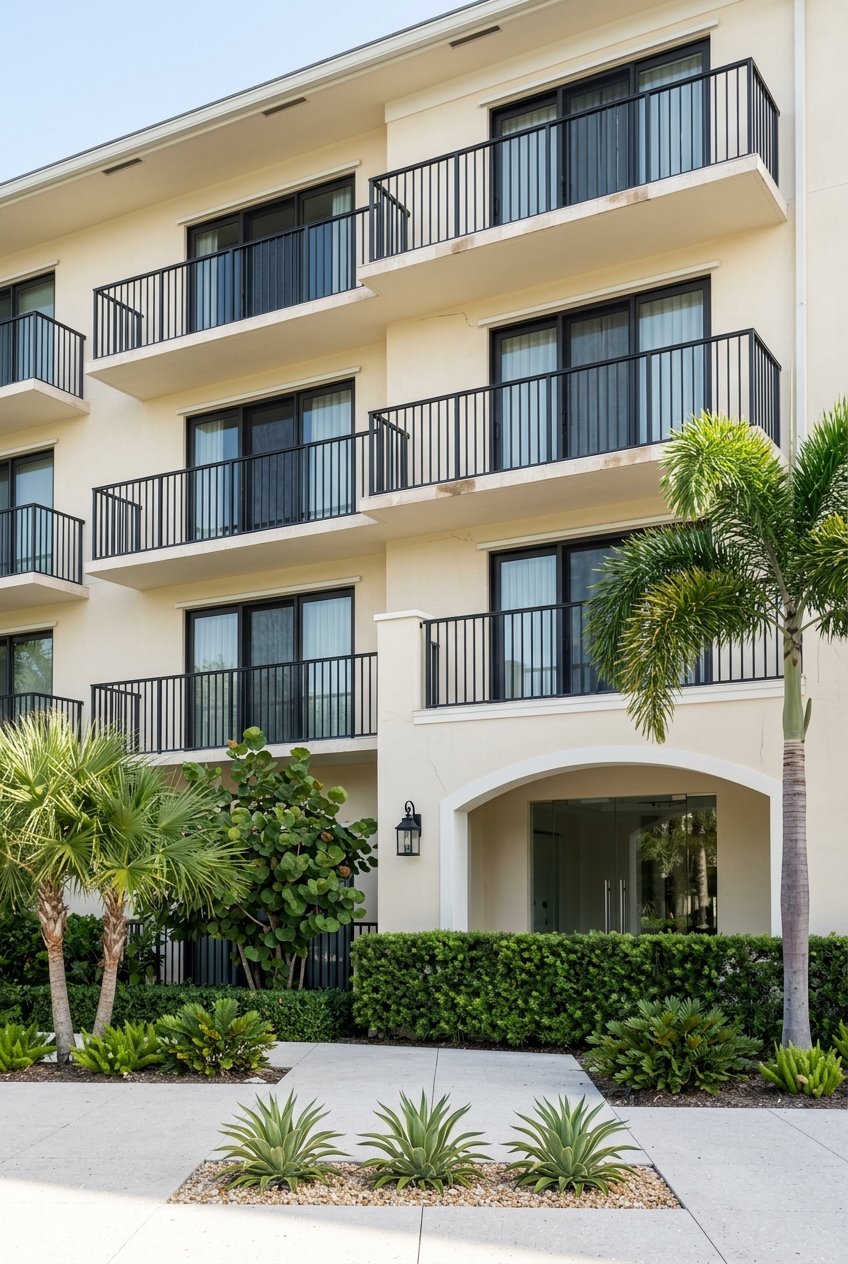
Wondering whether a Clearwater Beach condo or house is the better fit for your lifestyle and budget? It is a common question, especially when you are balancing beach access, maintenance, insurance, and future rental plans. In a coastal market like Clearwater, the right choice often comes down to how much risk, responsibility, and flexibility you want to take on. Let’s break down what matters most so you can make a smart, confident decision.
Start With the Biggest Difference
A Clearwater Beach condo and a house can both give you access to the coastal lifestyle, but they come with very different ownership experiences. A condo usually means shared building systems, association rules, and monthly dues. A house usually gives you more direct control, but it also means you are responsible for more of the property yourself.
That difference matters even more near the beach. In Clearwater and across Pinellas County, flood risk exists countywide, so insurance, building condition, and long-term maintenance should be part of your decision from day one. If you are comparing options, you are really comparing two different ways of managing coastal ownership.
Why Condos Appeal to Beach Buyers
For many buyers, condos are attractive because they simplify certain parts of beach living. Building maintenance, common areas, and some exterior systems are typically handled through the association. That can feel easier if you want a low-maintenance second home, a primary residence with less upkeep, or a property with shared amenities.
Condos can also give you access to locations and views that may be harder to find in a standalone home at the same price point. But that convenience comes with a tradeoff. You are not just buying the unit. You are also buying into the association’s financial health, repair planning, and rules.
Condo documents matter more than ever
In Florida, condo ownership is heavily tied to the association. Annual budgets must include reserve accounts for capital expenditures and deferred maintenance, based on estimated remaining useful life and replacement cost or deferred maintenance expense. For many coastal condo buildings, that makes reserve planning a major part of the buying decision.
For buildings that are three habitable stories or higher, structural integrity reserve studies are especially important. These studies review major components like the roof, structure, fireproofing, plumbing, electrical systems, waterproofing, exterior painting, windows, and exterior doors, along with certain other required items. They also must include a reserve-funding plan.
Older condo buildings need extra review
If you are looking at an older beachfront or near-beach condo, building age deserves close attention. In Florida, milestone inspections apply to residential condominium and cooperative buildings that are three or more habitable stories once they reach 30 years of age, or 25 years if a local enforcement agency uses the lower threshold. The age is measured from the certificate of occupancy.
That does not automatically make an older condo a bad choice. It does mean you should look closely at whether required inspections and reserve studies have been completed, and whether the association budget actually aligns with the funding plan. If the budget and funding plan do not match, Florida law requires an updated study before the budget is adopted.
Why a House May Feel Simpler
A single-family house offers a different kind of control. You are not relying on a condo association to plan reserves, schedule major building inspections, or manage shared repairs. For many buyers, that makes the decision process feel more straightforward.
If the home has three or fewer habitable stories above ground, it is also outside the milestone-inspection and structural integrity reserve study framework that applies to many condo buildings. Of course, coastal risks still apply. You still need to evaluate flood exposure, insurance needs, permit history, and the condition of the home itself.
More control also means more responsibility
With a house, you are generally responsible for the roof, exterior, systems, and ongoing maintenance. That can be a plus if you want autonomy and fewer shared rules. It can also mean more planning, more hands-on ownership, and potentially more variable costs over time.
If you like the idea of making your own decisions without association oversight, a house may be a better fit. If you would rather have building systems managed through a shared structure, a condo may feel easier.
Compare Insurance Carefully
Insurance is one of the most important parts of this decision in Clearwater Beach. Most Florida homeowners policies do not cover flood damage, so flood coverage is usually purchased separately or added by endorsement. In some cases, a lender may require flood insurance, and Pinellas County notes that federally regulated or insured lenders require flood insurance for buildings in a FEMA Special Flood Hazard Area when there is a federally backed mortgage.
That means you should not assume a property is fine just because it is popular or close to the beach. A specific address may have very different insurance implications depending on flood zone, elevation, proximity to water, construction method, and rebuild cost.
Condo and house coverage are not the same
A condo owner usually needs an HO-6 policy. In Florida, that type of policy primarily covers personal property and liability, along with some structure coverage and required loss-assessment coverage of at least $2,000 with a deductible no greater than $250.
A homeowners policy for a house is broader. It typically covers the dwelling, attached structures, certain unattached structures, personal property, additional living expense, and liability. So while a condo may look easier on the surface, your total cost picture depends on both your personal policy and what the association insures at the building level.
Flood Risk Is a Clearwater Reality
Pinellas County makes it clear that flood risk exists countywide. It also explains that flood zones, evacuation zones, and storm surge zones are different tools. For insurance purposes, federal flood-insurance requirements are based on the FEMA Flood Insurance Rate Map, not county flood maps.
That is why address-level due diligence matters. Two properties that seem close together can have different flood and insurance profiles. A home or condo slightly farther from the beach but on higher ground may present a different risk picture than one closer to the sand on lower ground.
What to verify before you buy
When comparing a condo and a house, focus on the same core checks for both:
- FEMA flood zone
- Elevation
- Permit history
- Building or property condition
- Expected insurance structure
- Intended rental use
In Clearwater Beach, these factors can shape your monthly costs and long-term comfort just as much as square footage or view.
Rental Plans Need a Reality Check
A lot of buyers picture offsetting costs with short-term rentals. In Clearwater, that assumption can lead to disappointment if you do not check the rules early.
In Clearwater residential districts, rentals of less than 31 days or one calendar month are not allowed. Property owners can advertise monthly rentals, but not daily or weekly rentals. So if you are choosing between a condo and a house because you hope to use it as a short-term rental, beach location alone does not make that possible.
Condo rules may be even tighter
City rules are only one layer. Condo declarations, bylaws, and rules can be more restrictive than local zoning. That means a condo that seems rental-friendly at first glance may still limit lease terms, approvals, or occupancy rules.
If you plan to rent the property, review both the city rules and the condo documents before you commit. In Clearwater, rental property also requires a Business Tax Receipt, and the city says residential rental property needs additional information as part of that application.
How To Review a Condo the Smart Way
If you are leaning toward a condo, document review should be a major part of your buying process. Florida law requires buyers to receive key condo documents, including the declaration, articles of incorporation, bylaws and rules, the most recent annual financial statement and annual budget, and the FAQ document. When applicable, milestone-inspection and structural integrity reserve study summaries must also be provided.
Florida also gives condo buyers a 7-day cancellation right after receiving the required documents. If you ask in writing, the contract may be extended by up to 7 additional days. That window is valuable, especially in older coastal buildings where reserves, inspection reports, and planned repairs can have a major impact on your costs.
What to look for in the records
As part of due diligence, official association records can help you understand the full picture. Florida law says official records include accounting records, audits and reviews, structural integrity reserve studies, inspection reports, building permits, and bids for work.
As you review a condo, pay close attention to:
- Building age
- Reserve funding levels
- Inspection summaries
- Major repair plans
- Annual budget trends
- Permit history
- Rental restrictions
For property history, Pinellas County Property Appraiser tools can help verify parcel data and official record links. Clearwater’s permit research tools can also be used to search building permits and planning cases by address and review details like inspections, status, and attachments.
Which Option Fits You Best?
A condo is often the better fit if you want shared-wall convenience, association-managed systems, and a property type where many maintenance items are handled at the building level. It is often the better research project too, because you need to understand the association’s finances, inspections, and rules as much as the unit itself.
A house is often the better fit if you want direct control, fewer association-specific documents, and a more traditional ownership setup. It is usually the simpler research project, but it still requires careful review of flood exposure, insurance structure, permit history, and the condition of the property.
The best choice depends on what matters most to you. If convenience and shared management rank highest, a condo may win. If control and independence matter more, a house may be the better long-term fit.
Buying near Clearwater Beach is exciting, but it is also a decision where local context matters. If you want help comparing condos, houses, flood considerations, and rental rules in Clearwater, Jenny Neumeyer is here to help you find the right fit and move forward with confidence.
FAQs
What is the biggest difference between a Clearwater Beach condo and house?
- A condo usually includes association-managed building systems, shared rules, and reserve funding, while a house usually gives you more direct control and more direct maintenance responsibility.
What condo documents should you review in Clearwater Beach?
- You should review the declaration, articles of incorporation, bylaws and rules, the latest annual financial statement, annual budget, FAQ document, and any applicable milestone-inspection or reserve-study summaries.
What rental rules apply to Clearwater residential properties?
- In Clearwater residential districts, rentals under 31 days or one calendar month are not allowed, so buyers should verify that their intended rental plan matches both city rules and any condo association restrictions.
What insurance difference exists between a condo and house in Florida?
- Condo owners usually need an HO-6 policy for personal property, liability, some structure coverage, and required loss-assessment coverage, while homeowners insurance for a house typically covers the dwelling and other property-related risks more broadly.
What flood-risk checks matter for Clearwater Beach buyers?
- The most important checks include the FEMA flood zone, elevation, permit history, insurance needs, and the difference between flood zones, evacuation zones, and storm surge zones.
What should you ask about an older Clearwater Beach condo building?
- You should ask whether required milestone inspections and structural integrity reserve studies have been completed, what major repairs are planned, and whether the budget aligns with the reserve funding plan.