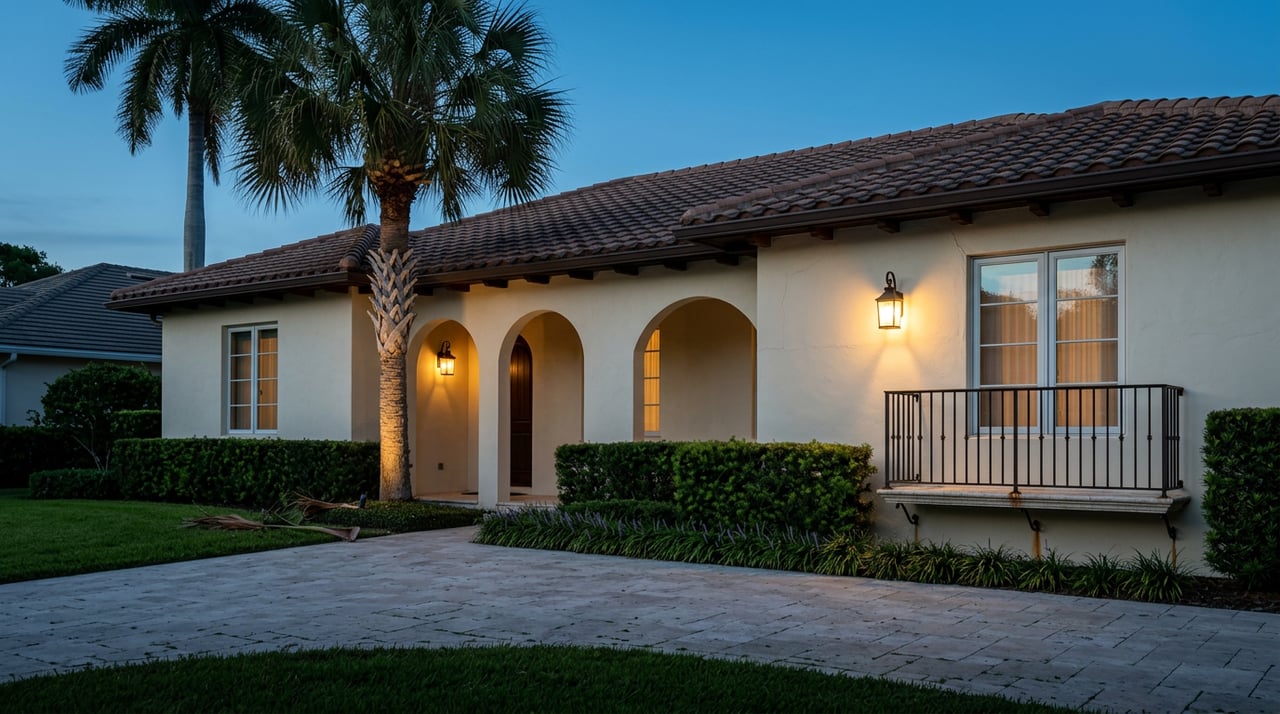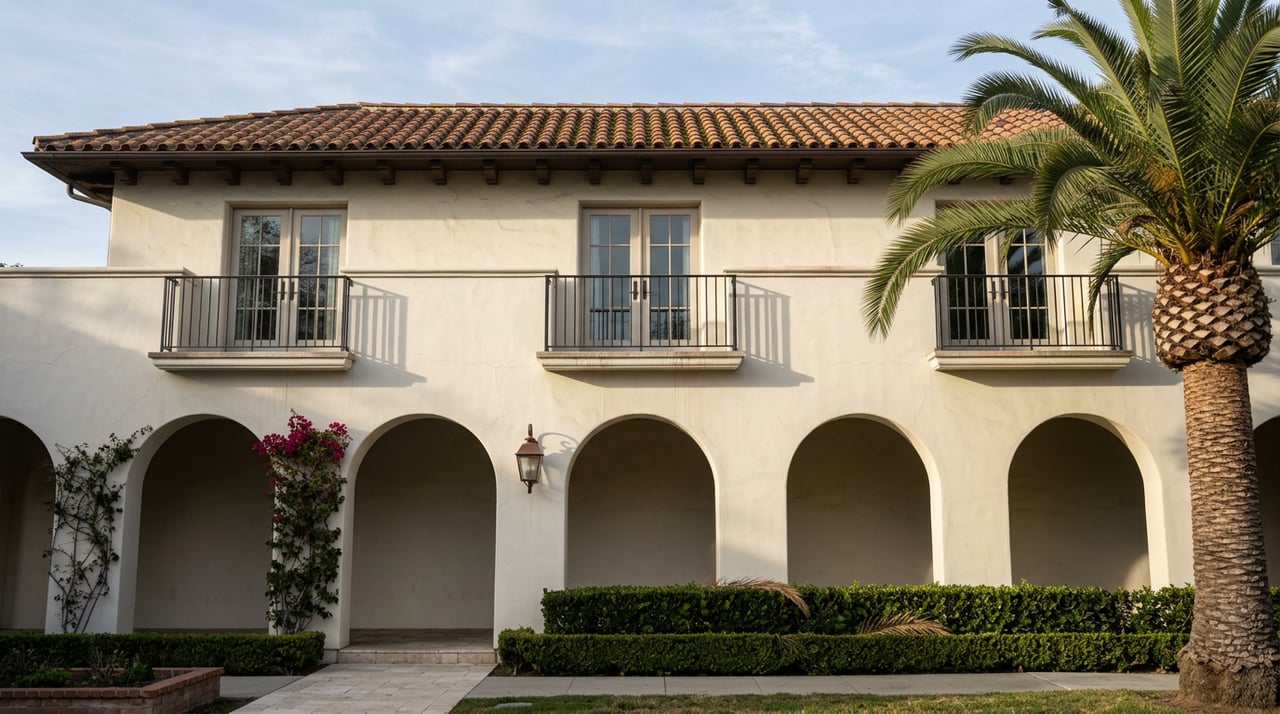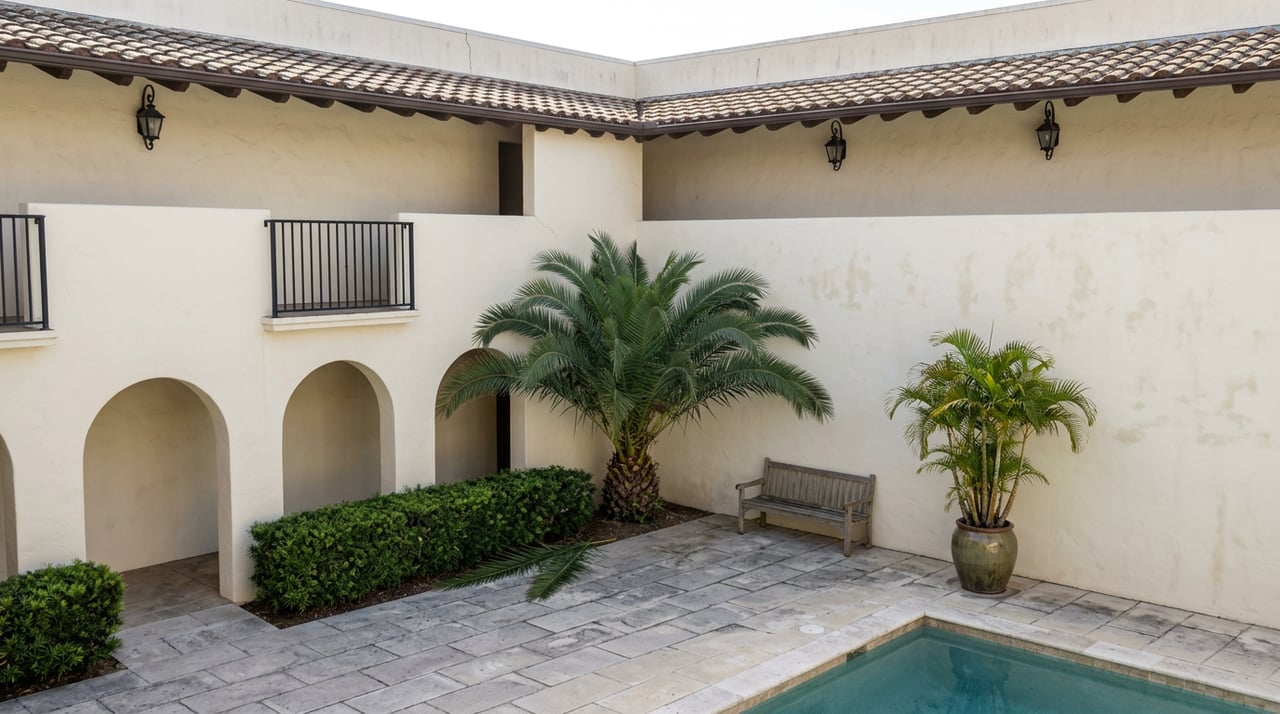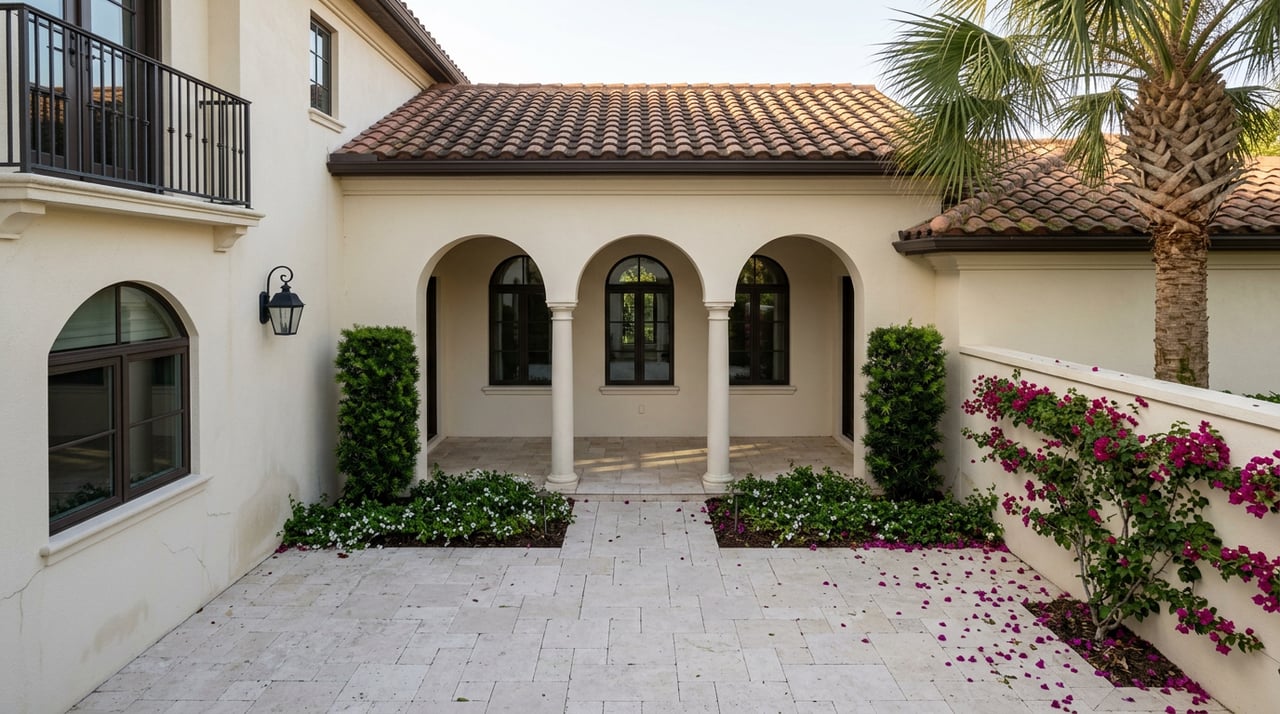
On Monday, November 30, the Tree Lighting Ceremony starts at 7 p.m. at City Hall, as it has in past years. If the deal now in front of the city goes through, future tree lightings would move to a new public plaza on the same ground. The city would schedule its events there the way a tenant does, with notice and a yearly limit on days.
That detail sits in Term 16 of the 31 essential terms Oldsmar City Council approved for Stanbery Development Group's town center. The project covers about eight city-owned acres between Tampa Road, State Street and Washington Avenue. Most coverage has stuck to the headline figures of 240 apartments and a $2 million purchase price. The rest of the terms say more about how downtown would work day to day, and that part is up for public hearings over the next four weeks.
The plaza clause, word for word
Here is the language from the June 16 agenda packet:
Provision of Public Plaza space for the City to conduct events open to the public, such as annual Holiday tree lighting. This will be permitted no more than 10 days total per year, no more than 2 consecutive days, with a 45-day notice to the Developer.
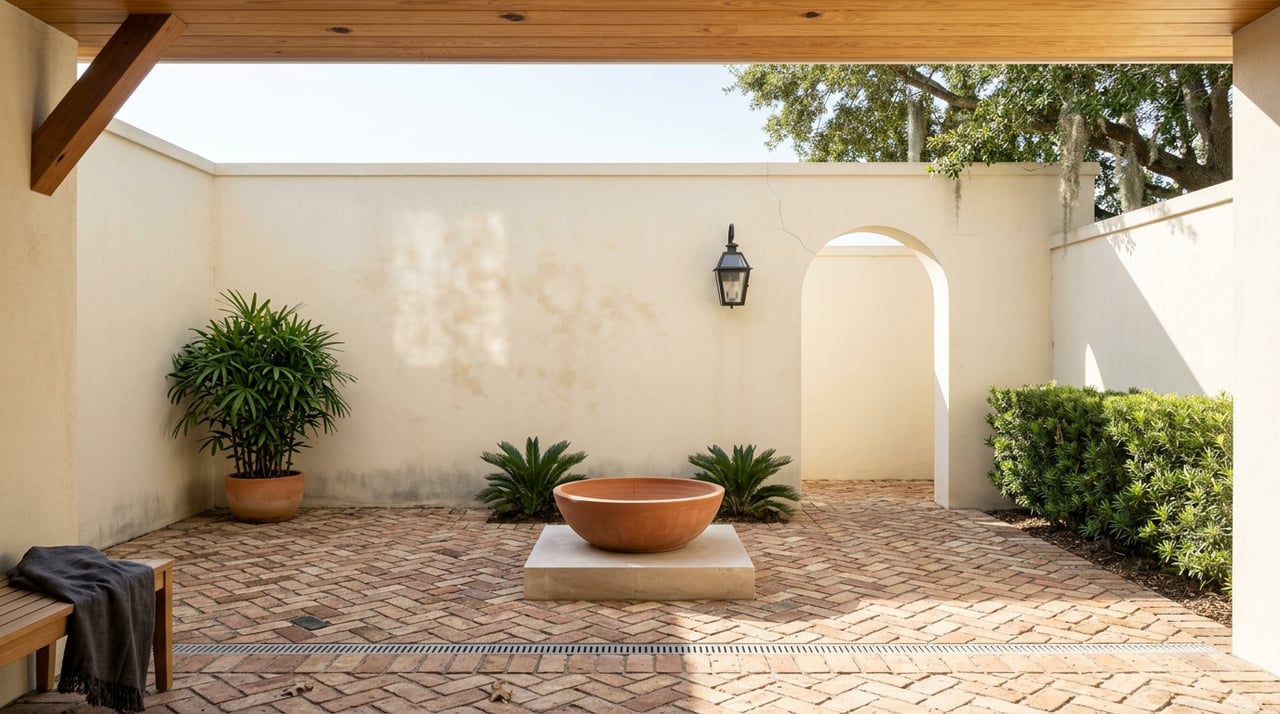
Read it alongside Term 12, which says infrastructure on the project "will be privately owned and maintained by property owner." The city would sell the land, and Stanbery would build and maintain the gathering space. The city's use is capped at 10 days a year, requested at least 45 days ahead, and never more than two days in a row.
Ten days at most covers a tree lighting and a few other city events. Anything weekly needs a different arrangement, and the next term shows how loosely that is handled.
What the deal only asks for
Term 17 reads: "The Developer will consider provision of space to host other non-city events, such as weekly Saturday Market, athletic events, etc."
"Will consider" is the weakest wording among the 31 terms. A weekly market is the sort of routine that would make a plaza feel like a town square instead of an apartment amenity, and the developer is asked to consider it, not required to host it. In 2022, about 125 people at the city's visioning workshop helped write the goal for this site: a "Shared Community Asset and gathering place relevant to all members of community." Under the current terms, whether that happens on an ordinary Saturday would be up to the property owner.
Parking works the same way. The plan once had structured parking. At the November 18, 2025 council meeting, Mayor Katie Gannon said, "The parking garage is no longer financially feasible at this point." The May 2026 plan counts 372 on-site spaces plus 185 off-site, for 557 total. Term 7 shows where much of the overflow goes: an "access agreement for overflow parking at the city-owned parking lot across the street." So the city would book the private plaza for its events, and the private project would lean on the public lot for its extra cars.
What the deal locks down
Where the terms are firm, they focus on what moves in and when. Council wrote these in response to years of public comment. Vice Mayor Steve Graber noted that residents spoke up heavily on these rules during the long planning process.
| Term | What it requires |
|---|---|
| Food tenants | At least 30% of initial tenants must be food retailers |
| Variety | No duplicate business types during initial lease-up; clothing, gift and home furnishing shops are exempt |
| Sequencing | No residential certificates of occupancy until commercial buildings and public spaces are complete |
| Noise | Outdoor live entertainment until 10 p.m.; background music until 11 p.m. |
| Banned uses | Hospitals, urgent care, primary care offices, theaters, banquet halls, pool halls, pawn shops and others |
| Public art | A sculpture worth no less than $50,000 |
| Deadline | $29,167 a month in liquidated damages if the project isn't complete within 60 months |
The sequencing rule carries the most weight. Because residents can't move in until the shops and public space are done, the developer has a strong reason to finish the retail first. The deadline penalty has a stated basis too. The $350,000 a year, prorated to $29,167 a month, is meant to replace the property taxes the city would lose to a late finish. When the terms were set, Gannon described the approach as "trust, but verify."
The terms also include design exceptions that change how the buildings meet the street. The town center code caps front setbacks at 10 feet. The proposal would let Building 3 sit up to 90 feet back from State Street and Building 4 up to 50 feet back from Washington Avenue. Building 1 would get 15 feet and a 6-foot sidewalk along both frontages. Those numbers will decide whether State Street feels lined with storefronts or set back behind parking, so they're worth watching at the hearings.
The size of the commercial space is reported two different ways. News reports through the summer described more than 21,000 square feet of ground-floor retail. The May 2026 site plan in the city's June 16 agenda packet lists 19,650 square feet of commercial space. The final agreement should settle which figure holds.
Why City Hall drops out of downtown
The plaza clause matters because City Hall itself is expected to leave the site. At the November 2025 meeting, City Manager Felicia Donnelly said the building is functionally obsolete. It leaks, falls short of floodplain requirements and would be very expensive to repair. The plan is to relocate City Hall services, possibly combined with a storm-hardened Emergency Operations Center at the Municipal Services Center on Commerce Street.
The terms don't say what happens to the building. They make the developer responsible for "all site work, including but not limited to, the demolition or relocation of existing structures." One speaker at that meeting put the worry directly, saying it won't seem like a downtown without City Hall in it.
That gives the 10-day clause its weight. When City Hall stood on the site, its events happened on public ground by default. After the land is sold and City Hall moves to Commerce Street, the city's presence downtown would be the days written into the contract, plus the State Street and Washington Avenue right-of-way the developer has agreed to landscape and light.
How residents have weighed in
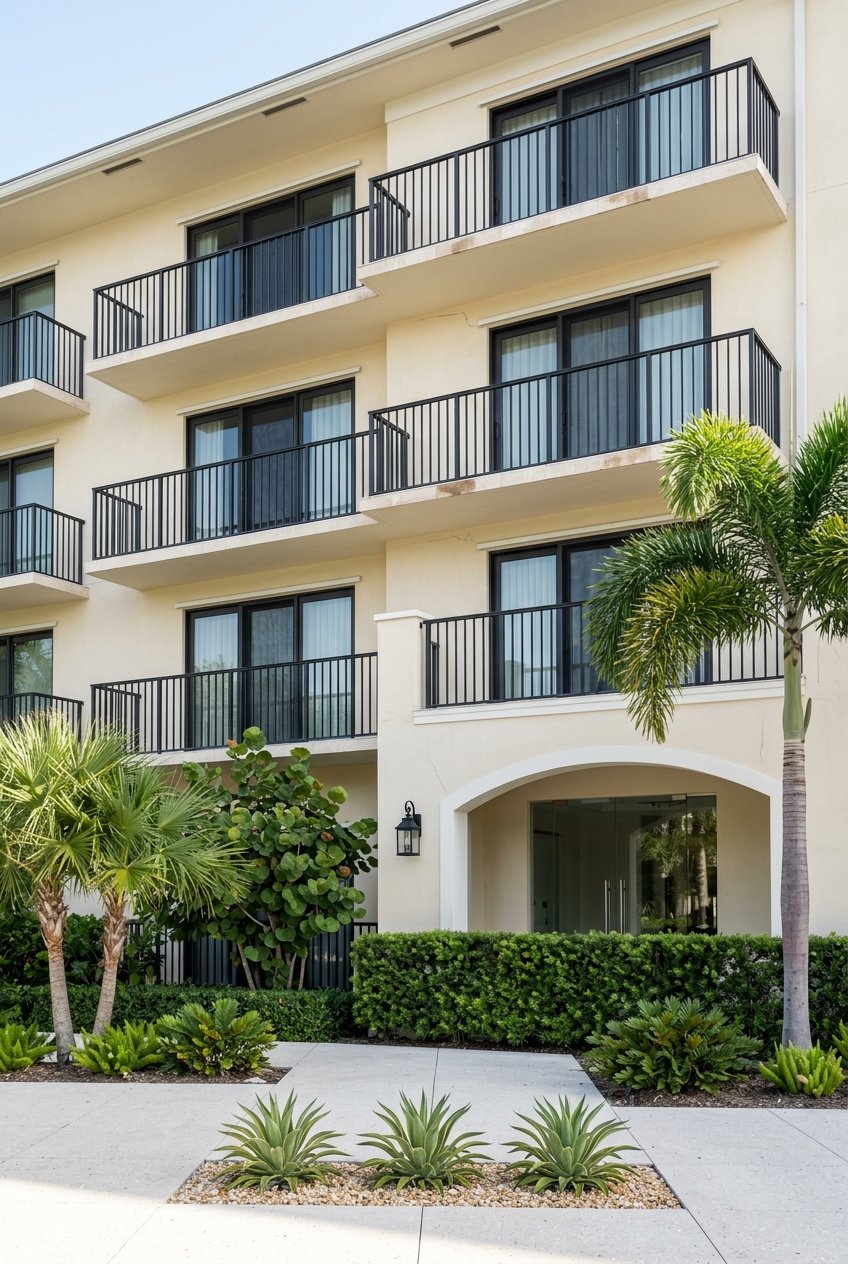
The deal has had a long and uneven run. Over the last thirty years the city put together just over eight acres beside City Hall. A 2023 request for proposals drew no bids. A 2024 round drew two, and Council voted 3-2 to negotiate with Stanbery. Council rejected a revised plan in September 2025, approved another 4-1 that November, and approved the May 5, 2026 version unanimously. The November 2025 plan cut the apartments to four stories from five. On the May 2026 elevation, Building 1 measures 56 feet 6 inches overall.
In July 2026, three open houses at Gull Aire Village Clubhouse, Cypress Forest Recreation Center and State Street Center drew 87 people, and 64 turned in comment cards. Of those, 56% were strongly supportive, 19% somewhat supportive, 9% neutral, 2% somewhat opposed and 14% strongly opposed. Commissioner Sean Swauger said support ran especially strong among residents living closest to the site.
A resident, told Bay News 9 that the open land has been a familiar walking spot. He supports developing it but hopes for more of a draw: "Having an attraction is what I feel really Oldsmar needs." The terms as written can't guarantee an attraction. They can set a share of food tenants, bar duplicate shops and set music curfews. A weekly reason to show up is still under "will consider."
A few blocks away, Odeon Square on the library site shows the next stage. Its 82 homes, including 18 live-work units, have been under construction since July 2025, and the city described work as "in full swing" in March 2026.
The dates ahead
The city's October 2026 update lays out the remaining steps before any land transfer or construction permits:
- Wednesday, October 14, 6:30 p.m. Planning Board public hearing on the development agreement, Council Chamber, 101 State St. W.
- October 20, tentative. First City Council public hearing.
- November 3, tentative. Second City Council public hearing.
- Monday, November 30, 7 p.m. Tree Lighting Ceremony at City Hall.
The essential terms aren't the final contract. On July 21, Council directed the city attorney to turn them into a formal agreement, and that document is what the hearings will review. At signing, Stanbery would pay a nonrefundable $200,000 deposit, with $100,000 already held in escrow applied toward it. If you want the Saturday Market clause, the plaza day limit or the State Street setbacks written differently, the October 14 hearing is the next public chance to say so.
If you'd like to talk through how the town center could change the blocks around State Street and Washington Avenue, from the walk to the new plaza to what follows when City Hall moves to Commerce Street, reach out to Jenny Sells The Block Tampa. We follow these hearings closely, and we're happy to share what we learn. Let's chat.
This article is general information, not legal, tax or financial advice. Consult a qualified professional about your situation.