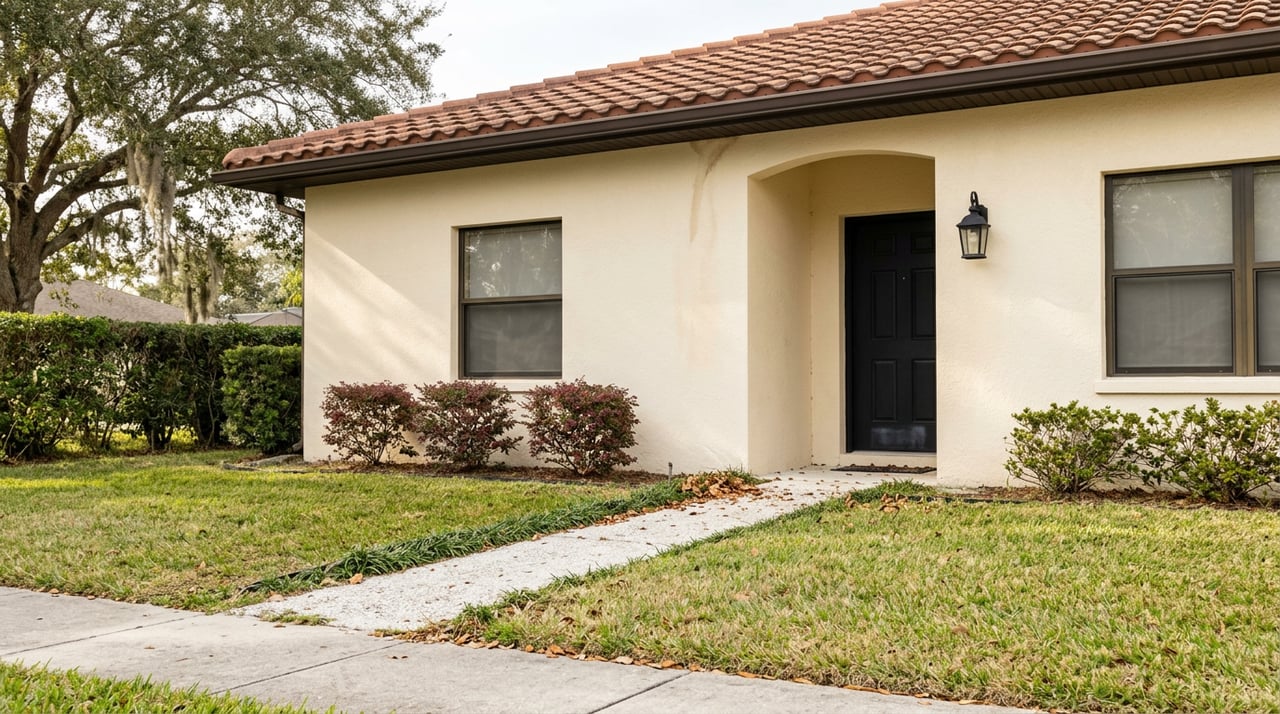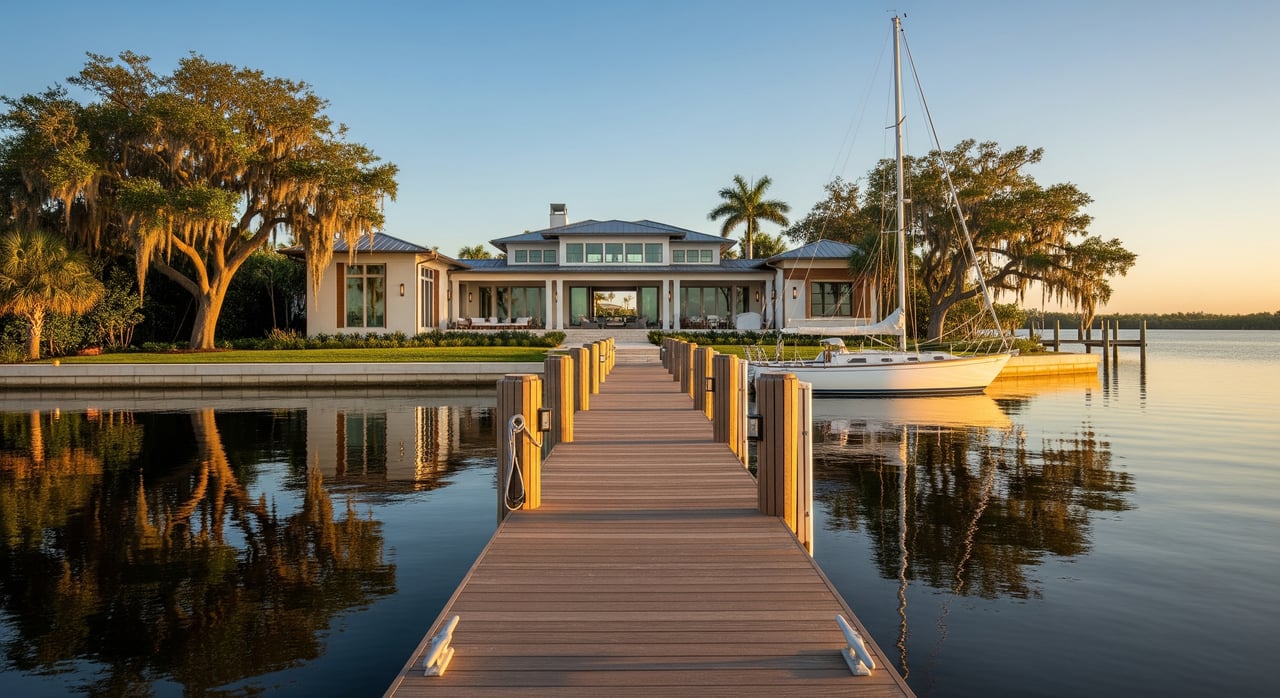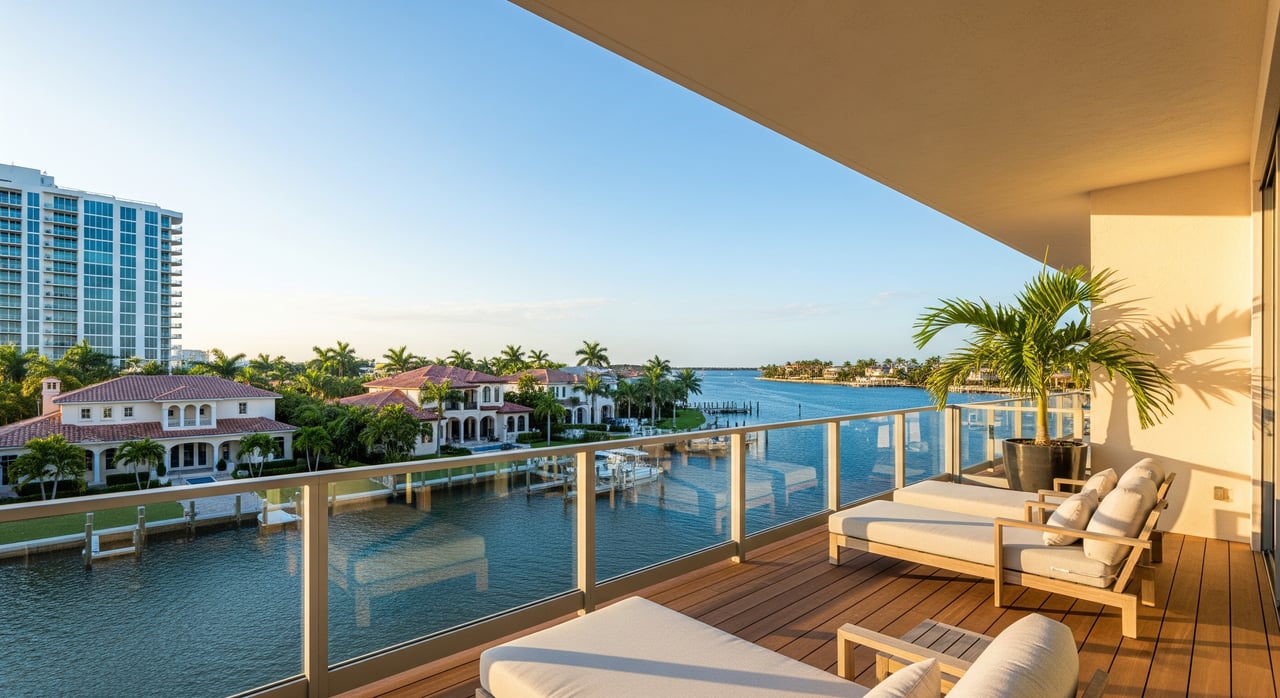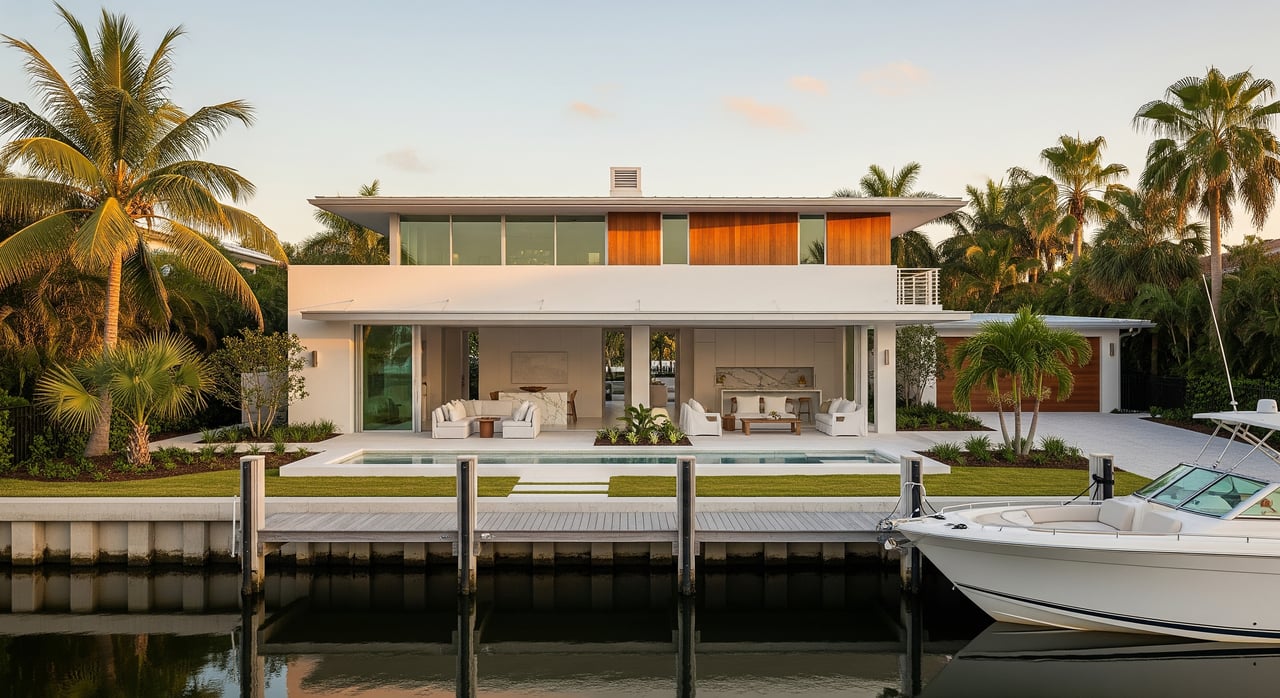
What happens when two condo buildings, built three years apart, sitting on the same stretch of Dunedin water, list a unit for nearly the same price in the same month, and turn out to carry completely different risk once you actually ask for the paperwork?
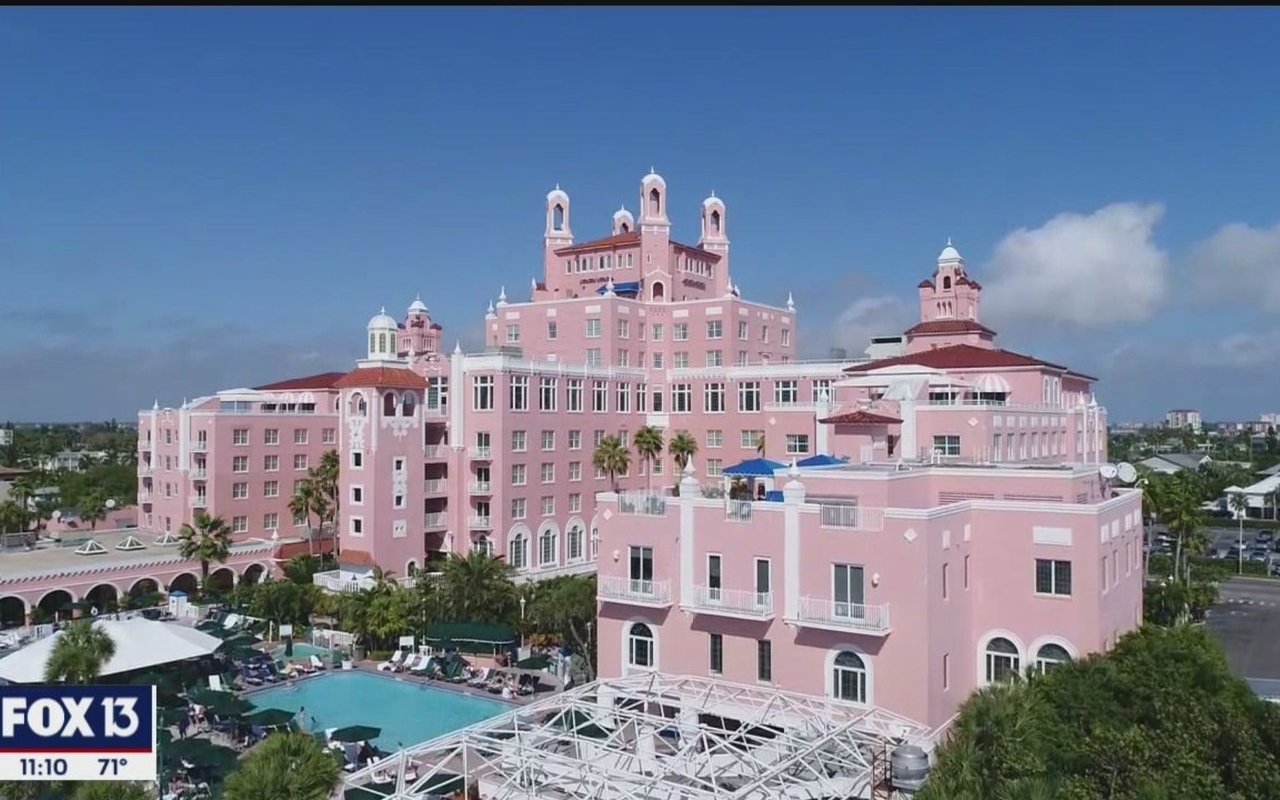
That's the situation right now with Edgewater Arms on Alt-19 by the Dunedin Marina and Island Towers East and West out on the causeway toward Honeymoon Island. Both went up in the 1970s. Both sit on Gulf-facing water. Both show up in the same searches when someone types "Dunedin waterfront condo." A buyer comparing them on price per square foot alone is comparing the wrong thing entirely. Since 2022, Florida has required buildings like these to prove, on a fixed legal clock, that they're structurally sound and financially ready to stay that way. Two buildings from the same decade can pass that test in very different shapes, and the shape they're in matters more to what you'll actually own than the view does.
The law that put a hard date on buildings this old
Florida's milestone inspection requirement exists because of the Champlain Towers South collapse in Surfside on June 24, 2021, which killed 98 people. In response, the legislature passed SB 4-D, now codified as Florida Statute 553.899, requiring any condominium or cooperative building three or more habitable stories tall to undergo a structural inspection once it reaches 30 years of age, and every 10 years after that. Coastal jurisdictions can set that first threshold at 25 years instead of 30 where local officials determine conditions call for it.
Here's the detail that gets lost when people talk about this law in the abstract: it didn't exist before 2022. So for a building like Edgewater Arms, finished in 1970, or Island Towers, built starting in 1973, the milestone inspection due by December 31, 2024 wasn't a routine check-in. It was the first legally mandated structural evaluation either building had ever undergone. More than fifty years of Gulf humidity, salt air, and hurricane seasons got measured against a state safety standard for the first time only two years ago.
As of January 1, 2026, Florida condo associations in buildings three stories or taller can no longer vote to waive reserve funding for structural components. Decades of deferred saving came due, all at once, on a fixed statutory schedule.
The second document that actually moves the needle
The milestone inspection tells you whether the building is structurally sound today. It says nothing about whether the association has the money to keep it that way. That's the job of the Structural Integrity Reserve Study, or SIRS, a separate requirement covering eight components: roof, load-bearing structure, fire protection, plumbing, electrical, waterproofing, windows and exterior doors, and any additional item over a dollar threshold that Florida's regulators adjust each year (set at $25,675 for 2026) if its failure would affect one of those systems.
The statewide SIRS deadline of December 31, 2025 has already passed. As of this year, associations can't vote to underfund or skip those reserves the way boards did for decades to keep monthly dues low. There's one narrow exception worth knowing: a board that completed a milestone inspection within the past two years can vote to pause SIRS contributions for up to two annual budgets, redirecting that money toward repairs the inspection actually found. So a building that looks "fully funded" this year could look different in eighteen months if it used that pause to cover something the Phase 1 report flagged.
What that looks like at Edgewater Arms versus Island Towers
Put the two buildings side by side and the paperwork tells a different story than the price sheet does.
| Building | Built | Stories / Units | Typical monthly fee | What's on record this year |
|---|---|---|---|---|
| Edgewater Arms | 1970 | 8 / 209 | around $1,293 | Milestone inspection complete; reserves reported fully funded; no special assessment currently in place |
| Island Towers East & West | 1973, with the second tower completed by the end of that decade | 8 / 92 | $710 to $794 | Storm restoration tied to Hurricane Helene's 2024 surge was still being finished under the association's insurance policy, according to a recent listing for the building |
Don't read that fee gap as one building being cheaper to own. Edgewater Arms bundles property taxes on common areas, full property insurance, water, electric, sewer, trash, pest control, and cable and internet into its number. Island Towers' lower range likely reflects a narrower bundle. The monthly figure tells you what's included, not what's coming. The flag in the last column is the part worth sitting with. One building closed out its first legal structural check with a clean bill and reserves the association says are funded. The other was still finishing storm repairs from a named hurricane as of a recent listing, paid through an insurance claim rather than a special assessment so far, which is a different kind of exposure than an underfunded SIRS but exposure all the same if that storm pattern repeats.
Why your financing depends on paperwork you'll never see in photos
None of this is only a homeowner's problem. Nationally, the number of condo buildings that landed on Fannie Mae's unwarrantable list, meaning conventional mortgage financing isn't available for units inside them, grew from a few hundred before 2021 to roughly 5,000 by 2025. A building that hasn't completed its milestone inspection, or that shows serious deferred maintenance in its SIRS, risks landing on that list regardless of how well the unit itself has been renovated. That changes your loan options and usually your rate, and it can happen after you've already fallen for a specific unit.
Insurance carriers are watching the same documents. A SIRS that shows underfunded reserves is increasingly a reason for non-renewal at the building level, which means the HOA fee quoted to you today isn't necessarily the fee you'll be paying at your first renewal.
What Pinellas County's portal can and can't tell you
Pinellas County runs its own milestone inspection registration portal, built under local ordinance No. 24-18, and has accepted inspection reports for unincorporated areas and participating municipalities since June 2024. It's a genuinely useful first stop. An association's filing status there will tell you whether a report has been submitted to the local building department.
What it won't tell you is whether the reserve account behind that report can actually pay for what the engineer found. That gap between "filed" and "funded" is exactly what a buyer has to close on their own, and it's why the county portal is a starting point rather than a due diligence checklist by itself.
What to actually put in writing before you go under contract
- The milestone inspection report itself, Phase 1 and Phase 2 if a Phase 2 was triggered
- The current SIRS, including the funding schedule, not just a summary
- The association's most recently approved budget
- Board meeting minutes from the past twelve months, where a pending assessment often shows up in discussion before it's formally voted
- A written answer from the association on any special assessment approved, proposed, or under discussion in the last year
Florida law gives buyers a statutory window, seven days, to review a condo association's financial and inspection records before being bound to the purchase contract. Use that window. Don't waive it to make an offer look more competitive, especially on a building built before 1980.
The takeaway for two buildings a half mile apart
Same decade, same water, same hurricane exposure. Different paperwork. A building's age tells you a milestone inspection is legally required. It doesn't tell you what that building will look like as an owner five years out. Only the documents do, and in 2026, asking for them isn't optional due diligence anymore. It's the whole ballgame.
A few questions worth asking before you write an offer
Does a completed milestone inspection mean the building's finances are fine? No. The inspection is a structural safety check. The SIRS and the reserve funding behind it are what tell you whether the association can pay for what the inspection found, now or later.
What if the seller or association won't produce the SIRS? That's what the seven-day statutory review period is for. If the documents don't arrive in time to review properly, that delay is information on its own.
Does any of this apply if I'm looking at a single-family home on Dunedin's waterfront instead? No. Milestone inspections and SIRS requirements apply to condominium and cooperative buildings three or more habitable stories tall. Single-family homes, duplexes, and triplexes of three or fewer habitable stories are exempt.
If you're comparing waterfront condos in Dunedin, or trying to figure out what a specific building's inspection and reserve documents actually mean for your offer, Jenny Sells The Block Tampa can help you pull the right paperwork before you fall in love with a view. Let's talk, so you can find a home or sell yours with real confidence in what you're buying or leaving behind.